
The concept of halal meat is deeply rooted in Islamic dietary laws, which are designed to ensure that food consumed by Muslims meets specific ethical and health standards. The term “halal” itself means “permissible” in Arabic and encompasses a wide range of practices, including how animals are raised, slaughtered, and processed. Halal meat must come from an animal that is healthy at the time of slaughter and be killed by a Muslim who recites a prayer, dedicating the animal’s life to God. The animal’s blood must be fully drained from its veins. This method is believed to be not only more humane but also healthier, as it reduces the risk of contamination from blood-borne pathogens. Understanding these principles is essential for grasping why certain meats, including mackerel, are considered halal or not. Click to get more information about halal vs haram topics discussed in today’s world.
What Makes Meat Halal?
For meat to be considered halal, it must adhere to specific criteria outlined in Islamic dietary laws. Firstly, the animal must be healthy and alive at the time of slaughter. The slaughtering process must be performed by a sane adult Muslim who invokes the name of God by saying “Bismillah” (In the name of Allah) before cutting. The animal’s throat, windpipe, and blood vessels in the neck must be severed with a single, swift cut using a sharp knife to ensure a quick and humane death. Significantly, all the blood must be drained from the animal’s body, as blood consumption is prohibited in Islam.
Additionally, the animal should not see the blade or other animals being slaughtered to minimize stress. The knife used must be extremely sharp to facilitate a quick, clean cut, reducing the animal’s suffering. Furthermore, the slaughter process must occur in a clean environment to prevent contamination, ensuring the meat is hygienic and safe for consumption. The diet of the animal is also considered; it must have been fed permissible (halal) food and not exposed to any haram (forbidden) substances.
These rigorous standards ensure that halal meat is not only permissible by religious standards but also often considered to be of higher ethical and hygienic quality.
Is Mackerel Meat Halal?
Mackerel, a type of fish, is considered halal in Islam. According to Islamic dietary laws, all types of fish are permissible (halal) for Muslims’ consumption. This classification stems from the Quran and Hadith, which distinguish between sea creatures and land animals regarding dietary restrictions. Fish like mackerel do not require the specific slaughtering rituals that land animals do.
The primary requirement is that the fish be alive at the time of capture and die out of water. This makes mackerel and other fish inherently halal, as long as they are not contaminated with haram (forbidden) substances during processing or handling. Furthermore, mackerel must come from clean waters and should be free from toxins and pollutants to maintain its halal status.
Overall, as long as the mackerel is sourced and handled according to these principles, it is halal and permissible for Muslims to eat, providing a nutritious and lawful option in their diet.
The Halal Status of Different Types of Mackerel
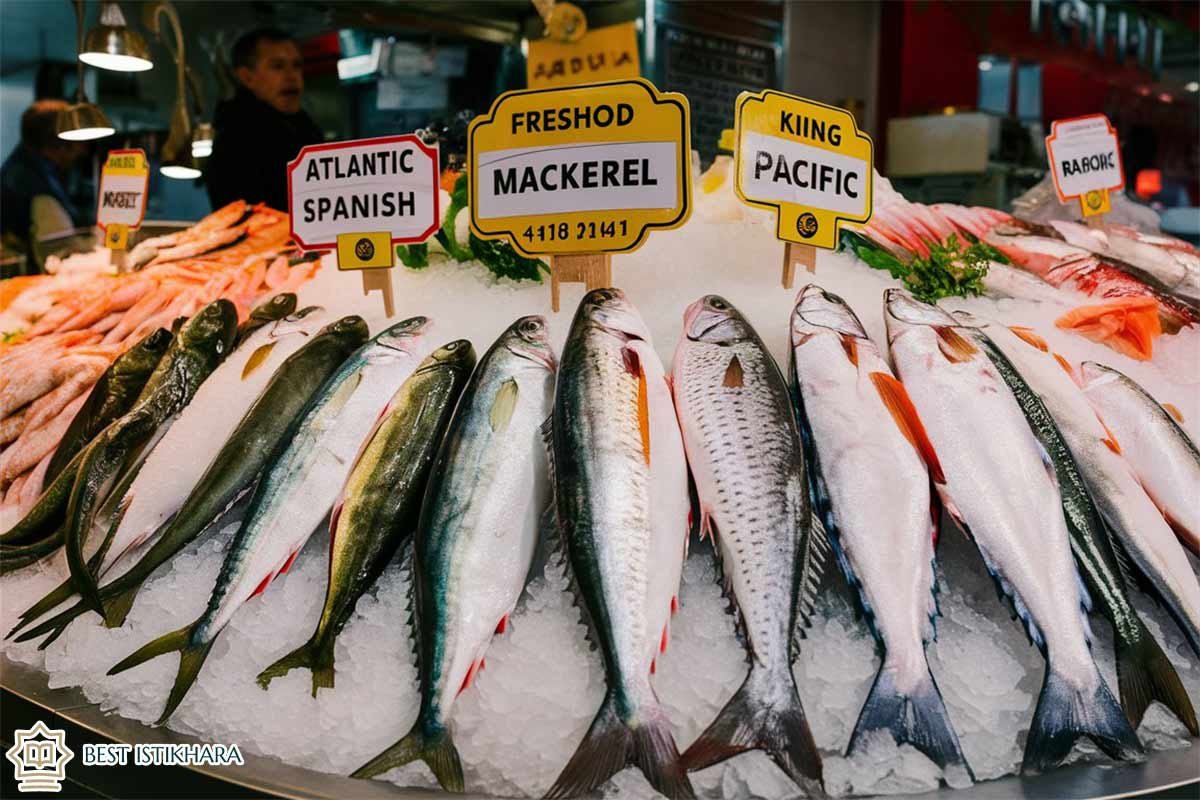
Different types of mackerel, including Atlantic mackerel, Spanish mackerel, and King mackerel, are all considered halal under Islamic dietary laws. As per Islamic jurisprudence, all fish with scales are deemed halal, and since mackerel falls into this category, it is permissible for Muslim consumption.
Atlantic Mackerel
Atlantic mackerel (Scomber scombrus) is commonly found in the Atlantic Ocean and is widely consumed. This type of mackerel is considered halal, provided it is caught alive and dies naturally out of water.
Spanish Mackerel
Spanish mackerel (Scomberomorus maculatus) is another popular species, especially in warmer waters. Like Atlantic mackerel, it is halal as long as it is captured alive and handled according to halal principles.
King Mackerel
King mackerel (Scomberomorus cavalla) is known for its larger size and is a staple in many cuisines. It shares the same halal status as other mackerel types, being permissible if caught alive.
Pacific Mackerel
Pacific mackerel (Scomber japonicus) is found in the Pacific Ocean and is also halal. It adheres to the same requirements for being alive at the time of capture and proper handling post-capture.
To maintain their halal status, all types of mackerel must be free from contamination by haram substances during processing and handling. Ensuring that the fish come from clean, toxin-free waters is also crucial. This adherence to Islamic guidelines ensures that all types of mackerel can be enjoyed by those following a halal diet.
Comparing Halal and Non-Halal Meat: Key Differences
- Slaughtering Process: One of the most significant differences between halal and non-halal meat is the method of slaughter. Halal meat is obtained by following specific Islamic guidelines that include reciting a prayer before slaughtering and ensuring that the animal’s blood is completely drained. The knife must be extremely sharp to minimize the animal’s suffering. In contrast, non-halal meat can be slaughtered without these religious rituals and blood drainage requirements.
- Animal Welfare: Halal practices emphasize the humane treatment of animals both before and during slaughter. The animal must be healthy and treated well throughout its life, and it must not witness the slaughter of other animals to reduce stress. Non-halal practices may not adhere to these standards, and the conditions of the animals’ living environments and the methods of slaughter can vary widely.
- Dietary Restrictions: In halal meat production, the animal must be fed a vegetarian diet free from any animal by-products and must not consume any haram (forbidden) substances. Non-halal meat does not necessarily follow these dietary restrictions, and animals may be fed a variety of feeds, including those containing animal by-products.
- Certification and Compliance: Halal meat undergoes a certification process to ensure compliance with Islamic laws. This involves regular inspections and adherence to strict guidelines. Non-halal beef does not require such certification, and its production is regulated by general food safety and quality standards, which vary by region.
- Health and Hygiene: Halal slaughtering practices involve draining the blood entirely from the animal, which is believed to reduce the risk of consuming harmful bacteria and toxins found in the blood. This method results in cleaner and potentially healthier meat. Non-halal meat, on the other hand, may retain some blood, which can contain bacteria and other contaminants.
These differences highlight the unique aspects of halal meat production that align with Islamic ethical, dietary, and health standards, distinguishing it from non-halal meat in several key areas.
FAQ
- Is all seafood considered halal?
- Yes, in general, all seafood is considered halal in Islam. This includes fish and shellfish. The primary condition is that the seafood must be alive when caught and must die out of water. This broad permissibility is based on the Quran and Hadith, which do not impose the same restrictions on seafood as on land animals.
- Are there any exceptions to seafood being halal?
- While most seafood is halal, some Islamic scholars debate the permissibility of certain sea creatures, such as frogs, crocodiles, and amphibious animals. Additionally, seafood that is contaminated with haram substances or processed with non-halal ingredients can be considered haram.
- Do different schools of thought in Islam have varying rulings on seafood?
- Yes, there are slight differences among the primary Islamic schools of thought. For instance, the Hanafi school is more restrictive, allowing only fish with scales, while the Shafi’i, Maliki, and Hanbali schools permit most sea creatures, including shellfish and crustaceans.
- Does seafood need to be slaughtered in a specific way to be halal?
- No, seafood does not require a specific method of slaughter like land animals. The requirement is that the seafood must be alive at the time of capture and should die out of water naturally. There are no prayers or specific cuts required for seafood.
- How can I ensure the seafood I buy is halal?
- To ensure the seafood you buy is halal, check if it comes from a reputable source that adheres to Islamic dietary laws. Look for halal certification labels and ensure that the seafood has not been processed with non-halal ingredients. Purchasing fresh seafood and preparing it at home can also help maintain its halal status.
- Is farm-raised seafood halal?
- Farm-raised seafood is generally considered halal as long as it meets the basic Islamic guidelines. The seafood must be alive when harvested and should be raised in clean, toxin-free environments. Ensuring that the feed given to farm-raised seafood is free from haram substances is also essential.
- Can halal seafood be contaminated during processing?
- Yes, halal seafood can become haram if it is contaminated with non-halal substances during processing or packaging. This can include contact with pork products, alcohol, or non-halal equipment. It is crucial to ensure that the entire supply chain maintains halal standards.
- Is sushi halal?
- Sushi can be halal if it contains ingredients that comply with Islamic dietary laws. This means the fish must be halal (typically raw fish like salmon or tuna), and there should be no haram ingredients such as mirin (a type of rice wine) or non-halal soy sauce. Halal-certified sushi restaurants are becoming more common, making it easier to find compliant options.
Conclusion
In conclusion, the halal status of mackerel and other seafood is generally straightforward under Islamic dietary laws, which consider all fish and most seafood to be permissible. Mackerel, whether Atlantic, Spanish, King, or Pacific, meets the halal criteria, provided it is caught alive and handled in a clean, uncontaminated environment. The differences between halal and non-halal meat are significant, encompassing the methods of slaughter, animal welfare standards, dietary restrictions, and hygiene practices. These distinctions ensure that halal meat is ethically sourced, hygienically processed, and aligned with Islamic principles. Understanding these aspects helps consumers make informed choices that align with their religious and ethical values.