The question of whether antelope meat is halal, or permissible under Islamic dietary laws, is a topic of interest for many Muslims who seek to adhere to religious guidelines in their diet. Islamic dietary laws, derived from the Quran and Hadith, specify which foods are lawful (halal) and which are forbidden (haram). While many Muslims are familiar with the rules surrounding commonly consumed meats like chicken, beef, and lamb, the status of more exotic meats, such as antelope, may not be as clear. This article aims to explore the criteria that determine the halal status of antelope meat, examining religious texts, scholarly interpretations, and the necessary conditions for slaughter to provide a comprehensive understanding of this issue. Click to get more information about halal vs haram topics discussed in today’s world.
Is Antelope Meat Permissible in Islam?
In Islam, the permissibility of consuming meat is governed by specific dietary laws known as halal. For antelope meat to be considered halal, several conditions must be met. Firstly, the antelope must be a lawful animal according to Islamic principles, meaning it is not carnivorous or harmful. Antelope is generally considered lawful as it is a herbivorous animal.
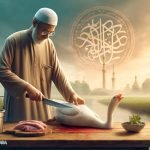
Secondly, the method of slaughter is crucial. The animal must be slaughtered by a Muslim who invokes the name of Allah at the time of slaughter. The cut should sever the throat, windpipe, and blood vessels in the neck without cutting the spinal cord, ensuring that the animal’s blood is drained from its body.
Additionally, the antelope must be healthy at the time of slaughter, and the tools used should be sharp to minimize the animal’s suffering. Consuming antelope meat from a non-halal source or improperly slaughtered is considered haram, or forbidden. Therefore, ensuring that these conditions are met is essential for antelope meat to be permissible in Islam.
Can Muslims Eat Antelope Meat?
Muslims can eat antelope meat as long as it adheres to Islamic dietary laws. Firstly, the antelope must be a halal animal, meaning it is not predatory or harmful. Antelopes, being herbivores, are generally considered halal. The next important criterion is the method of slaughter. The animal must be slaughtered by a Muslim who recites the name of Allah during the process. The cut should sever the throat, windpipe, and blood vessels in the neck without cutting the spinal cord, ensuring the animal’s blood is drained thoroughly.
Additionally, the antelope should be healthy and free from any diseases at the time of slaughter. The slaughtering tools must be sharp to minimize the animal’s suffering, and the slaughter process should be swift and humane. Consuming antelope meat that does not meet these criteria is considered haram. Therefore, verifying that these conditions are met is essential for Muslims who wish to consume antelope meat in accordance with their religious beliefs.
Conclusion
In conclusion, antelope meat can be considered halal if it meets specific Islamic dietary laws. These laws require that the antelope be a lawful animal, properly slaughtered by a Muslim who invokes the name of Allah, and free from any disease at the time of slaughter. The slaughtering process must be humane, ensuring the animal’s blood is thoroughly drained. By adhering to these guidelines, Muslims can ensure that antelope meat is permissible and aligns with their religious practices. As with any dietary concern, it is important to consult knowledgeable religious authorities or halal certification bodies to verify the compliance of the meat with halal standards.