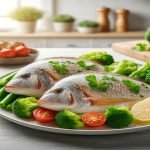
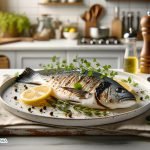
In Islam, dietary laws known as Halal dictate what is permissible for Muslims to consume. These guidelines often raise questions about various foods, including seafood. One such question is whether smelt fish meat is always halal. Smelt fish, known for their delicate flavor, are enjoyed in many cuisines, but their permissibility under Islamic law requires careful consideration. This article explores whether smelt fish meat is always halal, examining Islamic teachings and scholarly opinions to help Muslims make informed dietary choices. Click to get more information about halal vs haram topics discussed in today’s world.
Is Eating Smelt Fish Halal? Insights from Islamic Scholars
Determining whether eating smelt fish is halal involves understanding Islamic dietary laws and consulting scholarly interpretations. In general, seafood is considered halal in Islam, based on the Quranic verse stating that all seafood is permissible. However, some scholars have nuanced views. The Hanafi school of thought, for instance, differentiates between fish and other sea creatures, typically only permitting fish. Smelt fish, being a small, freshwater fish, generally falls under the category of permissible seafood across most Islamic jurisprudence schools, including Hanafi. Scholars emphasize the importance of proper handling and ensuring the fish is not contaminated with haram substances during preparation. To maintain halal standards, Muslims should verify that the smelt fish is sourced and processed in a halal-compliant manner. Consulting local Islamic authorities can provide additional assurance. This approach aligns with the broader principles of halal, ensuring both dietary compliance and spiritual integrity for Muslim consumers.
Everything You Need to Know About Smelt Fish and Halal
Smelt fish, known for their small size and delicate taste, are popular in various cuisines. When it comes to halal dietary laws, understanding whether smelt fish is permissible is crucial for Muslim consumers. Generally, all fish are considered halal, and smelt fish are no exception. They belong to a group of small fish found in freshwater and coastal areas, often consumed whole due to their size.
Key considerations for ensuring smelt fish are halal include their sourcing and preparation. The fish must be free from contamination with haram (forbidden) substances during catching, processing, and cooking. This includes avoiding cross-contamination with non-halal items. Additionally, some Islamic scholars emphasize the method of killing the fish, though this is less stringent for fish compared to other animals.
For absolute certainty, it’s recommended to purchase smelt fish from suppliers who adhere to halal standards and to consult local Islamic authorities if there are any doubts. This ensures compliance with religious guidelines while enjoying this nutritious and flavorful fish.
Conclusion
In conclusion, smelt fish meat is generally considered halal, aligning with the dietary guidelines of most Islamic scholars. This small, silvery fish, often consumed whole, meets the criteria for halal seafood due to its nature as a fish with scales. However, it is essential to ensure that the smelt is sourced and prepared in accordance with Islamic dietary laws to avoid any potential cross-contamination with non-halal substances. As with all dietary inquiries, consulting with knowledgeable religious authorities can provide additional peace of mind. Enjoying smelt fish as part of a halal diet can be both delicious and spiritually fulfilling, provided that due diligence is observed in its preparation and consumption.