
Animal Dream Interpretation in Islam
Have you ever dreamed of being chased by a wild animal, seeing a snake or lion, encountering a friendly animal, or caring for an injured creature? These dreams may carry symbolic meanings related to your emotions, relationships, responsibilities, fears, or personal circumstances.
If you’ve experienced a similar dream and want to explore its possible meaning, send us a message on WhatsApp at +90 539 374 42 39. Share the details of your dream, including the animal’s behavior and how you felt, and our Sheikh will help you explore its possible interpretation based on Islamic principles and traditional dream interpretation.
explore dreams about animals
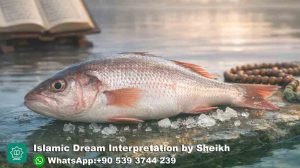
Seeing Raw Fish in Dream Islam

Seeing Silver Fish in Dream Islam

Big Lizard Islamic Dream Interpretation
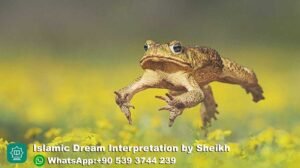
Dreaming of Toad in Islam
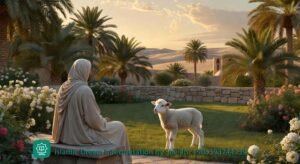
Dreaming of Lamb in Islam
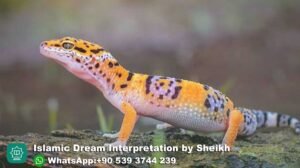
Dreaming of Gecko in Islam
Dreaming of Tortoise in Islam
Dreaming of Dragonfly in Islam
Dreaming of Ladybug in Islam

Dreaming of Millipede in Islam
Dreaming of Zebra in Islam
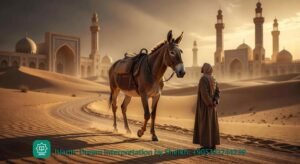
Dreaming of Mule in Islam
Animals are among the most common and meaningful symbols encountered in dreams. In traditional Islamic dream interpretation, seeing an animal may be associated with different aspects of life, including personal relationships, responsibilities, emotions, and challenges. However, the meaning of an animal dream depends on several factors, including the type of animal, its behavior, the surrounding environment, and the dreamer’s personal circumstances.
At Best Istikhara, we explore animal dream interpretation through the teachings of the Quran, authentic Hadith, and the writings of traditional Muslim dream interpreters. While Islamic history contains numerous symbolic interpretations of animals, it is important to distinguish established religious teachings from historical interpretations and personal associations. Not every animal appearing in a dream carries a spiritual message or predicts a future event.
If you would like a more personalized interpretation based on the details of your dream, you can message us on WhatsApp at +90 539 374 42 39 and share the full context of what you saw. Our Sheikh can review the dream with you and offer guidance while keeping the interpretation within appropriate Islamic limits.
Significance of Animals in Islamic Dreams
In traditional Islamic dream interpretation, animals can represent qualities associated with their nature and behavior. Strength, aggression, loyalty, vulnerability, freedom, and dependence are among the characteristics that historically influenced interpretations.
The Quran provides an important example in Surah Yusuf , where the King of Egypt dreams of seven fat cows being eaten by seven lean cows, along with green and dry ears of grain.
Prophet Yusuf (peace be upon him) interprets the dream as representing seven years of agricultural abundance followed by seven years of hardship. This account demonstrates that animals may carry symbolic significance within a meaningful dream.
However, Prophet Yusuf’s knowledge of interpretation was granted by Allah. His experience does not establish that every animal has a fixed meaning or that ordinary interpreters can predict events with certainty.
What Does the Quran and Hadith Teach About Animal Dreams?

The Quran does not provide a universal dictionary of animal dream meanings. Instead, it presents particular dreams and their interpretations within specific circumstances.
Authentic Hadith offers broader guidance about the nature of dreams. According to Sahih Muslim, dreams fall into three categories:
- Good dreams from Allah: Dreams that may bring glad tidings, encouragement, or reassurance.
- Disturbing dreams from Satan: Frightening dreams intended to cause distress.
- Dreams arising from personal thoughts: Dreams influenced by everyday experiences, memories, and concerns.
This distinction is essential because seeing an animal does not automatically indicate a hidden message. A person who frequently encounters animals, works with them, or recently experienced a frightening incident may dream about similar situations.
Therefore, understanding the possible origin of a dream is as important as examining the animal itself.
Common Animal Symbols in Traditional Islamic Dream Interpretation
Throughout Islamic history, dream interpreters associated certain animals with recognizable qualities. These associations were influenced by the animal’s physical characteristics, behavior, usefulness, and place in society.
The following examples illustrate general traditional symbolism rather than guaranteed interpretations.
Animal category | Possible traditional associations |
Wild animals | Strength, authority, danger, or confrontation |
Domestic animals | Livelihood, responsibilities, familiarity, or companionship |
Birds | Freedom, movement, aspirations, or travel |
Reptiles | Caution, hostility, or perceived threats |
Farm animals | Sustenance, productivity, or material resources |
Young animals | Vulnerability, care, or new responsibilities |
Injured animals | Weakness, concern, or the need for protection |
These associations should always be considered within the complete context of the dream.
For instance, encountering a wild animal peacefully differs significantly from being attacked by one. Similarly, an animal that the dreamer personally loves may create a different emotional experience from an animal they fear.
Traditional symbolism can provide a starting point for reflection, but it should never replace reliable evidence when making judgments about real-life circumstances.
How Animal Behavior Affects Dream Interpretation
An animal’s actions are often more relevant to understanding a dream than its identity alone. Traditional interpreters examined movement, aggression, obedience, and interaction with the dreamer when considering possible symbolic meanings.
Attacking, Chasing, or Escaping Animals
Dreams involving aggressive animals may create feelings of danger, vulnerability, or confrontation.
In traditional symbolic readings, being attacked by an animal has sometimes been associated with conflict or opposition. Being chased may suggest a threatening situation, while escaping can create an impression of relief or safety.
However, these interpretations are not established predictions. An animal chasing someone in a dream does not prove that a hidden enemy exists or that a dangerous event is approaching.
Recent experiences, anxiety, or personal fears may also influence such dreams.
Calm, Friendly, or Injured Animals
Peaceful interactions with animals may produce feelings of security, companionship, or affection.
A friendly animal might remind the dreamer of trust or familiarity, while caring for an injured animal may evoke responsibility or compassion.
Such associations can be useful when reflecting on a dream, but they should not automatically be classified as divine messages.
The dreamer’s relationship with the animal matters. A person who enjoys caring for animals may experience the same dream very differently from someone who fears them.
Animal Appearance and Surroundings in Dreams
Traditional dream interpretation considers the complete visual setting rather than relying exclusively on the animal’s species.
Physical details and environmental circumstances may influence the possible symbolic associations of a dream.
Animal Colors, Sizes, and Physical Conditions
The appearance of an animal may shape how the dream is experienced.
- Colors: Black, white, and other colors have sometimes received symbolic interpretations, but Islam does not establish universal meanings for animal colors in dreams.
- Size: Unusually large animals may emphasize strength or importance, while smaller animals may evoke vulnerability.
- Age: Young animals may bring attention to care, dependence, or responsibility.
- Physical condition: An injured, weak, or sick animal may evoke concern or compassion.
These are contextual associations, not reliable predictions of personal misfortune, illness, or success.
A black animal, for example, should not automatically be regarded as an evil omen, just as a white animal does not necessarily guarantee a positive outcome.
Animals in Houses, Nature, or Captivity
The location of an animal may also contribute to the overall impression of a dream.
Animals appearing inside a house may draw attention to familiar surroundings or domestic responsibilities. Animals moving through forests or open landscapes may evoke freedom, unfamiliar circumstances, or perceived danger.
Similarly, an animal confined in a cage may suggest restriction as a personal symbolic association, while a herd or group of animals may bring to mind collective activity or community.
However, no universal Quranic rule assigns fixed meanings to these settings. Their possible significance depends on the complete dream and the individual’s experiences.
Scholar Views on Animal Dream Interpretation

- Muhammad ibn Sirin (died 110 AH): Ibn Sirin is widely recognized for his reputation in dream interpretation. Traditional books attributed to him include symbolic interpretations of animals and their characteristics. However, the authorship of popular dream interpretation compilations bearing his name is not securely established, and their contents should not automatically be attributed directly to him.
- Abd al-Ghani al-Nabulsi (died 1143 AH): Al-Nabulsi examined numerous dream symbols in his work Ta’tir al-Anam fi Ta’bir al-Manam. His approach reflects the importance of an animal’s characteristics and the circumstances surrounding its appearance. Meanings in this tradition may change according to context rather than following a single fixed interpretation.
- Khalil ibn Shahin al-Zahiri (died 873 AH): Ibn Shahin is known for Al-Isharat fi Ilm al-Ibarat, a historical work on dream interpretation. His treatment of symbolic imagery includes animals, their behavior, and the circumstances of their appearance, illustrating the importance of details within traditional interpretation.
- Ibn Qutaybah al-Dinawari (died 276 AH): Ibn Qutaybah is traditionally associated with discussions of dream interpretation and the role of language, analogy, and personal circumstances in understanding symbols. However, the attribution of specific interpretations and writings associated with him requires historical verification.
Although these scholars belong to different historical periods, their associated traditions demonstrate that dream interpretation was not generally approached as a simple process of assigning one meaning to every animal.
Their views should be understood as part of the history of Islamic interpretation rather than as guaranteed explanations of individual dreams.
Can Animal Dreams Predict the Future in Islam?
Islam acknowledges the possibility of meaningful dreams, but it does not establish that every dream predicts a future event. Some traditional interpretations associate animals with particular people, situations, or outcomes. However, these interpretations are not sufficient evidence that a specific event will occur.
Seeing a threatening animal does not prove that someone intends harm, and seeing a peaceful animal does not guarantee future success. Similarly, dreams should not be used as the sole basis for financial decisions, marriage choices, accusations against others, or other important matters. A careful approach recognizes the difference between reflecting on a possible symbolic meaning and claiming certain knowledge about future events.
Conclusion
Animal dream interpretation in Islam is a broad subject shaped by Quranic examples, authentic Hadith, and historical traditions of symbolic interpretation. An animal’s type, behavior, appearance, and surroundings may influence its possible meaning, but these details should always be considered alongside the dreamer’s personal experiences.
The most important principle is to distinguish established Islamic teachings from traditional interpretations and avoid treating animal dreams as certain predictions. By approaching dreams with balance and reliable knowledge, readers can explore their possible meanings without unnecessary fear or unsupported assumptions.