Determining whether certain foods are halal is an important aspect of dietary practices for Muslims around the world. One such food item that often raises questions is barramundi, a popular fish known for its mild flavor and versatility in cooking. In this article, we will explore whether barramundi meat is considered halal according to Islamic dietary laws. By delving into the principles of halal certification and examining the characteristics of barramundi, we aim to provide a clear and comprehensive answer for those seeking guidance on this topic. Click to get more information about halal vs haram topics discussed in today’s world.
Understanding Halal Status of Barramundi Fish
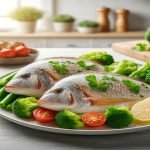
Determining the halal status of barramundi fish involves understanding Islamic dietary laws and the specific requirements for seafood. According to Islamic guidelines, all fish with scales are generally considered halal. Barramundi, a popular fish species native to Australia and Southeast Asia, has scales, which qualifies it as halal.
However, the method of slaughter and processing also plays a crucial role. For a fish to be entirely halal, it must be caught and handled in a manner that complies with Islamic principles of cleanliness and purity. This includes ensuring that the fish is alive at the time of capture and that it is processed in a sanitary environment free from contamination with haram (forbidden) substances.
Additionally, some Muslims may seek halal certification from recognized authorities to ensure that all handling and processing practices meet the strict halal standards. This certification can provide added assurance, especially for commercially processed barramundi.
In summary, barramundi fish is considered halal due to its physical characteristics and adherence to proper handling and processing standards. Muslims seeking to ensure their diet complies with Islamic laws can consume barramundi with confidence, especially when it comes with proper halal certification.
Is Barramundi Meat Halal According to Islamic Scholars?
Islamic scholars generally agree that fish with scales, such as barramundi, are considered halal. The primary basis for this ruling is derived from various hadiths and interpretations of Islamic dietary laws which specify that fish with scales are permissible for consumption. Scholars reference the hadith where the Prophet Muhammad (PBUH) stated that “Two types of dead animals are lawful for us: fish and locusts.”
However, the permissibility of barramundi is also contingent on how the fish is handled and processed. Scholars emphasize that the fish should be alive at the time of capture and processed in a hygienic manner that avoids contamination with haram (forbidden) substances. This aligns with the broader Islamic principles of cleanliness and purity.
In addition, the use of halal certification from recognized authorities is recommended to ensure that all stages of handling, from fishing to packaging, comply with Islamic laws. Scholars advise consumers to look for these certifications, especially when purchasing commercially processed barramundi, to ensure the fish meets halal standards comprehensively.
Thus, according to Islamic scholars, barramundi meat is considered halal provided it meets the specified criteria of being a fish with scales and is handled according to halal guidelines.
Conclusion
Barramundi fish is generally considered halal due to its scales, which meet the criteria set by Islamic dietary laws. Islamic scholars agree that fish with scales are permissible for consumption. Ensuring the fish is processed according to halal guidelines and obtaining proper halal certification provides additional assurance. By adhering to these principles, Muslims can confidently include barramundi in their diet while complying with their religious dietary requirements.