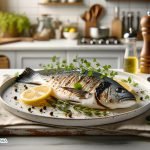
For Muslims adhering to halal dietary laws, understanding which foods are permissible is crucial. Grouper fish, known for its mild flavor and firm texture, is popular in many cuisines. But is it halal? In this article, we’ll explore the principles that determine whether seafood is halal or haram (forbidden) and specifically address whether grouper fish meets these criteria. By the end, you’ll know if grouper fish meat is a suitable choice for a halal diet. Click to get more information about halal vs haram topics discussed in today’s world.
Is Grouper Fish Halal or Haram?
Determining whether grouper fish is halal or haram involves understanding Islamic dietary laws. In Islam, seafood is generally considered halal unless it is specifically prohibited. Grouper fish, being a type of seafood, typically falls under the category of halal. However, the method of catching and processing the fish can affect its status.
For grouper fish to be halal, it must be caught live from the water and should not be contaminated with any haram substances during processing. The fish should also be handled in a way that adheres to Islamic principles of cleanliness and purity. Many Islamic scholars agree that most types of fish, including grouper, are halal as long as these conditions are met.
Muslims looking to ensure their consumption of grouper fish is halal should seek out reliable halal certification and consider the source and handling of the fish. This helps maintain compliance with Islamic dietary laws and ensures the food is permissible and pure.
What Islamic Scholars Say About Eating Grouper Fish
Islamic scholars generally agree that seafood, including grouper fish, is halal and permissible for consumption. The basis for this consensus lies in the Quran and Hadith, where the Prophet Muhammad (PBUH) has indicated that all sea creatures are lawful to eat. Scholars like Ibn Qudamah and Imam Malik have emphasized that fish and other sea creatures are halal as long as they are not harmful to health.
However, scholars also stress the importance of how the fish is caught and processed. For grouper fish to remain halal, it must be caught alive and processed in a clean and hygienic manner, free from contamination with haram substances. This is crucial because the handling and preparation can impact the fish’s halal status.
There is a consensus among scholars from different schools of thought, including Hanafi, Shafi’i, Maliki, and Hanbali, that fish, including grouper, is halal. They all underscore that maintaining cleanliness and adhering to Islamic guidelines during the entire process is vital to ensure the fish remains permissible.
Conclusion
Grouper fish is generally considered halal, as most seafood is permissible according to Islamic dietary laws. The key is ensuring the fish is caught alive and processed hygienically, free from any haram contamination. Islamic scholars from various schools of thought agree on its permissibility, provided these conditions are met. To confidently include grouper fish in a halal diet, look for reliable halal certification and be mindful of the handling and preparation processes. This ensures compliance with Islamic principles and the enjoyment of grouper fish as a halal food.