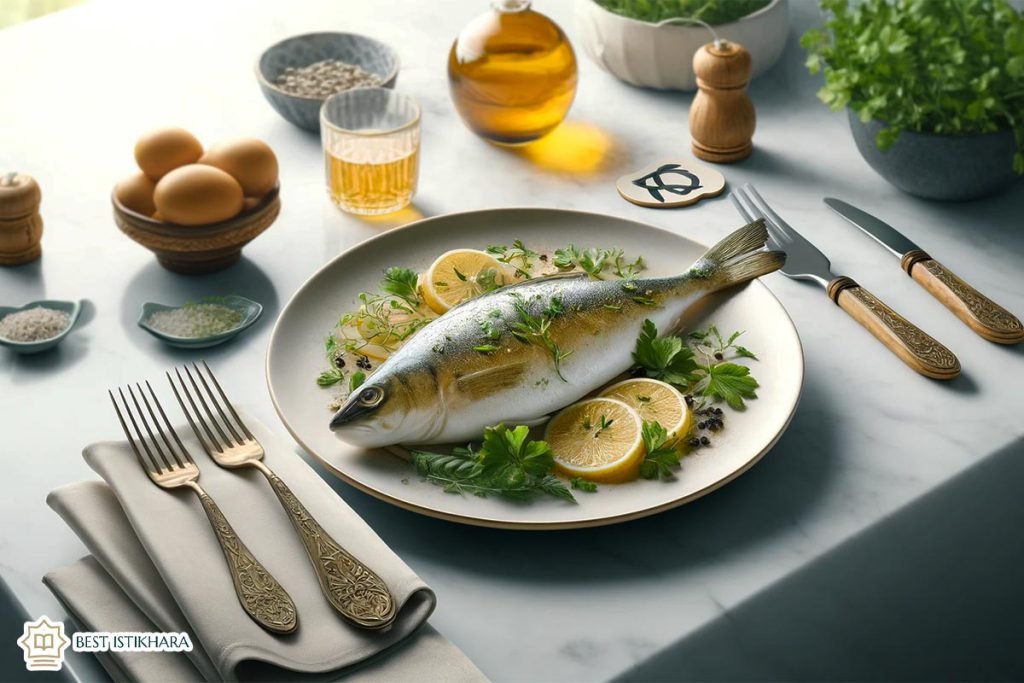
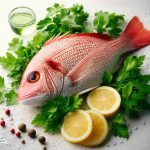
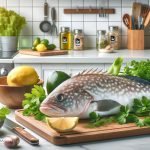
Pollock, a popular type of whitefish, is enjoyed by many around the world for its mild flavor and versatility in cooking. As dietary preferences and restrictions play a crucial role in meal planning, a common question arises for those adhering to Islamic dietary laws: Is Pollock meat halal? Understanding the halal status of various foods is essential for Muslims who strive to follow dietary guidelines as prescribed by their faith. This article delves into the intricacies of determining whether Pollock meat is halal, providing insights into Islamic dietary laws, the criteria for halal seafood, and what to look for when sourcing Pollock to ensure it meets halal standards. Whether you’re seeking to expand your culinary horizons or simply want to ensure your meals align with your faith, read on to discover if Pollock meat can be a part of your halal diet. Click to get more information about halal vs haram topics discussed in today’s world.
Pollock Fish: Scholar Insights on Halal
Islamic scholars widely agree that Pollock fish is halal. This consensus is rooted in Quranic verses, like Surah Al-Maida (5:96), which permit the consumption of seafood. Scholars from various Islamic schools of thought, including Hanafi, Maliki, Shafi’i, and Hanbali, state that fish with scales, such as Pollock, meet the halal criteria. This is because fish do not require the same slaughtering process as land animals.
Additionally, scholars emphasize the importance of proper handling to avoid contamination with non-halal substances. Ensuring that the equipment and facilities used for processing Pollock fish are clean and separate from haram items is crucial. By following these guidelines, Pollock fish remains a permissible and safe choice for Muslims.
Understanding the Halal Status of Pollock Fish
The halal status of Pollock fish is determined by Islamic dietary laws, which classify seafood as halal or haram based on specific criteria. According to most Islamic scholars and major schools of thought, Pollock fish, a type of whitefish with scales, is considered halal. This classification is rooted in Quranic teachings, particularly Surah Al-Maida (5:96), which permits the consumption of seafood.
Pollock fish meets the primary halal criterion for seafood: having scales. This distinction is crucial since Islamic law generally considers fish with scales halal. Additionally, unlike land animals, fish do not require a specific method of slaughter, simplifying their classification as halal.
However, ensuring that Pollock fish remains halal involves proper handling and processing. The fish must be caught, processed, and stored in facilities free from contamination with non-halal substances. This includes using clean equipment and maintaining separation from haram items throughout the supply chain. By adhering to these guidelines, Pollock fish can confidently be included in a halal diet.
Conclusion
In summary, Pollock fish is considered halal according to Islamic dietary laws. It meets the key requirement of having scales, which is necessary for fish to be deemed halal. Proper handling and processing are essential to maintain its halal status, ensuring it is free from contamination with non-halal substances. By following these guidelines, Muslims can confidently include Pollock fish in their diets, making it a nutritious and permissible option for those adhering to halal dietary practices.