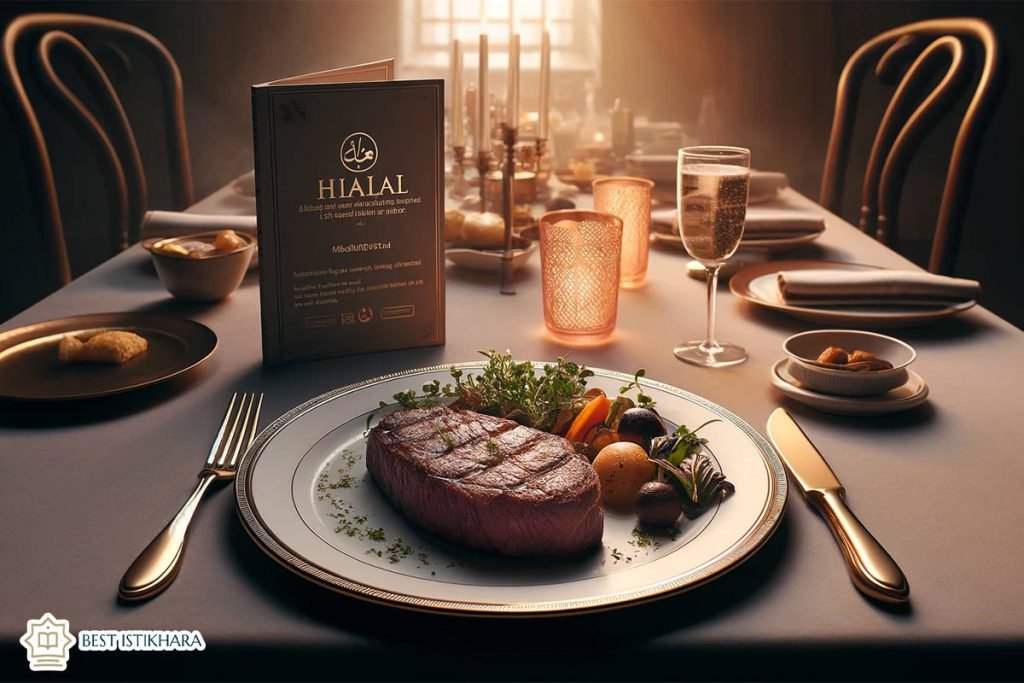
Exploring whether a medium-well steak aligns with halal dietary laws offers a glimpse into the intricate relationship between Islamic dietary principles and modern cooking methods. Halal, meaning ‘permissible’ in Arabic, encompasses not just the types of food that can be consumed but also how they are prepared and served. This brief exploration seeks to unravel the specific requirements that categorize meat as halal and examines if a medium-well steak meets these stringent criteria. It is a journey through the careful balance of faith, ethics, and culinary art that defines halal eating, aiming to provide clarity on its implications for a seemingly simple yet complex question. Click to get more information about halal vs haram topics discussed in today’s world.
Halal Steak Science: Cooking to Medium-Well
Delving into the science of cooking a steak to medium-well perfection within halal guidelines unveils a blend of culinary art and religious observance. Achieving this level of doneness—where the steak is mostly brown with a hint of pink in the center—requires precise temperature control and timing. For a steak to be considered halal, it must come from an animal that has been slaughtered according to Islamic law, which includes reciting a blessing and ensuring the animal is treated with respect and kindness.
The cooking process further entails using utensils and grills that have not been contaminated with non-halal substances, maintaining the purity of the meat from preparation to plate. When aiming for medium-well, the internal temperature of the steak should reach approximately 150-160°F (65-71°C), creating a firm texture with slight juiciness. This careful approach not only adheres to dietary laws but also enhances the steak’s flavor, embodying the respect for life and sustenance at the heart of halal eating. Marination and seasoning play crucial roles as well, with a focus on ingredients that complement the meat’s natural flavors without overshadowing its essence.
Scholars Weigh in on Medium-Well Steak Being Halal
The debate on whether a medium-well steak adheres to halal dietary laws has drawn diverse opinions from Islamic scholars. Key considerations include the method of slaughter, the blood drainage process, and the steak’s level of doneness. Some scholars argue that as long as the animal is slaughtered in a halal manner and all blood is drained, the degree of doneness does not affect the meat’s halal status. They emphasize the importance of intention and the adherence to Islamic slaughtering principles.
Conversely, others highlight the necessity of ensuring the meat is free from harm, which can include consuming meat that is thoroughly cooked to prevent health risks. This perspective suggests a preference for well-done steak, though it does not explicitly prohibit medium-well preparations.
This scholarly dialogue underscores the dynamic interpretation of Islamic dietary laws, reflecting a balance between traditional religious mandates and contemporary health considerations. The consensus leans towards the individual’s informed choice, provided the meat’s preparation aligns with overarching halal principles.
Is Medium-Well Steak Halal? Unveiling the Truth
The halal status of medium-well steak hinges on several Islamic dietary law aspects, primarily focusing on the slaughtering process and the meat’s preparation. For meat to be considered halal, the animal must be slaughtered by a Muslim, who invokes the name of Allah prior to the slaughter. The cutting method should ensure the swift draining of blood, as consuming blood is not permissible.
After confirming the halal slaughtering process, the next consideration is the cooking method. A medium-well steak, characterized by its warm, pink center, poses no inherent conflict with halal guidelines. The critical factor remains the meat’s source and slaughter procedure, not the degree of doneness. Therefore, a medium-well steak can be halal, provided the meat is sourced from a halal-certified provider and cooked in a manner that avoids cross-contamination with non-halal foods.
Conclusion