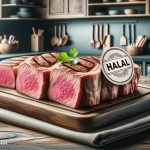

In the context of Islamic dietary laws, understanding what makes food halal is fundamental. “halal” translates to “permissible” in Arabic, delineating foods allowed under Islamic law. This encompasses the type of food and the preparation method, particularly how an animal is slaughtered. For meat to be considered halal, it must come from an animal that is lawful to eat and has been killed in the name of Allah, ensuring a swift and humane death to minimize suffering. The blood must be completely drained from the carcass, as consuming blood is strictly forbidden. This process is deeply rooted in Islamic ethics, emphasizing respect for the sanctity of life and the welfare of animals. Halal dietary laws are comprehensive, also covering aspects such as the prohibition of alcohol and certain animal by-products. Understanding these principles is essential for Muslims striving to adhere to their faith’s dietary guidelines, impacting not just what is eaten but how it’s prepared and consumed. Click to get more information about halal vs haram topics discussed in today’s world.
The Debate Around Rare and Medium-Rare Steak
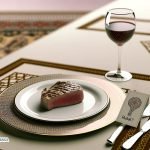
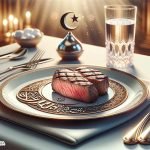
Within the Islamic community, the permissibility of consuming rare and medium-rare steak has sparked considerable debate. This discussion hinges on the interpretation of halal dietary laws, particularly regarding the presence of blood in meat. Islam prohibits the consumption of blood, and some argue that rare or medium-rare steak, characterized by its pink center, may not fully comply with this rule. However, others contend that the pinkness in steak is due to myoglobin, not blood, which does not contravene halal guidelines. The debate also touches on the necessity of ensuring meat is sourced and slaughtered according to Islamic principles, regardless of its level of doneness post-cooking. The varying opinions among Islamic scholars and different cultural practices worldwide contribute to the complexity of this issue, underscoring the importance of personal judgment and consultation with knowledgeable religious authorities when deciding on dietary choices within the bounds of Islamic law.
Islamic Scholar Perspectives on Steak Doneness
Islamic scholars offer varied perspectives on steak’s doneness, reflecting the diversity within Islamic jurisprudence. The primary concern revolves around ensuring the meat is halal, focusing on the animal’s slaughter according to Islamic law and the complete draining of blood, as blood consumption is explicitly forbidden. Some scholars argue that the pink or red appearance in rare or medium-rare steak is not actual blood but myoglobin, a muscle protein that does not breach halal dietary laws. However, others advocate for caution, preferring meat to be cooked thoroughly to avoid any semblance of blood, aligning with a more conservative interpretation of halal principles. This divergence in opinion highlights the importance of individual Muslims consulting knowledgeable scholars or authorities within their specific Islamic tradition to make informed decisions about consuming steak at varying levels of doneness, ensuring their dietary practices are in harmony with their faith.
Health and Safety Considerations
Health and safety considerations are paramount when consuming meat, including steak cooked to various levels of doneness. Consuming undercooked meat, such as rare or medium-rare steak, can pose health risks due to potential bacteria like E. coli and Salmonella. These pathogens are typically killed when beef meat is cooked to a minimum internal temperature of 145°F, as food safety guidelines recommend. However, preferences for steak doneness vary, and some culinary traditions favor less cooked meats. To mitigate health risks while respecting dietary choices, sourcing meat from reputable suppliers adhering to stringent hygiene practices during preparation, and employing proper cooking techniques are essential. This ensures compliance with Islamic dietary laws by avoiding blood consumption and aligns with general health and safety standards to prevent foodborne illnesses. Thus, individuals must balance their culinary preferences with health considerations, potentially consulting health professionals or food safety guidelines to make informed choices about steak consumption.
Halal Certification and Cooking Practices
Halal certification ensures that meat, including steak, adheres to Islamic dietary laws from slaughter to cooking practices. This certification process involves rigorous inspections by Islamic authorities to confirm that the meat is sourced from animals slaughtered in a Sharia-compliant manner, emphasizing the importance of ethical treatment and proper blood drainage. Beyond sourcing, halal certification extends to cooking practices, ensuring that cross-contamination with non-halal substances is strictly avoided. This includes using separate cooking utensils and surfaces for halal meats and ensuring that any added ingredients, such as marinades or broths, are also halal. The meticulous nature of halal certification means that Muslims can confidently consume meat, knowing it aligns with their dietary principles. For chefs and restaurants, adhering to halal cooking practices broadens their customer base and demonstrates a commitment to respecting cultural and religious dietary restrictions. As consumer awareness grows, the demand for transparent and authentic halal certification continues to rise, highlighting its significance in culinary practices globally.
Culinary Techniques for Halal Steak
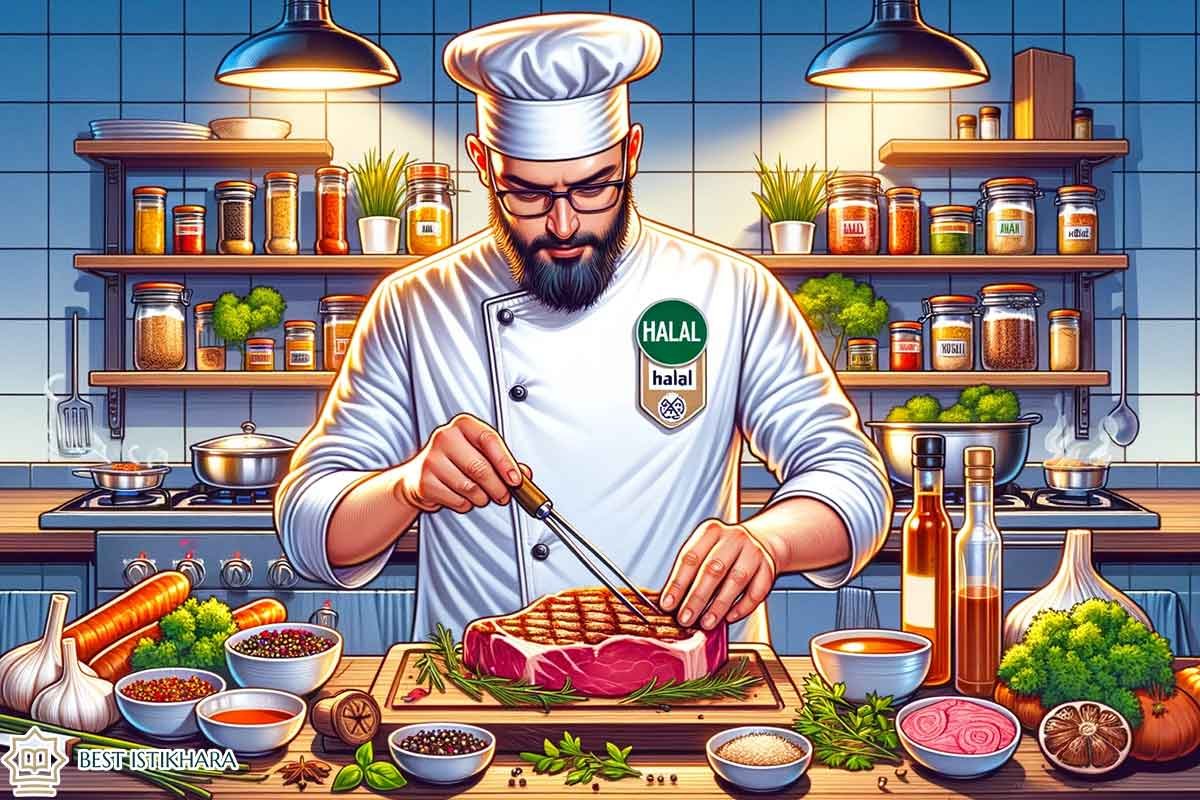
Culinary techniques for preparing halal steak involve a careful approach that respects Islamic dietary laws while aiming to achieve desired flavors and textures. A key aspect is ensuring that the steak adheres to halal standards, from procurement to plate. This starts with selecting certified halal steaks and ensuring the animal is slaughtered and processed according to Islamic practices.
Marination is often used when cooking, which adds flavor and can tenderize the meat. Marinade ingredients must be halal, with common choices including olive oil, garlic, herbs, and spices. Grilling is a popular method for cooking steak, providing a charred exterior while allowing the interior to reach various degrees of doneness, from well-done to medium, depending on personal preference.
Searing steaks on high heat before finishing in the oven is another technique that ensures a delicious crust with a juicy interior. For those who prefer their steak well-done, a low and slow cooking method in the oven can achieve thorough cooking without drying out the meat. Throughout these processes, maintaining cleanliness and avoiding cross-contamination with non-halal foods is paramount and in line with halal dietary requirements.
These culinary techniques showcase the versatility of halal steak preparation, offering a range of options to cater to diverse tastes while strictly adhering to halal guidelines.
Conclusion
Understanding the halal status of medium-rare steak requires navigating Islamic dietary laws, scholarly perspectives, and health considerations. This journey highlights the importance of halal certification, ensuring meat is sourced and prepared according to Islamic principles. The diverse views among Islamic scholars about steak doneness reflect the broader dialogue within the Muslim community, emphasizing a balance between religious observance, personal preference, and food safety. Ultimately, the decision to consume medium-rare steak should be informed by halal compliance, seeking guidance from trusted religious authorities, and considering one’s health. This exploration enriches the Muslim culinary experience, blending tradition with modern dining preferences.
Faq
- Can Muslims eat medium-rare steak?
- Yes, Muslims can eat medium-rare steak, provided that the meat comes from a halal-certified source and has been slaughtered by Islamic law. The halal status of a steak is determined by how the animal is slaughtered and not by the level of doneness of the meat.
- Does the pinkness in medium-rare steak mean it contains blood?
- The pink or red color in medium-rare steak is often due to myoglobin, a protein in the muscle, which is not blood. Islamic law prohibits the consumption of blood, but the myoglobin present in medium-rare steak is generally considered acceptable.
- What should I consider when ordering steak to ensure it is halal?
- Ensure the steak is sourced from a halal-certified provider and prepared in an environment free from cross-contamination with non-halal foods. When in doubt, consult the restaurant about its halal certification and cooking practices.
- Are there any health concerns with eating medium-rare steak?
- Consuming undercooked meat can pose health risks due to bacteria like E. coli and Salmonella. It’s essential to source steak from reputable suppliers and ensure it’s cooked properly to minimize health risks while adhering to personal and religious dietary preferences.
- How can I make sure my steak is halal at home?
- Purchase meat from halal-certified butchers or suppliers. Use separate utensils and cookware for halal meats to avoid cross-contamination. Cooking the steak to your preferred level of doneness, including medium-rare, is acceptable as long as the meat is halal.
- Do Islamic scholars agree on the permissibility of eating medium-rare steak?
- Opinions may vary among Islamic scholars regarding consuming medium-rare steak due to concerns about blood. However, many scholars agree that consuming medium-rare steak is permissible if the meat is halal and blood is adequately drained during slaughter. It’s advisable to consult with a knowledgeable Islamic authority if you have concerns.