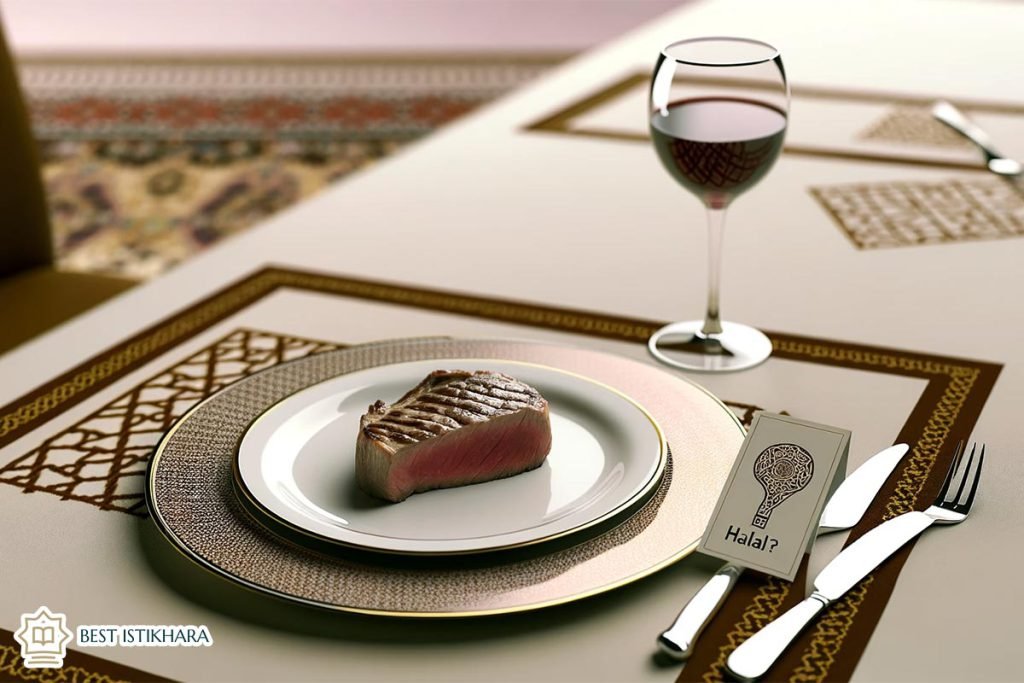
The question of whether consuming rare steak is halal centers around the Islamic dietary principle that prohibits the intake of blood. The key issue with rare steak for Muslims lies not in the meat itself but in its preparation and the presence of any blood within the meat. According to Islamic law, for meat to be considered halal, the animal must be slaughtered in a specific manner that includes reciting God’s name at the time of slaughter and ensuring the blood is fully drained from the carcass.
For steak to be halal, it must come from an animal slaughtered according to these rites, and any potential blood must be thoroughly cooked out. However, the pink or red appearance in rare steak is often due to myoglobin, not blood, which is a common misconception. The distinction between myoglobin and blood is crucial in determining the halal status of rare steak. Muslims are advised to consult with knowledgeable Islamic authorities or scholars to make an informed decision regarding the consumption of rare or medium-rare steak, ensuring it aligns with halal dietary laws. The focus should always be on the source of the meat, the method of slaughter, and ensuring that any resemblance to blood is addressed through proper cooking techniques.
Is Your Steak Halal? A Closer Look at Rare Meat
Determining the halal status of rare steak involves understanding Islamic slaughtering practices and the nature of blood in meat. Islamic law mandates that animals be slaughtered in a specific manner, invoking the name of Allah, and ensuring a swift, humane kill to minimize suffering. The blood must be fully drained from the carcass, as consuming blood is explicitly prohibited.
The confusion around rare steak arises from its appearance, which might suggest the presence of blood. However, the red liquid in rare steak is primarily myoglobin, a muscle protein, not blood. For a steak to be considered halal, it must originate from an animal slaughtered according to Islamic law, and any actual blood must be properly drained.
For Muslims concerned about the halal status of their steak, the key lies in the sourcing of the meat and the assurance that halal slaughtering practices were followed. When these conditions are met, even steak cooked to a lower degree of doneness can be permissible, provided it doesn’t contain blood. This underscores the importance of purchasing meat from reputable, halal-certified suppliers to ensure compliance with Islamic dietary laws.
Conclusion
In conclusion, navigating the dietary laws of Islam in relation to consuming rare steak requires a careful understanding of halal principles and a respect for the diverse interpretations among Islamic scholars. While the key concern revolves around the presence of blood and the method of slaughter, it’s evident that with proper sourcing from halal-certified providers and ensuring thorough cooking practices, Muslims can enjoy rare steak within the boundaries of their faith. The discussions highlighted in this article underscore the importance of seeking knowledge and guidance on matters of dietary laws, reflecting the dynamic and nuanced nature of Islamic jurisprudence. As Muslims strive to adhere to their dietary restrictions, it becomes clear that the principles of halal eating are not just about obedience but about connecting deeply with one’s faith through everyday choices.