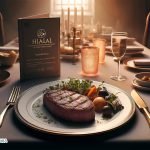
In the realm of culinary preferences and religious dietary guidelines, the question of whether well-done steak is halal strikes a chord with both food enthusiasts and followers of Islamic dietary laws. The Islamic dietary law, or Halal, encompasses more than just the method of slaughter; it extends to the preparation and cooking of the meat. This article delves into the intricate details of Halal food requirements, specifically focusing on steak, and explores the considerations for cooking steak to well-done while adhering to Halal guidelines. As Muslims seek to align their dietary choices with religious principles, understanding the nuances of Halal certification and preparation methods becomes essential. This piece aims to provide clarity on the permissibility of consuming well-done steak within the framework of Halal dietary rules, addressing common concerns and shedding light on how culinary practices intersect with religious observance. Click to get more information about halal vs haram topics discussed in today’s world.
Guide to Best Halal Steak Cuts
Choosing the right halal steak cut can elevate your dining experience, offering a delightful blend of flavor, tenderness, and juiciness, all within the parameters of Islamic dietary laws. When selecting halal steak, consider the following popular cuts, each known for its unique qualities:
Filet Mignon: Praised for its tenderness, this cut comes from the smaller end of the tenderloin. Its lean texture and subtle flavor make it perfect for those who prefer a delicate, buttery taste.
Ribeye: Known for its rich marbling, the ribeye cut offers a juicy, flavorful experience. The fat marbling melts during cooking, infusing the steak with succulence and a robust beefy flavor.
Sirloin: This cut strikes a balance between leanness and flavor. Located between the loin and the round, sirloin steaks offer a meatier taste with less fat, making it a popular choice for grilling.
T-Bone: A T-bone steak provides the best of both worlds, featuring a taste of both tenderloin and strip steak, separated by a T-shaped bone. It’s ideal for those who appreciate a combination of textures and flavors in one cut.
Top Round: Also known as the “London Broil,” this cut is leaner and more affordable. It’s best when marinated and cooked to medium-rare to ensure it remains tender.
Each of these cuts offers a distinct taste and texture, allowing for a versatile range of cooking methods, from grilling and broiling to pan-searing. Understanding the characteristics of each can help you make an informed decision, ensuring a satisfying halal dining experience.
Cooking Techniques for the Perfect Halal Steak at Home
Achieving the perfect halal steak at home involves a blend of selecting the right cut, proper seasoning, and mastering cooking techniques to honor both the flavor of the meat and halal dietary principles. Start with a high-quality halal-certified steak such as ribeye or sirloin for a balance of flavor and tenderness. Bring your steak to room temperature before cooking, a crucial step that ensures even cooking.
Season generously with salt and pepper. For a more aromatic flavor, consider adding herbs like rosemary and thyme, and a hint of garlic. Heat a heavy-based pan or skillet over a high heat; a well-heated pan is key to achieving a beautifully caramelized crust. Place the steak in the pan, letting it sear without moving it around too much. This allows a golden crust to form, sealing in juices.
For a well-done steak, cook for about 4-6 minutes on each side, depending on thickness. Use a meat thermometer to ensure the internal temperature reaches 160°F (71°C), the point at which a steak is considered well-done. Resting the steak after cooking is a step you shouldn’t skip; it allows juices to redistribute, ensuring a juicy, tender bite. Serve your halal steak with sides that complement its richness, like steamed vegetables or a light salad, to create a balanced, satisfying meal.
Frequently Asked Questions About Halal Steak
Navigating the nuances of halal steak can raise several questions, from its preparation to the specifics of what makes a steak halal. Here, we address common inquiries to ensure clarity and confidence in enjoying halal steak.
What makes a steak halal?
Halal steak must come from an animal that has been slaughtered in accordance with Islamic law. This involves reciting a blessing and ensuring the animal is killed swiftly and humanely, with all blood drained from the carcass.
Can I season halal steak?
Absolutely. Seasoning doesn’t affect the halal status of a steak. Salt, pepper, herbs, and spices can all be used to enhance flavor, provided they don’t contain alcohol or other non-halal ingredients.
How can I ensure my steak remains halal during cooking?
Use separate utensils and cookware that haven’t been in contact with non-halal foods to avoid cross-contamination. Also, ensure any added ingredients, like stock or sauce, are halal-certified.
Is it necessary to buy steak from a halal butcher?
Purchasing from a halal-certified butcher ensures the meat has been handled according to Islamic principles from slaughter to sale, offering peace of mind regarding its halal status.
Can halal steaks be cooked to different levels of doneness?
Yes, the level of doneness (e.g., rare, medium, well-done) doesn’t affect the halal status of the steak, provided it has been properly slaughtered and prepared.
Understanding these aspects of halal steak preparation can enhance the dining experience, ensuring adherence to dietary laws while enjoying delicious, ethically prepared meals.
Conclusion