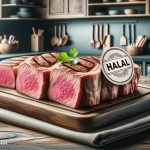
The question of whether rabbit meat is halal, permissible according to Islamic dietary laws, engages both historical religious texts and modern culinary practices. Islamic jurisprudence, rooted in the Quran and Hadith, provides a framework for determining what foods are permissible (halal). The Quran outlines general prohibitions, such as pork and blood, but does not specifically mention rabbit meat. However, several Hadiths—sayings and actions of the Prophet Muhammad (peace be upon him)—refer to the consumption of rabbit meat, affirming its permissibility under Islamic law. This acceptance is conditional upon the animal being slaughtered according to Islamic rites, which involve reciting God’s name at the time of slaughter and ensuring that the blood is fully drained, highlighting the importance of ethical treatment in halal slaughtering practices. This introduction sets the stage for exploring the broader implications and nuances of consuming rabbit meat within the Islamic dietary framework, reflecting both adherence to religious laws and contemporary health considerations. Click to get more information about halal vs haram topics discussed in today’s world.
Rabbit Meat: Halal Certification and Slaughtering Requirements
Ensuring that rabbit meat is halal involves stringent slaughtering processes as prescribed by Islamic law, which is integral to making the beef permissible for Muslim consumers. The halal certification of rabbit meat not only involves the humane handling and killing of the animal but also strict adherence to ritualistic procedures, which include recitations and methodical butchery.
The Importance of Islamic Slaughtering Practices for Rabbit Meat
Islamic slaughtering laws mandate that the animal must be killed by a sane adult Muslim, who must invoke the name of Allah by saying “Bismillah” (In the name of Allah) and “Allahu Akbar” (God is the greatest) at the time of slaughter. This invocation is crucial as it signifies the sanctification of the act, reflecting gratitude and respect for the sustenance provided by Allah. Furthermore, the slaughtering process requires a sharp knife to ensure a swift and humane cut, severing the trachea, esophagus, and jugular veins to facilitate complete blood drainage. The complete draining of blood is essential, as consuming blood is explicitly prohibited in Islam. Adhering to these practices ensures the meat’s purity and compliance with halal dietary laws, making it permissible for Muslim consumption. This meticulous process underscores the ethical considerations of animal welfare within Islamic nutritional guidelines, emphasizing compassion and respect for the creatures.
Health Benefits of Rabbit Meat
Rabbit meat is celebrated not only for its delicate flavor but also for its considerable health benefits, making it an excellent choice for those looking to maintain a balanced and nutritious diet. Recognized for its low-fat content, rabbit meat is an ideal source of high-quality protein, essential for muscle repair and growth. It also stands out as a cleaner alternative to other meats, contributing to a healthier lifestyle by reducing the intake of saturated fats.
Nutritional Advantages of Rabbit Meat
Rabbit meat’s nutritional profile is impressive, offering more than just low-fat content and high-quality protein. It is rich in vitamins, including B12, which is crucial for the nervous system, and minerals, such as phosphorus and potassium, essential for maintaining bone health and proper organ function. The meat’s high selenium content enhances immune function, while its low-calorie count makes it suitable for weight management. These attributes make rabbit meat a practical choice for a diet that supports overall health and well-being, providing essential nutrients without excessive fats or calories. This combination of benefits underscores why rabbit meat is an excellent addition to a health-conscious diet.
Controversial Aspects and Scholarly Opinions
The discussion around the permissibility of rabbit meat in Islam has spurred varying opinions among scholars, reflecting broader interpretative differences within Islamic jurisprudence. These debates often hinge on interpretations of Hadiths and the practices of the Prophet Muhammad (PBUH), which are not uniformly viewed across all schools of thought.
Scholarly Debates Across Islamic Schools of Thought
Among the four primary schools of Islamic jurisprudence, there is general agreement that rabbit meat is halal, but nuances in interpretation can lead to different emphases. The Hanafi and Shafi’i schools generally regard rabbit meat as unquestionably halal, highlighting Hadiths where the Prophet Muhammad (PBUH) consumed rabbit meat as evidence of its permissibility. In contrast, some Maliki scholars have historically classified rabbit meat as makruh (disliked), not due to its impurity but owing to concerns about the animal’s hygiene habits, such as eating its feces. The Hanbali school, however, aligns more closely with the Hanafi and Shafi’i perspectives, emphasizing the importance of proper slaughtering methods over the animal’s habits. This divergence underscores a broader theme in Islamic dietary laws: while consensus exists on many issues, regional practices, and scholarly interpretations can influence the application of these rules.
Practical Tips for Consuming Rabbit Meat
Incorporating rabbit meat into a diet while adhering to Islamic dietary laws involves careful consideration of how the meat is sourced and processed. These practical tips ensure compliance with halal standards and enhance the culinary experience.
Advice on Purchasing Halal Rabbit Meat
When purchasing rabbit meat, it is essential to look for halal certifications. These certifications indicate that the rabbit was slaughtered according to Islamic guidelines, including the invocation of Allah’s name at the time of slaughter and ensuring that the blood was properly drained. Consumers should verify the source of the rabbit meat to ensure that it comes from farms that adhere to ethical treatment and feeding practices, as these factors can affect the halal status of the meat. Additionally, it’s advisable to purchase from trusted butchers or suppliers known for their adherence to halal standards. When in doubt, consulting with a local imam or a religious authority on the authenticity of the halal certification can provide further assurance. These steps are crucial for maintaining dietary observance and ensuring that the meat is both spiritually and physically nourishing.
Conclusion
Understanding whether rabbit meat is halal encompasses considerations of Islamic law, nutritional benefits, and cultural practices. The permissibility is rooted in religious texts and the prophetic tradition, with consensus among Islamic scholars that rabbit meat, when properly slaughtered, is halal. This affirmation ensures that it can be a part of a Muslim’s diet, provided the slaughtering meets the strict guidelines of Islamic jurisprudence. By acknowledging the religious, health, and ethical aspects of consuming rabbit meat, Muslims can make informed decisions that respect both their faith and their well-being, integrating this protein source into their dietary practices in a way that aligns with Islamic dietary laws.