
Halal, an Arabic word meaning “permissible,” governs every aspect of a Muslim’s life, especially dietary laws. Central to these laws is the concept that only certain foods are allowed for consumption, as prescribed in the Quran and Hadith. For meat to be considered halal, it must come from a permissible animal and be processed in a specific way that includes a humane slaughter in the name of Allah. This method ensures minimal suffering and is believed to purify the meat. Beyond the process of slaughter, halal dietary laws also prohibit certain substances such as alcohol and blood. Understanding these principles is crucial for Muslims who adhere to their faith’s nutritional requirements. This comprehensive approach to consumption is not just about what is eaten. Still, it manifests religion, ethics, and respect for creation, emphasizing a holistic, ethical consumption pattern that aligns with spiritual and moral values. Click to get more information about halal vs haram topics discussed in today’s world.
Understanding the Halal Status of Beef and Steak
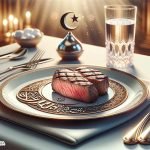
The halal status of beef and steak is determined by Islamic dietary laws designed to ensure that the meat consumed is not only permissible but also prepared in a manner that aligns with Islamic principles of respect for life and the ethical treatment of animals. For beef or steak to be considered halal, it must come from healthy cattle at the time of slaughter and have been fed a natural diet free from prohibited substances.

Criteria for Halal Beef: Slaughter & Respect
The criteria for beef to be halal are stringent and multifaceted. First and foremost, the slaughter must be performed by a sane adult Muslim who invokes the name of Allah at the time of slaughter, saying “Bismillah” (In the name of Allah) to signify the act is performed by divine will. The method of slaughter involves a swift, humane cut to the throat, severing the trachea, esophagus, and major blood vessels while leaving the spinal cord intact. This method ensures rapid loss of consciousness and death, minimizing the animal’s suffering. Moreover, the animal must be treated with care and respect throughout its life and slaughter process, reflecting Islamic principles of kindness and compassion towards all creatures. This respectful treatment includes providing adequate space, food, and water and avoiding any form of mistreatment or unnecessary stress to the animals. The comprehensive approach to halal beef and steak preparation underscores the emphasis on ethical treatment, health, and spirituality in Islamic dietary laws.
The Debate Around Medium Steak: Halal or Not?
The culinary world often celebrates the taste and texture of a medium-cooked steak, yet within the Muslim community, the permissibility of consuming such a dish under Islamic dietary laws has sparked considerable debate. This contention stems from concerns over blood remnants in the meat, as consuming blood is explicitly prohibited in Islam. The central question revolves around whether the juices present in medium steak constitute blood, thus rendering the steak haram (forbidden), or if they are simply myoglobin, a permissible protein-based liquid.
Is Medium Steak Halal? Scholarly Views
Islamic scholars have varied perspectives on the halal status of medium steak, largely due to differing interpretations of Sharia law regarding blood in meat. Some scholars assert that any trace of redness indicates the presence of blood, thereby classifying the steak as non-halal. Others argue that the red liquid in a medium steak is primarily myoglobin, not blood, and therefore does not violate halal dietary laws. This distinction is critical, as Sharia law explicitly prohibits the consumption of blood. The debate extends to the slaughter and meat preparation method, emphasizing the need for thorough blood draining to ensure purity. Scholars advocating for stringent adherence to halal principles caution against medium steak, favoring well-done meat to avoid ambiguity. Conversely, some Islamic authorities offer a more lenient interpretation, provided the meat is sourced from a halal-certified supplier, and all blood is adequately drained post-slaughter. This ongoing discussion among Islamic scholars reflects the broader dialogue within the Muslim community about interpreting dietary laws in the context of modern culinary practices.
Blood in Meat: Religious and Health Perspectives
The presence of blood in meat touches on both religious sensibilities and health considerations, marking a significant point of concern across cultures, particularly within Islam. From a spiritual standpoint, blood is considered impure, and consuming it is strictly forbidden in Islamic dietary laws. This prohibition stems from the belief that blood is the creature’s life force and thus should be returned to the earth, not consumed. Health perspectives also caution against the consumption of blood due to the potential risks of transmitting diseases and pathogens that can thrive in blood.
Blood in Meat & Halal Cooking Levels
In Islam, blood is deemed impure because it is associated with life essence and the soul, which are sacred. Consuming it is viewed as disrespectful to the sanctity of life, a principle deeply embedded in Islamic teachings. This belief is reflected in the stringent requirements for meat slaughter and preparation, ensuring that blood is thoroughly drained from the carcass, rendering the meat pure (tayyib) and permissible (halal) to eat. The cooking level of steak directly impacts this religious directive. Rare to medium steaks, often characterized by their pink to red center and juices, prompt concern over whether all blood has been adequately removed. In contrast, well-done steak, lacking any redness, is generally accepted as free from blood, aligning with the religious mandate to avoid consuming blood. This correlation between cooking levels and religious compliance illustrates the meticulous care taken in Islamic dietary practices to respect the sanctity of life and maintain purity in consumption.
Expert Opinions on Consuming Medium Steaks
The discourse on consuming medium-cooked steaks within Islamic communities garners diverse opinions from religious scholars and organizations rooted in interpretations of Islamic law. The crux of the debate hinges on whether the presence of pink or red in the meat contravenes the Islamic prohibition against consuming blood.
Medium Steak: Insights & Regional Views
Islamic scholars present a spectrum of views regarding medium steaks. Some scholars, particularly in regions with stringent interpretations of halal practices like the Middle East, advocate for caution, recommending that meat be cooked well to ensure compliance with halal dietary laws. Contrastingly, scholars in more diverse, multicultural contexts, such as parts of Europe and North America, may offer a more nuanced stance. They acknowledge the scientific distinction between blood and myoglobin—the pigment that gives meat its red coloration—suggesting that consuming medium steak could be permissible if the animal was slaughtered halal and the blood properly drained. These regional nuances reflect broader discussions within the Islamic world about navigating religious dietary laws in contemporary, globalized societies. Through this discourse, a common thread emerges the importance of intention, the method of slaughter, and the assurance of the meat’s purity, irrespective of regional interpretations.
The Importance of Ensuring Meat is Halal-Certified
Halal certification serves as a crucial marker for Muslims worldwide, ensuring that meat products comply with Islamic dietary laws. This certification goes beyond the method of slaughter, encompassing the animal’s welfare, feed, and processing facilities to guarantee that the entire production chain adheres to Islamic principles. The significance of halal certification lies in its ability to provide Muslim consumers with assurance and trust in the products they consume, aligning with their spiritual and dietary requirements.
Halal Certification: Ensuring Meat’s Purity
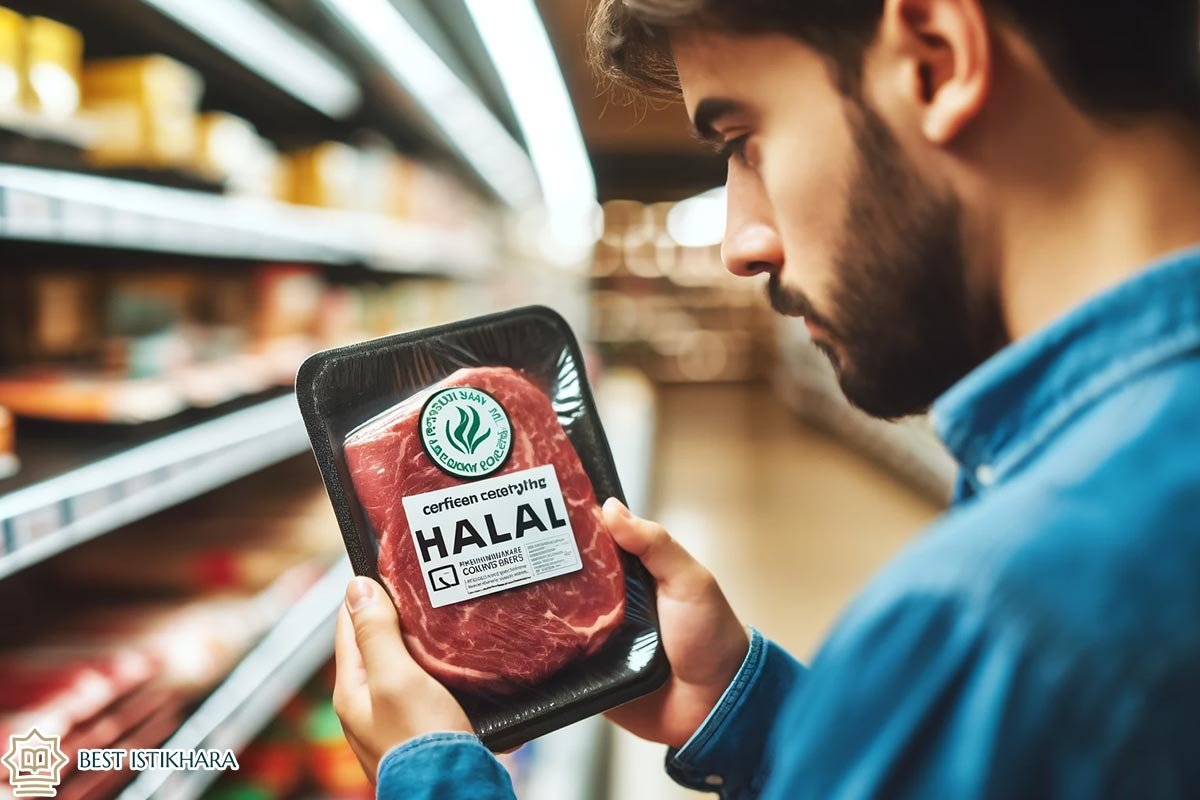
To verify the halal status of steak or any meat product, consumers should look for official halal certification labels on the packaging or inquire about the certification status at restaurants. Halal certifying bodies operate globally, each with rigorous standards and auditing processes to ensure compliance with Islamic law. Consumers can also seek information on the certifying agency’s credibility and standards, which can vary. With the rise of digital platforms, many organizations now offer online databases and apps to help consumers find halal-certified products and eateries. By relying on these resources, Muslim consumers can confidently enjoy their meals, knowing they adhere to their dietary and ethical values.
How to Cook Steak and Maintain its Halal Status?
Maintaining a steak’s halal status from the butcher’s block to the dinner plate requires mindful preparation and cooking methods. This ensures the meat meets halal certification standards and respects Islamic dietary principles throughout the cooking process.
Cooking Steak the Halal Way: Tips & Tricks
To ensure steak remains halal during cooking:
- Start sourcing meat with a credible certification.
- Before cooking, wash the steak with water to remove any residual impurities, a practice aligning with cleanliness principles in Islam.
- Use separate utensils and cookware dedicated to halal foods to avoid cross-contamination with non-halal items.
- When cooking, avoid alcohol-based marinades or ingredients prohibited in Islam.
- Opt for simple seasoning or halal-certified sauces.
Some prefer cooking steak in a well-done state to ensure all blood is thoroughly cooked. However, if the meat is properly slaughtered and processed, less well-done states can also be permissible, depending on individual interpretations of halal guidelines. By following these steps, the integrity of the steak’s halal status is preserved, ensuring it aligns with dietary laws and personal faith practices.
Conclusion
Navigating the nuances of consuming halal steak involves understanding Islamic dietary laws, the importance of halal certification, and the considerations of how steak is prepared and cooked. While debates around the permissibility of consuming medium-cooked steaks persist, it’s clear that intention, ethical treatment of animals, and adherence to halal processes play crucial roles. By seeking guidance from respected Islamic scholars and ensuring meat is sourced from certified halal suppliers, Muslims can enjoy steak within the bounds of their faith. As culinary practices evolve, the dialogue around halal steak continues, reflecting the dynamic interplay between tradition, ethics, and modern dining preferences.
Faq
- Is it permissible to eat halal steak cooked medium-rare or medium?
- The permissibility of consuming medium-rare or medium-cooked halal steak varies among Islamic scholars. The primary concern is whether any blood remains in the steak, as consuming blood is explicitly prohibited in Islam. Some scholars argue that the red liquid in medium-rare or medium steaks is myoglobin, not blood, and thus permissible. However, conservative interpretations recommend cooking steak until no pink or red liquid is present to ensure compliance with halal dietary laws.
- How can I ensure my steak is halal?
- To ensure your steak is halal, purchase meat from a reputable supplier with halal certification. The certification should confirm that the animal was slaughtered by Islamic rites, including the recitation of Allah’s name and proper blood drainage. Additionally, ensure that the steak does not come into contact with non-halal substances during storage, preparation, and cooking.
- Can I eat steak from a non-halal restaurant if I need clarification on its certification?
- Consuming steak from a non-halal certified source involves risk, as the meat may not meet halal slaughtering criteria or might have been cross-contaminated with non-halal foods. Eating only in establishments that provide halal certification or can assure their meat is sourced from halal-compliant suppliers is advisable.
- Are there any health benefits or risks associated with halal steak?
- Halal certification primarily addresses food preparation’s ethical and religious aspects, not nutritional content. However, the halal slaughtering process, which includes thorough blood draining, might reduce the risk of consuming bloodborne pathogens. The healthiness of a steak also depends on factors like the cut of meat, cooking method, and portion size.
- How does halal slaughter affect the quality and taste of steak?
- Halal slaughter focuses on humanely treating animals and cleanliness in the slaughtering process. Some consumers believe that the halal method, which includes draining blood fully, may enhance the meat’s freshness and taste by removing impurities. However, the quality and taste of steak are also influenced by the meat’s source, age, feed, and aging process.