
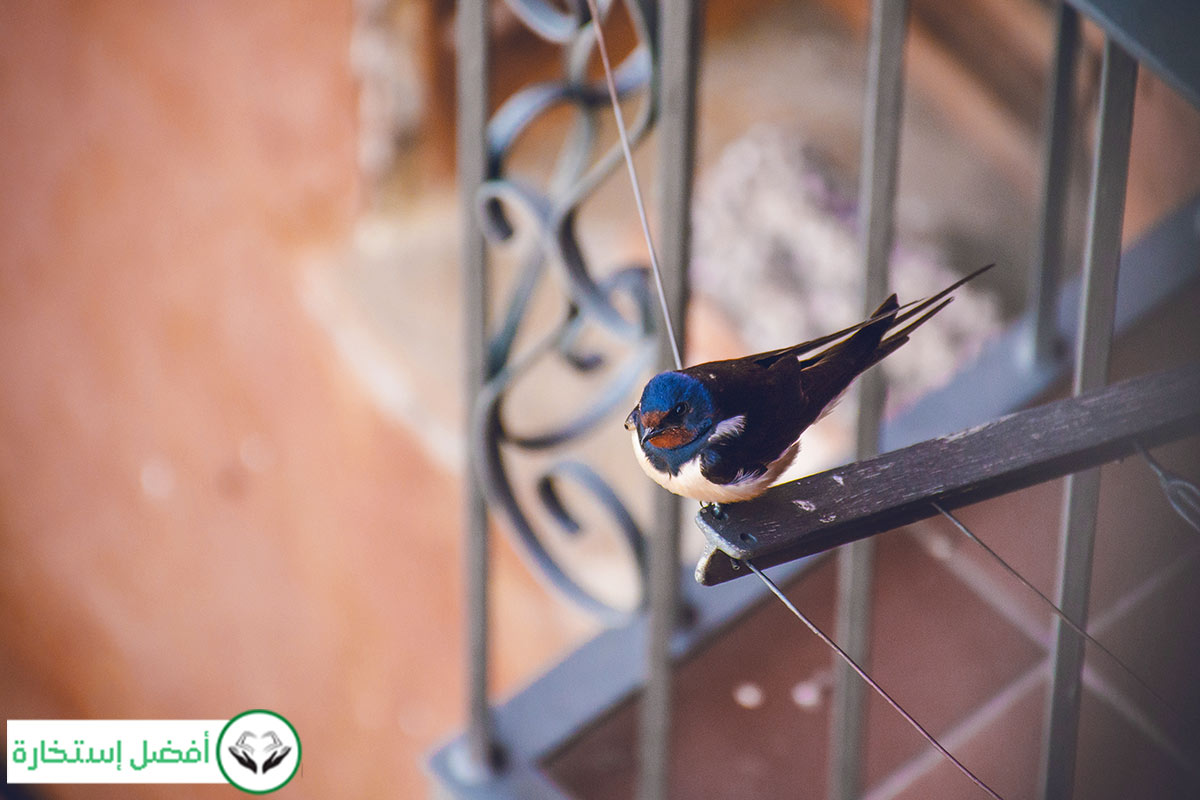
A swallow in a dream is usually read as a gentle, hopeful sign linked to travel, return, home, or a change of season in life. There does not appear to be a specific authentic Qur’anic or Prophetic text that assigns a fixed meaning to this bird, so these readings come from later dream-interpretation traditions and from the swallow’s real-world habits, not from a religious ruling.
Those habits explain the common associations. Swallows migrate long distances, come back to the same nesting places, and often build their nests on the walls and eaves of houses, so interpreters tend to connect the bird with journeys, reunions, family life, and a sense of safety. Which of these fits your dream depends on the details: whether the swallow was calm or frightened, whether it nested in your home, whether it was flying freely, injured, or harmed, and how you felt when you woke up.
The sections below go through these details and separate what comes from Islamic sources from what is symbolic or cultural. For the wider framework of how Islam views true dreams, disturbing dreams, and everyday thoughts, read our guide to dream interpretation in Islam.
What Does Seeing a Swallow in a Dream Mean in Islam?
Most interpreters treat the swallow as a hopeful sign, associating it with good news, relief, or a sense of freedom. This is a symbolic reading and not an Islamic ruling, and the details of the dream change its emphasis.
If the swallow is flying freely, the dream may point to movement or change, such as a new opportunity, a journey, or news you have been waiting for. Some interpreters read this as encouragement to stay hopeful and rely on Allah when things feel uncertain. That idea of reliance, tawakkul, is a real Islamic concept, for example in Qur’an 65:3. The verse speaks about trust in Allah in general, not about swallows or dreams.
If the swallow is building a nest, the emphasis shifts from movement to stability. This reading comes from the bird’s real habits: barn swallows commonly nest on the walls and beams of buildings and return to the same sites year after year. A nest in your dream may therefore be read as a symbol of home, family, and security, and it may prompt you to reflect on how you look after the people close to you.
Migration, Travel and Return
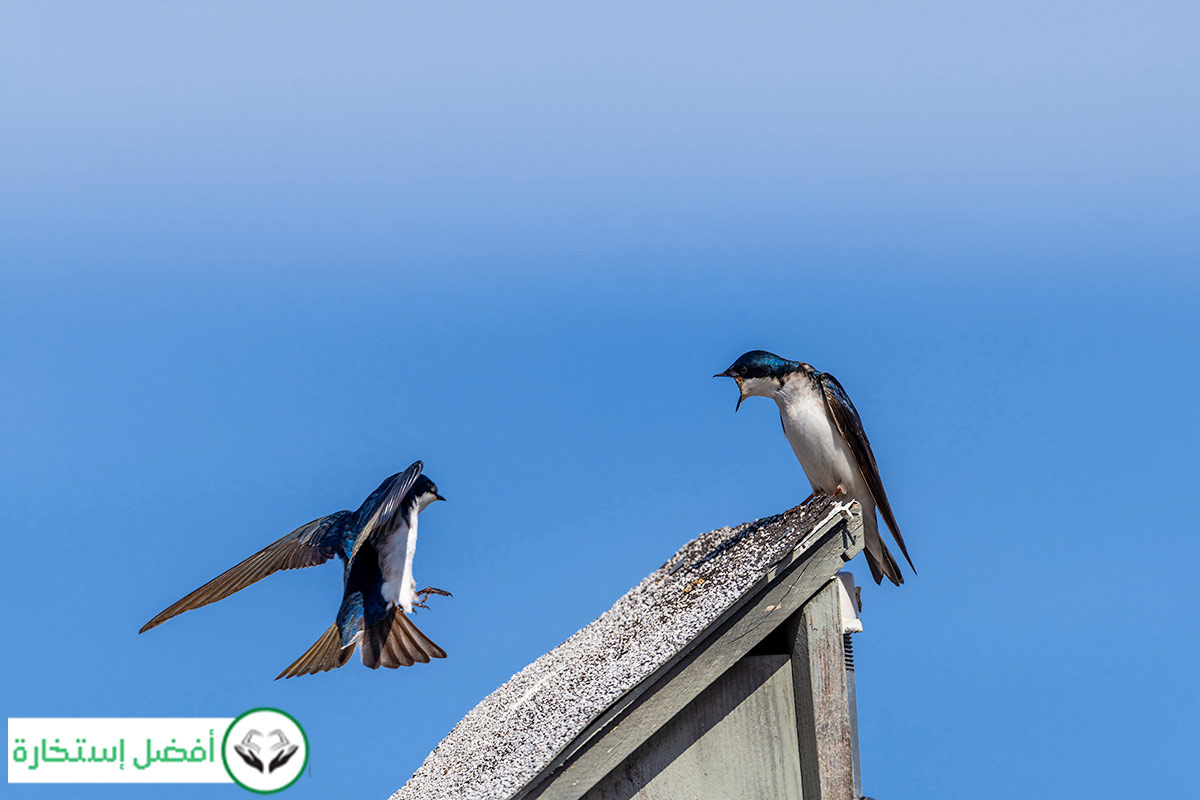
Swallows are among the birds that migrate over very long distances, so travel is one of the most natural associations for this dream. This comes from the bird’s real behavior and not from an Islamic text. Depending on your circumstances, the dream may reflect a trip you are planning, a move, or a broader sense of leaving one stage of life for another. Some interpreters read it as a sign of progress toward a goal, but that is only one possible reading.
The meaning also depends on how the journey felt in the dream. A swallow flying steadily and calmly may suggest movement you are at peace with. A swallow that seems lost, exhausted, or unable to reach its destination may instead mirror worry about a change you are facing, or about being separated from home or family. The same bird can point in different directions, which is why your own feelings in the dream matter more than any single symbol list.
Direction, Pace, and One Swallow or Many
Flight alone does not settle the meaning. What tends to matter is how the bird moves and how you feel watching it. None of the readings below is established by a Qur’anic or Prophetic text. They are interpretive suggestions built on the bird’s appearance and behavior.
Direction. A swallow flying toward you or landing near you is often read as something approaching, such as news, a person, or a change. A swallow flying away may be read as something leaving or ending, or it may simply express that someone or something feels out of reach. Neither reading is good or bad by itself. Your reaction decides which fits: relief or sadness, curiosity or dread.
Height and pace. Swallows fly fast and, when feeding, often stay close to the ground or water. A bird that glides smoothly overhead may suggest ease and momentum. One that darts erratically or skims very low may match a restless or hurried period in your life. These are impressions drawn from real swallow flight and not interpretive rules.
Alone or in a flock. A single swallow tends to be read on a personal level, such as your own hopes or a private worry. A flock is more often read as a gathering of people, a period of activity, or a season of change. Swallows often gather in groups, especially when migrating, so the link with community or family gatherings is a reasonable one.
The mood of the scene. A clear sky and a calm feeling suggest a hopeful reading. A stormy sky or a sense of unease shifts the tone, and it may reflect anxiety and not a warning. If hope is what the dream stirred in you, the Qur’an itself links difficulty with relief in Surah ash-Sharh. That surah is about hardship and ease in general, and it says nothing about dreams or birds.
How the Details of the Dream Change the Reading
The variations below are the ones that change the reading most. They are symbolic suggestions, not established rulings.
A Swallow Inside Your Home
A swallow entering or nesting in a house links most directly to home and family life. A calm, welcome presence may suggest comfort and belonging. If the bird seems trapped, panicked, or unable to leave, the dream may reflect a feeling of being confined, or worry about someone in the household.
An Injured or Dead Swallow
A hurt or lifeless swallow reverses the usual hopeful associations. It may mirror disappointment, a plan that stalled, or concern for a person who is far away. Waking emotions matter here: sadness in the dream points to a different reading than indifference.
Catching, Touching, or Harming the Swallow
Swallows are wild and fast, so holding one gently may be read as gaining something that felt out of reach, while causing it harm may be read as damaging a relationship or an opportunity. These are personal, contextual readings. A violent scene should not be treated as a warning from the unseen, and it is not a moral verdict on you.
Fear, Calm and Recurring Dreams
Your reaction is usually the most reliable clue. A swallow that made you feel peaceful and hopeful suggests a different tone than one that startled or frightened you. A frightening dream is best handled through the Prophetic guidance described in the last section of this page, and it should not be read as a sign of misfortune.
If the same dream keeps returning, it may say more about what is occupying your mind than about any symbol. Keeping a short note of what was happening in your life around each dream can be more useful than looking up the bird again.
Swallows in Muslim Culture: the Ababil Question and Kindness to Animals
Outside the dream dictionaries, the swallow’s place in Muslim cultures comes mostly from everyday life. In many regions, swallows nest under the eaves of houses and return each spring, and people often treat their arrival as a welcome sign of the season and a reason not to disturb the nest. That habit of goodwill toward the bird is cultural, and it helps explain why dream readings so often link the swallow with home and gladness.
There is also a well-known point of contact with the Qur’an. In Surah al-Fil, Allah describes flocks of birds called ababil sent against an army. In Persian, Urdu, and some other languages, ababil is popularly used as a name for the swallow. Classical commentators, however, generally understand the word as describing groups or flocks, and their descriptions of what the birds looked like differ, so naming them as swallows is a cultural reading and not a settled tafsir position. It should not be used to claim that seeing a swallow in a dream carries Qur’anic weight.
A more solid Islamic principle is the general teaching of kindness toward animals, which appears throughout Sunan Abu Dawud and other Hadith collections. One well-known report in that collection tells of a small bird whose chicks were taken, and the Prophet asked for them to be returned to her. It says nothing about dreams, but it shapes the cultural attitude that harming a nesting bird is wrong, which may be why a dream in which a swallow is harmed often feels troubling to people.
The swallow’s standing in Islamic culture is therefore mostly affectionate and practical. It is a familiar seasonal visitor and not a symbol with a defined religious meaning. If a relative or community elder offers you an interpretation, treat it as a personal or regional tradition that may be helpful, and compare it with what you actually experienced in the dream.
Prophet Solomon and the Speech of Birds
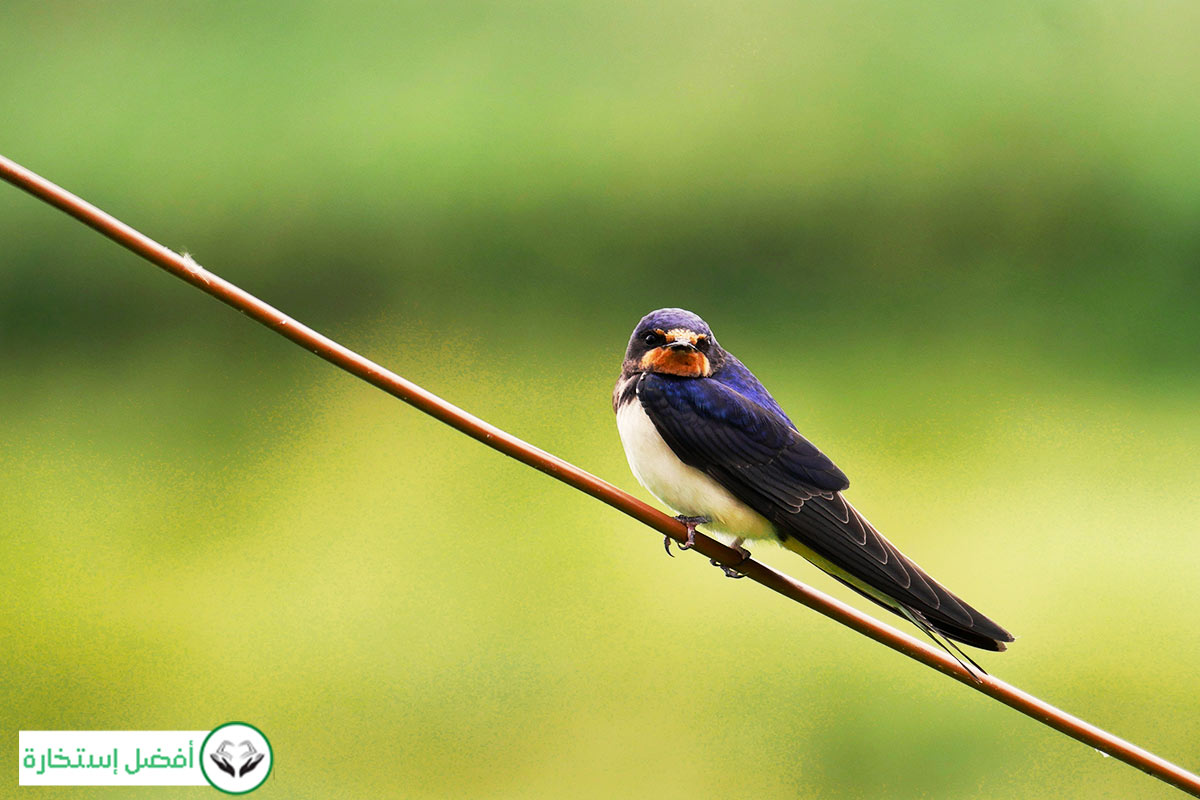
Prophet Solomon is sometimes brought into discussions of birds and dreams, and here it helps to separate what is documented from what is added later. The Qur’an states that Solomon was taught the speech of birds, in Surah an-Naml, and the only bird it names in that account is the hoopoe. There does not appear to be an authentic Qur’anic or Prophetic text that names the swallow among the birds connected to him, so a claim to that effect is best treated as popular storytelling and not as established fact.
For the same reason, a swallow in a dream should not be taken as a sign of divine communication. The Solomon account shows that Allah gave a specific prophet a specific ability. It does not turn every bird in a dream into a message, and it does not give anyone a way to know that a dream is guidance. At most, the story reminds you that birds have a respected place in Islamic narratives, which is a reason for thoughtfulness and not for confident prediction.
Sources & Islamic Context
The Qur’an and Hadith do not mention the swallow in connection with dreams, so every meaning on this page comes from later interpretation. What the sources do provide is a framework for dreams in general.
The Qur’an’s clearest example of dream interpretation is the story of Prophet Yusuf in Surah Yusuf. In the Hadith, Sahih al-Bukhari narrates that a good dream from a righteous person is one of the forty-six parts of prophecy, which scholars read as a statement about the status of true dreams and not as a reason to treat every dream as a message. Prophetic teachings on dreams also appear in Sahih Muslim and other collections, and scholars recognize that some dreams simply reflect a person’s own thoughts and worries.
For a dream you like, the recommended response is to thank Allah and, if you wish, share it with someone you trust. For a dream you dislike, attributed to Shaytan, it is to seek refuge in Allah and not speak about it to others. A report in Jami’ al-Tirmidhi describes a dream as being “on the wing of a bird” until it is interpreted, but it mentions a bird only as an image and says nothing about swallows.
Dream dictionaries are interpretive works compiled long after the Prophet’s time, not revelation. Many circulate under the name of Ibn Sirin, but scholars are cautious about how much of them goes back to him, and later works such as those associated with al-Nabulsi expanded the genre. There does not appear to be a verifiable swallow entry traceable to either, so this page does not attribute one to them.
Pray, act with sincerity in your waking life, and avoid making major decisions based on a dream alone. If it keeps weighing on you, speak with a knowledgeable and trusted scholar. To see how other animals are read in the same tradition, explore our guide to dream interpretation of animals in Islam.