

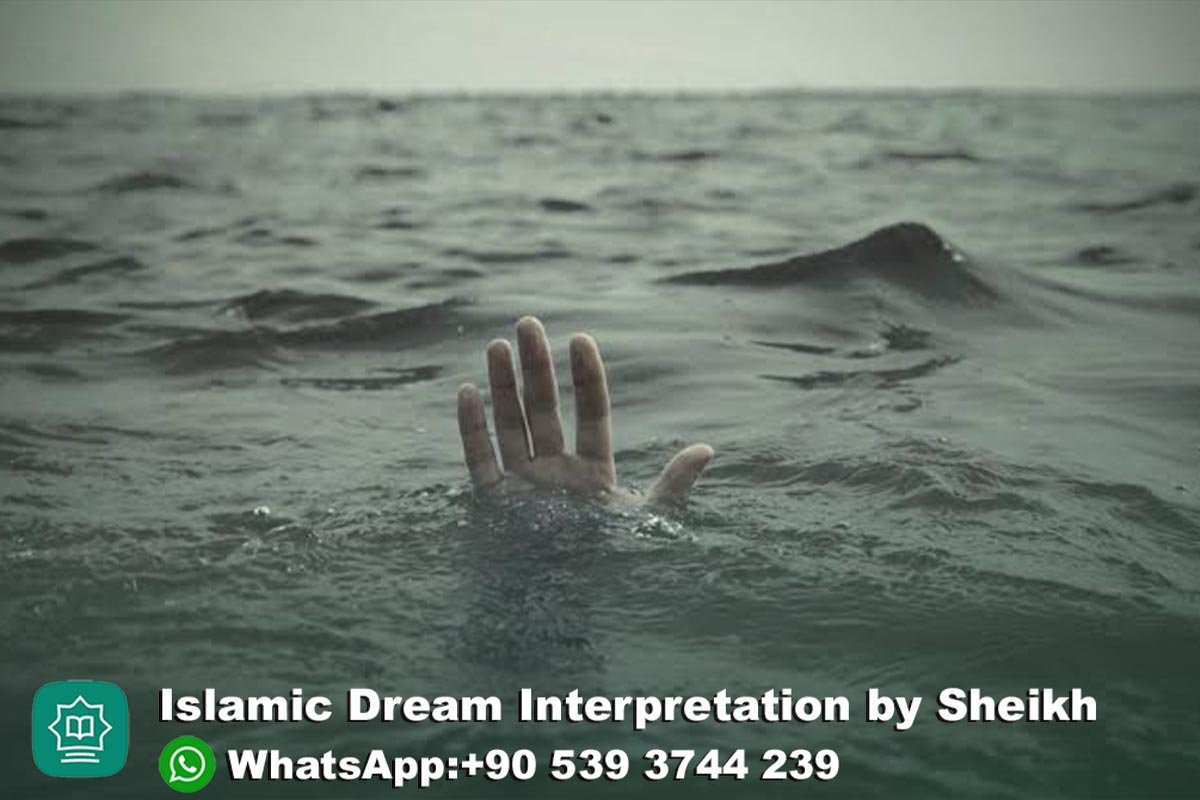
Dreaming about drowning can feel frightening, but Islam does not establish one fixed meaning for a drowning dream. Depending on the details, it may reflect fear, pressure, loss of control, or something occupying the dreamer’s mind rather than a literal warning about the future.
Islamic teachings themselves distinguish between different kinds of dreams. In Sahih Muslim, the Prophet Muhammad ﷺ describes dreams as including good dreams, distressing dreams, and dreams that arise from a person’s own thoughts. That distinction matters here because a drowning dream may sometimes say more about current stress, anxiety, or an overwhelming situation than about any symbolic prediction.
The details are therefore important. Drowning and escaping, being rescued, drowning in clear water, drowning in dirty or violent water, or watching someone else drown can all create very different contexts. Your emotional response during the dream and what is happening in your waking life should be considered before assigning it a religious or symbolic meaning.
Important Note: If drowning dreams are recurring or leaving you distressed, avoid assuming that they predict harm or that a serious event is about to happen. If you would like a more personalized interpretation based on the details of your dream, you can message us on WhatsApp at +90 539 374 42 39 and share the full context of what you saw. Our Sheikh can review the dream with you and offer guidance while keeping the interpretation within appropriate Islamic limits.
What Does Drowning in a Dream Mean in Islam?
A drowning dream can feel spiritually significant because water has strong religious associations, but Islam does not establish drowning in a dream as a fixed sign of sin, punishment, repentance, or future hardship. A more careful interpretation depends on what happened in the dream and what is happening in the dreamer’s waking life.
Later symbolic readings may connect drowning with feeling overwhelmed, losing control, becoming absorbed in a difficult situation, or struggling with pressures that seem larger than oneself. If the dreamer was drowning but escaped, reached land, or was rescued, that can support a different reading from a dream that ended in panic or helplessness.
Water itself has positive meanings in the Qur’an: Allah says that He made “every living thing from water” in Surah Al-Anbiya 21:30. But that Qur’anic symbolism should not be turned into a rule that overpowering water in a dream automatically means spiritual purification or a divine warning. The dream image may be religiously meaningful, symbolic, or simply reflect something occupying the person’s mind.
This distinction is especially important because the Prophet Muhammad ﷺ taught that dreams can come from different sources, including a person’s own thoughts and concerns. Sahih Muslim records this threefold distinction. A drowning dream that appears during a period of stress, fear, financial pressure, relationship conflict, or exhaustion may therefore reflect those waking concerns rather than predict what will happen next.
If the dream prompts sincere self-reflection, there is nothing wrong with turning to prayer, Qur’an, repentance, or seeking sound advice. But the dream itself should not be treated as proof that Allah is warning the dreamer about a specific sin or event. Likewise, istikhara should be used for seeking Allah’s guidance in a real decision, not as a method for decoding a drowning dream or waiting for a dream as the required answer.
The most useful questions are often practical ones: Were you rescued? Was the water calm or violent? Was it clear or dirty? Were you alone? Did you wake frightened or relieved? These details can change the symbolic reading considerably and should be considered before drawing any conclusion.

Dream of Drowning in a Car Islam
Dreaming of drowning inside a car combines two strong images: being trapped or overwhelmed by water and a vehicle associated with direction, movement, and personal control. Because cars are modern objects, this exact scenario cannot be directly attributed to classical interpreters such as Ibn Sirin.
A cautious symbolic reading is that the dream may reflect a situation in which you feel stuck on a path you are already committed to. The car can represent the direction of your waking life, while rising water may suggest pressure, fear, or circumstances that feel increasingly difficult to control. This may relate to work, finances, family responsibilities, or another area where you feel unable to “get out” easily.
It is also important to be careful with claims often attributed to Ibn Sirin. Many popular dream manuals circulated under his name long after his lifetime, and modern scholarship has shown that some influential works traditionally presented as his were actually written by later authors. American University of Beirut Press discusses one such work that was widely published under Ibn Sirin’s name but has now been critically attributed to another author. For that reason, it is safer not to claim that Ibn Sirin specifically taught that drowning in a car signifies sin, repentance, or divine mercy.
Likewise, the dream should not automatically be described as a wake-up call from Allah. Islamic teachings do not establish this specific dream as a divine warning. If the dream leaves you thinking seriously about your choices, worship, or priorities, using that moment for self-reflection, istighfar, salah, and du‘a can still be beneficial—but those acts are good in themselves, not because the dream proves that a spiritual danger is approaching.
The details matter most: Were you able to escape the car? Did someone rescue you? Was the water rising slowly or suddenly? Were you driving, trapped in the back seat, or unable to open the doors? These details can change the symbolic reading considerably and may be more informative than the image of the car alone.
Saving Someone From Drowning Dream Islam
Saving someone from drowning is often seen as a noble and spiritually uplifting sign. According to scholars like Ibn Sirin, such dreams may reflect the dreamer’s efforts to guide others toward righteousness, prevent them from falling into sin, or support them during times of spiritual or emotional distress. It signifies a heart inclined toward khayr (goodness) and a willingness to help others for the sake of Allah ﷻ.
This dream may also symbolize the dreamer’s role as a source of guidance or support in their community or family. Islam places great emphasis on nasiha (sincere advice) and helping others avoid harm — both physically and spiritually. Therefore, dreaming of rescuing someone from drowning can be interpreted as a divine encouragement to continue being a positive influence, upholding justice, and spreading beneficial knowledge, as the Prophet ﷺ said:
“Whoever relieves a believer’s distress in this world, Allah will relieve his distress on the Day of Judgment.” (Muslim)
Drowning in Flood Dream Islam
A dream of drowning in a flood can feel especially intense because the danger is not limited to one person; the water may seem to overwhelm an entire place. Symbolically, this may reflect pressure, chaos, loss of control, or a situation that feels larger than the dreamer can manage.
It is too strong, however, to say that a flood dream is automatically a sign of divine punishment, widespread sin, or unjust authority. Classical and later dream literature may connect destructive floods with hardship or social disorder, but individual claims attributed to Ibn Sirin should not be treated as verified unless a reliable early source can be identified.
The Qur’an does recount the flood in the story of Prophet Nuh, including the overwhelming waters and the drowning of those who rejected his message in Surah Hud 11:36–44. But that historical and Qur’anic event does not establish a general rule that every flood seen in a dream represents punishment or that the dreamer is caught in fitnah.
The details of the dream are more useful. Were you trapped by rapidly rising water, carried away by the current, trying to reach higher ground, or eventually rescued? Was the flood destroying everything around you, or did the water recede? These differences can shift the symbolic reading from helplessness and overwhelm toward survival, adaptation, or relief after a difficult period.
If the dream encourages you to reflect on your life, repentance, dhikr, and turning to Allah are beneficial acts in themselves. But they should not be presented as emergency remedies for a flood dream or as proof that Allah has sent a specific warning.
Dream of Drowning But Survived in Islam
In Islamic dream interpretation, seeing yourself drowning but ultimately surviving is a powerful sign of divine mercy and spiritual resilience. According to scholars like Ibn Sirin, such a dream may symbolize a believer going through intense trials, sins, or worldly temptations, yet being granted protection and a second chance by Allah ﷻ. Surviving the drowning indicates repentance, inner strength, and the possibility of spiritual renewal. It reflects the Qur’anic principle that no matter how deep one falls, Allah’s mercy is always near:
“And who despairs of the mercy of his Lord except for those astray?” (Qur’an 15:56).
Islamic Scholars’ Perspectives on Drowning Dreams
Islamic teachings recognize that dreams can sometimes carry meaning, but there is no single authenticated Islamic interpretation that makes drowning in a dream a fixed sign of sin, punishment, or repentance. Later dream literature often gives drowning a serious spiritual meaning, yet those readings need to be separated from what is actually established in the Qur’an and authentic Sunnah.
A Sign of Being Overwhelmed
A cautious symbolic reading is that drowning may reflect feeling overwhelmed by responsibilities, pressure, fear, or circumstances that seem difficult to control. This can include emotional strain, financial stress, family problems, or a sense of being consumed by worldly concerns.
Some later interpretations attribute similar meanings to Ibn Sirin, but those claims should not be presented as verified statements unless a reliable early source can be traced. As discussed earlier in this article, many detailed dream interpretations circulated under his name in later works.
A Warning or a Call to Repentance
A drowning dream should not automatically be described as a warning from Allah. Islam does not teach that a specific disturbing dream proves that punishment is approaching or that the dreamer is being directly warned about a particular sin.
The Qur’an does describe drowning as punishment in specific historical accounts. For example, Surah Nuh 71:25 states that the people of Nuh were drowned because of their sins. However, this verse describes a real Qur’anic event; it does not establish a general rule that seeing drowning in a dream means divine punishment.
If a dream leads someone to reflect on their actions, sincere repentance, prayer, and seeking forgiveness are always beneficial. They should be practiced because they are part of Islamic worship, not because the dream itself proves that Allah has issued a personal warning.
A Reflection of Inner Struggles
Drowning can also be understood as a symbolic reflection of inner conflict or spiritual pressure, especially if the dreamer currently feels torn between obligations, desires, or competing priorities.
At the same time, this does not mean that every drowning dream reveals a struggle between faith and sin. Islamic teachings explicitly acknowledge that some dreams arise from a person’s own thoughts and concerns. A stressful period, ongoing fear, or emotional exhaustion may therefore be enough to explain the imagery.
If the dream encourages greater attention to salah, dhikr, du‘a, or personal conduct, that reflection can be constructive. The key is to use the dream as an occasion for thoughtful self-examination rather than treating it as a definitive judgment about one’s spiritual state.
Spiritual Implications: Is It a Warning or a Test?
In Islam, every event in life—whether in the waking world or the realm of dreams—carries divine wisdom. A distressing dream, such as drowning, can leave one wondering: Is this a warning from Allah, or a test of faith? Understanding the spiritual implications of such dreams requires a deeper look into Islamic teachings and the messages Allah may be conveying through them.
Drowning in a Dream: A Warning from Allah?
At times, dreams can serve as warnings, urging believers to reflect on their spiritual state. In the Qur’an, Allah (SWT) warns against the dangers of being consumed by worldly distractions and sin:
“But whosoever turns away from My Reminder, verily for him is a life of hardship…”
(Surah Taha 20:124)
Scholars suggest that if one sees themselves drowning in dark or violent waters, it could be a sign that they are being overwhelmed by sins, heedlessness, or excessive attachment to the material world. Such a dream may indicate the need for repentance (Tawbah), seeking forgiveness (Istighfar), and returning to a life of obedience to Allah.
If a believer is drowning but struggling to reach the surface, it could symbolize an inner battle—one where faith is still alive but needs strengthening. This is a divine mercy, reminding the dreamer to seek guidance before it is too late.
A Test of Faith and Patience
Not all drowning dreams are warnings. Sometimes, they reflect the trials and tribulations that Allah (SWT) places in the life of a believer to test their patience and faith. The Qur’an states:
“Do the people think that they will be left to say, ‘We believe,’ and they will not be tested?”
(Surah Al-Ankabut 29:2)
If you dream of drowning but find yourself rescued or saved at the last moment, it can symbolize divine help arriving in difficult times. It is a reminder that hardships are temporary and faith will always be a lifeline for the believer. Such dreams encourage steadfastness in prayer, perseverance in trials, and trust in Allah’s wisdom.
How to Respond to a Drowning Dream?
Islamic scholars advise that believers take their dreams as opportunities for self-improvement, whether they are warnings or tests. Here’s what you can do:
- Increase Your Worship: Strengthen your connection with Allah through Salah (prayer) and the recitation of the Qur’an.
- Make Dua (Supplication): Ask Allah for guidance and clarity regarding your dream. Recite the prophetic supplication:
اللهم اجعل لي من أمري فرجاً ومخرجاً“ O Allah, make for me a way out and relief from my affairs.”
- Seek Forgiveness: If you feel the dream is a warning, increase in Istighfar (seeking forgiveness). Allah is the Most Merciful.
- Perform Istikhara: If you are uncertain about its meaning, perform Salat al-Istikhara and ask Allah for clarity.
- Consult a Knowledgeable Scholar: If the dream is recurring, reach out to a trusted Sheikh for interpretation.
When to Consult a Sheikh for an Accurate Dream Analysis?
Not every unusual or disturbing dream requires interpretation, and a Sheikh cannot determine with certainty that a dream is a divine message, warning, or test. Islamic teachings recognize that dreams may come from different sources, including a person’s own thoughts and concerns, so caution is important before assigning spiritual meaning.
Seeking guidance can still be useful when a dream is recurring, especially distressing, or difficult to understand in light of your circumstances. In those cases, a knowledgeable and trustworthy person can help you examine the dream without making claims that go beyond the Qur’an and authentic Sunnah.
A sound interpretation should avoid fear-based conclusions, guaranteed predictions, or statements such as “this definitely means punishment” or “Allah is warning you about this specific event.” The goal should be to understand the dream carefully, consider its context, and distinguish between established Islamic guidance and later symbolic interpretation.
If you would like a personalized review of your dream, you can message us on WhatsApp at +90 539 374 42 39. Share the details of what you saw, how you felt, and any relevant circumstances so the dream can be considered in context rather than reduced to a single symbol.
What to Do After a Frightening Drowning Dream
A drowning dream can leave you shaken, especially if you wake with fear, panic, or a sense of helplessness. Islam does not teach that a frightening drowning dream automatically predicts death, loss, punishment, or another real-world disaster. Before trying to decode every detail, it is more appropriate to follow the Prophetic guidance for dreams that cause distress.
The Prophet Muhammad ﷺ taught that if a person sees a dream they dislike, they should seek refuge with Allah from its evil and from Satan, spit lightly to the left three times, and avoid telling others about it. This guidance is recorded in Sahih al-Bukhari.
For a drowning dream, this matters because the imagery itself can be intense even when it has no predictive meaning. Sinking, being trapped underwater, or struggling to breathe may reflect stress, fear, exhaustion, or a waking situation that currently feels difficult to control.
If the dream keeps returning, compare it with your recent circumstances before assuming there is a hidden warning. Ongoing pressure, family concerns, financial stress, disrupted sleep, or fear about a particular situation may all influence dream content.
If the dream continues to cause significant distress or affects your sleep, it is reasonable to speak with someone you trust or a qualified health professional. Du‘a, dhikr, and seeking refuge with Allah can also provide comfort, but the dream itself should not be treated as proof that a specific danger is approaching.
Conclusion
A drowning dream can carry very different meanings depending on its details. Feeling trapped, escaping, being rescued, drowning in a flood, or saving another person should not all be interpreted in the same way. Islam does not establish one fixed meaning for drowning dreams, and they should not automatically be treated as warnings, punishment, or predictions about the future.
The safest approach is to consider the dream alongside your waking circumstances, emotional state, and the Islamic distinction between meaningful dreams, distressing dreams, and dreams connected to a person’s own thoughts. If the dream encourages reflection, prayer, repentance, or greater awareness of your choices, that can be beneficial without claiming that the dream itself carries a definite message from Allah.
Avoid relying on interpretations that create unnecessary fear or present uncertain symbolism as religious fact. If you want a personalized interpretation based on the full context of your dream, you can message us on WhatsApp at +90 539 374 42 39. Our Sheikh can review the details with you and offer guidance while keeping the interpretation within appropriate Islamic limits.