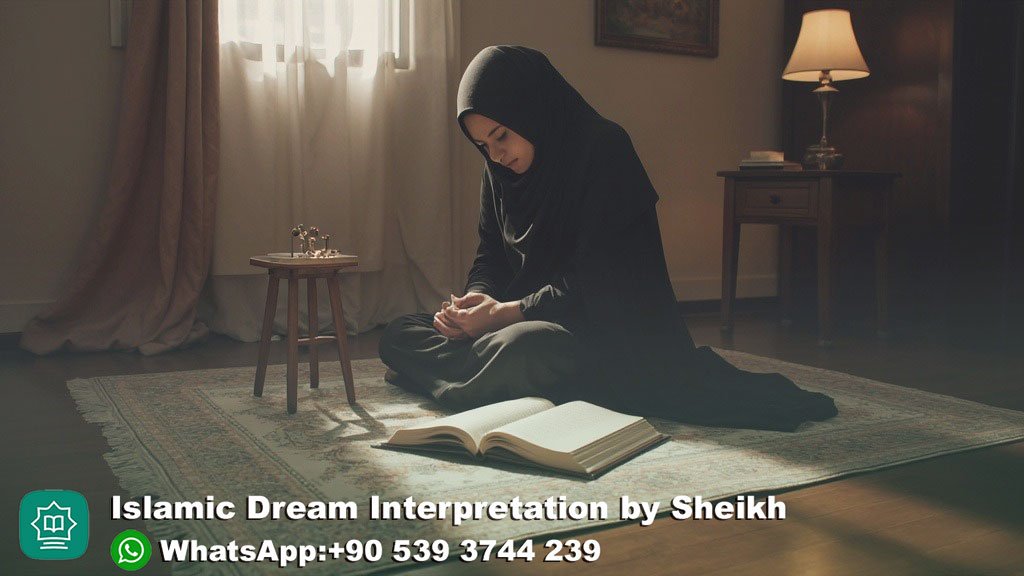
Istikhara for marriage means that when a person, after thinking, researching, and consulting, is still hesitant in their decision, they seek goodness from Allah so that the right path becomes clearer for them. Istikhara is not meant to replace knowing the other person, examining their morals, family investigation, or consultation; rather, it becomes meaningful when these stages have been completed, but the person’s heart has still not found peace. In marriage, because the decision is connected to the future, peace, and shared life of two people, Istikhara can help a person make a decision with greater reliance upon Allah and more confidence. For marriage Istikhara, you can either perform it yourself through common methods such as the Quran or tasbih, or you can message us on WhatsApp +905393744239 so that your Istikhara can be performed by a sheikh.
Correct Methods of Performing Istikhara for Marriage
Istikhara should not be the first step in choosing a spouse; rather, it is a stage for when reason, research, and consultation have already been completed, but a person’s heart is still uncertain between going ahead with a decision or not. In marriage, because the matter is not merely a simple choice and it involves the future of life, family, psychological peace, religion, morals, and the responsibilities of two people, Istikhara must be performed with a clear intention, the correct method, and without haste.
Istikhara with the Quran for Marriage
Istikhara with the Quran for marriage means that after defining the matter clearly, a person seeks goodness from Allah and then opens the Quran with a clear intention in order to understand, based on the meaning of the verse, whether continuing on this path is good or bad. For this, it is better for the intention to be precise from the beginning; for example: “Is marrying this person good for me or not?” Then, the person should be in a state of wudu, in calmness, and without rushing, asking Allah that if this marriage is good for their religion, life, peace, and future, He makes its path easy, and if it is not good, He turns their heart and path away from it.
After the dua and intention, the Quran is opened, and usually the first verse of the page, or the verse upon which the person’s eyes fall, is examined. If the meaning of the verse is about mercy, relief, guidance, support, peace, and a promise of goodness, the result is usually understood as positive; but if the verse is about punishment, blame, misguidance, conflict, regret, or a strong prohibition, the result is not considered suitable. Since understanding a verse is not possible by looking at only a few words, it is better for the result of marriage Istikhara with the Quran to be explained by a religious scholar or someone familiar with the meanings of the Quran.
Istikhara with Tasbih for Marriage
In this method, the intention must first be correct and clear, for example: “O Allah, if marriage to this person is good for my religion, life, and future, make it clear and easy for me, and if it is not good, turn me away from it.” Then, the person sends one salawat and takes the tasbih in their hand. After that, without counting the beads beforehand, they separate a section of the tasbih with their hand and begin counting the beads from that point.
This is done by reducing the beads two by two until, at the end, either one bead remains or two beads remain. If one bead remains, the result of the Istikhara is usually considered good, and if two beads remain, the result is not considered suitable.
Istikhara by a Religious Scholar or a Knowledgeable Person
When Istikhara is performed by a religious scholar, the person first states the matter briefly and clearly; for example, they say: “I want Istikhara for marriage to this person.” Then the religious scholar, with the intention of seeking goodness from Allah, usually performs Istikhara with the Quran, or sometimes with tasbih. In Istikhara with the Quran, he opens the Quran with a specific intention and, based on the meaning of the verse, its spiritual context, and the overall message of the verse, explains the result as good, bad, or moderate.
The main difference between Istikhara performed by a religious scholar and personal Istikhara is that he does not only look at the surface meaning of a few words; rather, he understands the meaning of the verse, the tone of the verse, its connection to the marriage decision, and the overall circumstances of the matter more deeply. For this reason, he usually explains the result in a simpler and more understandable way; for example, he may say that this marriage is suitable, it is better not to proceed with it, or it requires more care and further investigation.
In the end, for marriage Istikhara, you can either seek goodness from Allah yourself with a clear intention, peace of heart, and one of the common methods such as Istikhara with the Quran or tasbih, or you can entrust this matter to a knowledgeable person or religious scholar. If you are not sufficiently familiar with the method of Istikhara, understanding the verses of the Quran, or recognizing the result, referring to a sheikh can help the Istikhara result be explained to you more accurately, more clearly, and with greater peace of mind.
If you wish, you can contact us via WhatsApp to have marriage Istikhara performed by a sheikh: +905393744239.
How to Perform Istikhara with the Quran for Marriage
Step One: Define the Intention of Istikhara Precisely
In marriage Istikhara, the intention must be clear and specific. This means that a person should know in their heart exactly what they are performing Istikhara for; for example, “Does marriage to this person bring goodness for my religion, peace, future, and life or not?” The clearer the intention is, the clearer the understanding of the Istikhara result will also be. The essence of Istikhara is seeking goodness from Allah, because a person does not always know what is truly good for them, as the Quran says:
«وَاللَّهُ يَعْلَمُ وَأَنتُمْ لَا تَعْلَمُونَ»
It means that Allah knows and you do not know. Surah Al-Baqarah, verse 216
Step Two: Prepare with Calmness and Attention of the Heart
For Istikhara with the Quran, it is better for the person to sit with wudu, calmness, and attention of the heart, and to keep their mind away from haste, fear, or pressure from others. The goal is not merely to receive a quick answer, but to recognize the path of goodness better through reliance upon Allah. The Quran says about reliance upon Allah after decision and consultation:
«فَإِذَا عَزَمْتَ فَتَوَكَّلْ عَلَى اللَّهِ»
It means that when you have made a decision, then rely upon Allah. Surah Aal Imran, verse 159.
Step Three: Recite the Dua of Istikhara with the Quran
After the intention has been defined, the person can recite the dua of Istikhara with the Quran and ask Allah to make the true goodness of this marriage clear for them. One of the common duas for Istikhara with the Quran is:
«اَللّهُمَّ اِنّى تَفَأَّلْتُ بِكِتابِكَ، وَتَوَكَّلْتُ عَلَيْكَ، فَأَرِنِي مِنْ كِتابِكَ مَا هُوَ مَكْتُومٌ مِنْ سِرِّكَ الْمَكْنُونِ فِي غَيْبِكَ»
It means: O Allah, I have turned to Your Book and relied upon You; so show me from Your Book what is hidden of goodness and the right path within Your unseen knowledge.
Step Four: Open the Quran and Read the Verse
After the dua, the Quran is opened with a specific intention. In the common method, attention is given to the first verse on the right-hand page or to the verse upon which the person’s gaze first falls. Then the verse itself and the overall context of its meaning are read. If the meaning of the verse is about mercy, guidance, relief, faith, peace, support, blessing, or a promise of goodness, the result is usually understood as positive. If the meaning of the verse is about punishment, blame, misguidance, conflict, regret, or a strong prohibition, the result is usually not considered suitable.
Step Five: Match the Meaning of the Verse with the Matter of Marriage
In marriage Istikhara, seeing only one word is not enough; the overall message of the verse must be understood. For example, if the verse is about guidance, reform, mercy, or peace, it can be a sign of goodness in continuing on this path. But if the verse is about conflict, oppression, deception, hardship, or a bad outcome, it is usually not a good sign for continuing that decision. Since marriage is a sensitive matter, if the person does not properly understand the meaning of the verse, it is better to ask a religious scholar or someone familiar with the Quran about the result.
Step Six: Understand the Result Alongside Dua and Consultation
Istikhara with the Quran for marriage should be accompanied by dua, consultation, and reliance upon Allah. The Quran itself refers to consultation in matters:
«وَشَاوِرْهُمْ فِي الْأَمْرِ»
It means: Consult them in the matter. Surah Aal Imran, verse 159
For marriage, the beautiful Quranic dua is also:
«رَبَّنَا هَبْ لَنَا مِنْ أَزْوَاجِنَا وَذُرِّيَّاتِنَا قُرَّةَ أَعْيُنٍ»
It means: Our Lord, grant us from our spouses and our offspring comfort to our eyes. Surah Al-Furqan, verse 74.
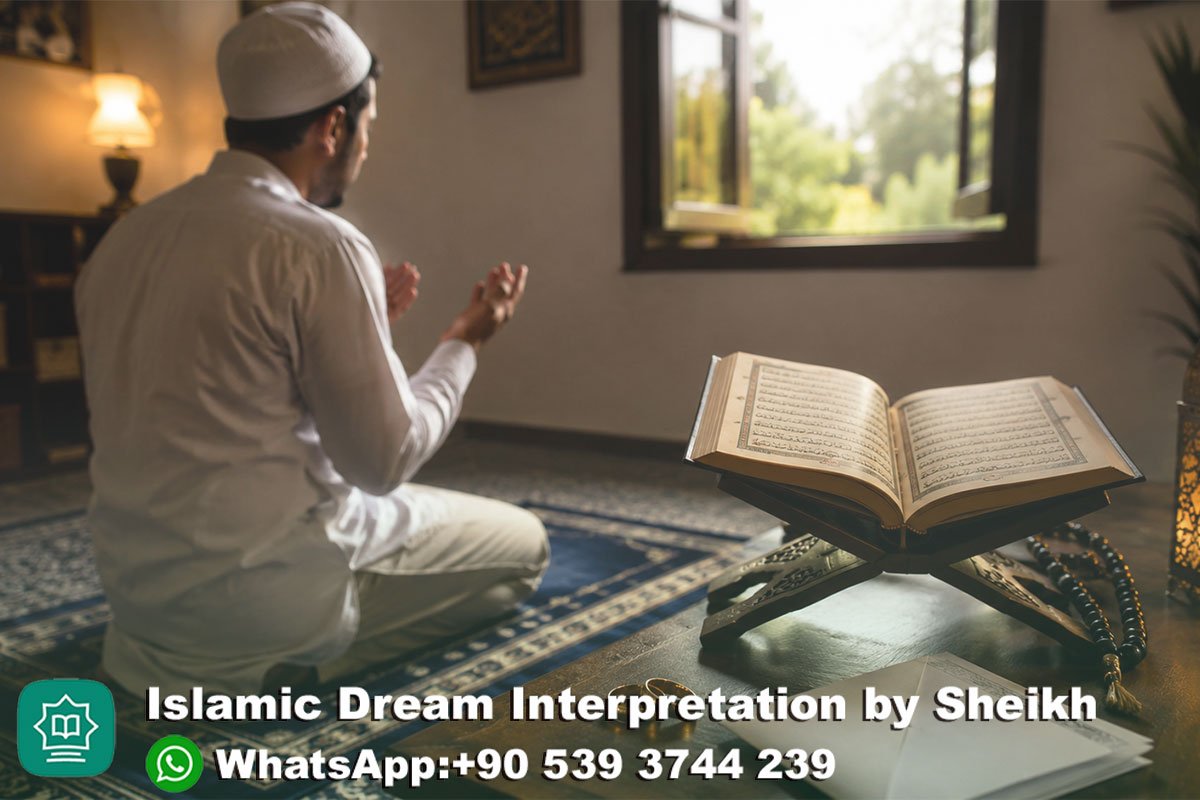
Why Is It Better for Istikhara to Be Performed by a Religious Scholar or Sheikh?
Istikhara for marriage is not only about opening the Quran or counting tasbih beads; an important part of it is understanding the result correctly. A religious scholar or sheikh is usually more familiar with the meanings of the verses, the overall context of the Quran, the tone of warning or glad tidings, and its connection to the matter of marriage. On the other hand, because emotions, attachment, fear, or family pressure can affect a person’s understanding in a marriage decision, a sheikh explains the result more objectively and accurately.
If we perform Istikhara ourselves without sufficient knowledge, we may misunderstand the verse, make a hasty interpretation based on only one word, interpret the result according to our own desire, or repeat Istikhara several times until we get the answer we want and become confused. For this reason, if you need Istikhara for your marriage decision, you can contact us via WhatsApp at 905393744239 so that your Istikhara can be performed by a sheikh and its result can be explained clearly and understandably.
Besides Istikhara, What Other Religious Matters Can Guide You in Marriage?
- Consulting with faithful and wise people: In Islam, consultation has an important place. For marriage, it is better to consult with family, experienced people, and those who are both religious and have real understanding of life.
- Examining the morals and religiosity of the other person: One of the most important religious criteria in marriage is morals, faith, honesty, and responsibility. Appearance, attachment, and financial conditions are important, but without good morals and religiosity, life will not remain peaceful.
- Making dua for choosing a righteous spouse: A person can ask Allah to grant them a spouse who brings them peace, growth, and closeness to Allah. The dua «رَبَّنَا هَبْ لَنَا مِنْ أَزْوَاجِنَا…» is one of the suitable duas for this matter.
- Paying attention to peace of heart after dua: Sometimes after dua, consultation, and investigation, a person’s heart becomes more at peace or more uneasy about a path. This peace should not be the only criterion, but it can be helpful alongside reason and research.
- Investigating the family and lifestyle of the other person: From a religious perspective, marriage is not only a bond between two people; it is also a connection between two families. Knowing the family, social behavior, lifestyle, and moral commitment of the other person is very important.
- Examining the rights of others and responsibility: Someone who is not responsible in work, family, promises, financial matters, and behavior with others may also create problems in married life. True religiosity is seen in daily behavior.
- Relying upon Allah after completing the investigations: After research, consultation, dua, and decision-making, a person should entrust their heart to Allah. Tawakkul means that a person fulfills their own duty and accepts the result with trust in the wisdom of Allah.
Is It Always Correct to Perform Istikhara for Marriage?
No, Istikhara for marriage is not always the first and most correct thing we should do. Istikhara has meaning when a person has first carried out understanding, research, conversation, examination of religious and moral criteria, and consultation with family or knowledgeable people, but still remains hesitant in their decision. If there is still not enough information about the other person, their family, morals, responsibility, living conditions, and the compatibility of the two people, it is better to examine these matters first, and then, if hesitation remains, perform Istikhara.
Also, when the answer to the matter is already clear, performing Istikhara is not necessary. For example, if there are serious signs of lying, irresponsibility, disrespect, addiction, betrayal, mistreatment, or severe religious and moral differences, a person does not need to leave everything to Istikhara. In such conditions, reason, religion, and experience have already made the path largely clear. On the other hand, if the conditions are suitable in terms of research and consultation, but a person’s heart is still not at peace between going ahead with the marriage or not, Istikhara can be helpful for seeking goodness and making the decision clearer.
Different Intents for Performing Istikhara for Marriage
- Istikhara for Accepting or Rejecting a Suitor
When a person does not know whether to give a positive answer to a suitor or whether it is better to stop this path from the very beginning. - Istikhara for Marriage to a Specific Person
This is for when there is a specific option, and the person wants to know whether marriage to that particular person is in their best interest or not. - Istikhara for Continuing a Relationship with the Intention of Marriage
When a relationship has started with the intention of marriage, but hesitation, worry, or uncertainty has appeared along the way. - Istikhara for Responding to a Marriage Proposal
This is used when a marriage proposal has been made and the person must announce their final answer. - Istikhara for Remarriage
This is for someone who has had a previous marriage experience and is now hesitant about starting a new married life. - Istikhara for Marriage After Emotional Failure or Divorce
When a person has been hurt by a past experience and wants to make a new decision with greater peace and confidence. - Istikhara for Marriage to Someone from Another City or Country
This is performed when cultural, family, language, or living-location differences have caused hesitation in the marriage decision. - Istikhara for Marriage Despite Family Opposition
When the family is against this marriage, and the person does not know whether continuing this path is right or whether they should give it up. - Istikhara for Marriage When the Person’s Heart Is Hesitant
This is for when the conditions apparently seem suitable, but the person’s heart has not yet reached a definite decision. - Istikhara for Engagement or Nikah
When the initial stages of getting to know each other and talking have been completed, and the person wants to seek goodness before the relationship becomes more formal. - Istikhara for Continuing or Ending an Engagement
This is for a situation where signs or doubts have appeared during the engagement period, and the person is not sure about the decision to continue or end it.
What Should Be Done Before Performing Istikhara?
- Define the matter of the decision precisely
Before Istikhara, you must know exactly what you are performing Istikhara for; for example, “marriage to this person,” not a general and vague intention about the future. - Have initial knowledge of the other person
First, the other person’s morals, behavior, family conditions, lifestyle, level of responsibility, and view of marriage should be known to an acceptable extent. - Investigate the person’s family and past
In marriage, knowing the family, behavioral background, social relationships, and personal reputation of the other person can clarify many uncertainties. - Consult with family or experienced people
The opinion of those who have experience and also want what is good for you can help ensure that the decision is not made only based on emotions or haste. - Examine the religious and moral criteria
Faith, honesty, purity of behavior, respect, commitment, and good morals are among the main criteria of marriage and should be examined before Istikhara. - Assess the important compatibilities of life
Matters such as family culture, financial situation, place of living, the purpose of marriage, having children, and communication style should be clarified as much as possible. - Discuss the main concerns
If there is an issue occupying your mind, it is better to ask about it before Istikhara so that the decision is not based on incomplete information. - Make dua and ask Allah for goodness
Before Istikhara, a person should ask Allah with a calm heart to show the right path and, if this marriage is good, to make it easy. - Choose the right time for Istikhara
Istikhara has better meaning when research and consultation have been done, but real hesitation still remains. - Be ready to accept the result
If someone is only looking for confirmation of their own desire, Istikhara will not bring them peace; it is better for it to be done with the intention of seeking goodness and with readiness to accept the result.
Conclusion
The most important part of Istikhara is that the result of the Istikhara is understood correctly; especially when Istikhara is performed with the Quran and understanding the verse requires familiarity with the meaning and context of the verses.
For the result of Istikhara to be more accurate and more reliable, it is better for Istikhara to be performed by a religious scholar or sheikh; because he can explain the result without emotional interpretation, with a better understanding of the verses, and in a way that is suitable for the matter of marriage. If you need Istikhara for your marriage, you can send a message via WhatsApp to 905393744239 so that your Istikhara can be performed by a sheikh.