
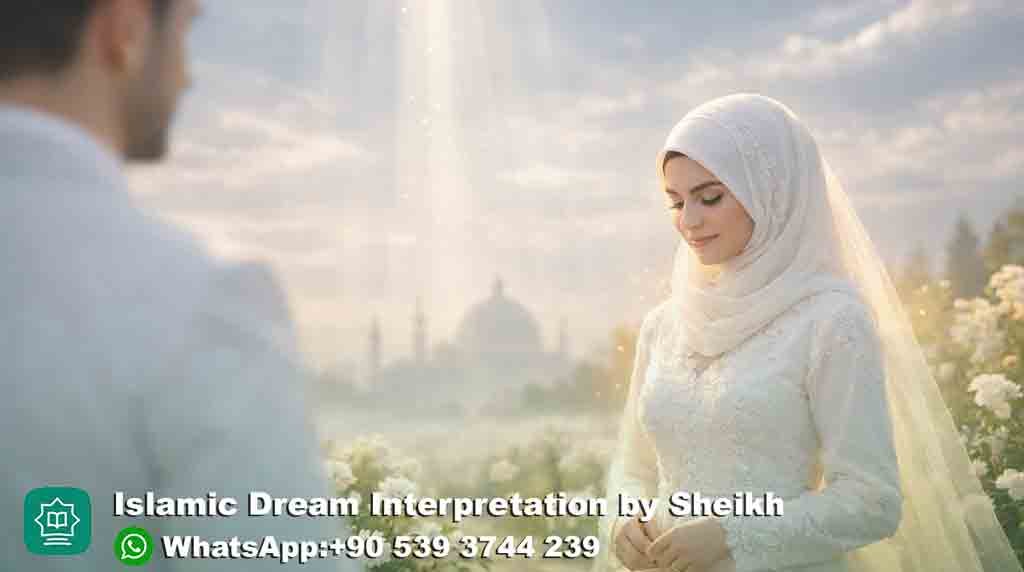
Dreaming of marriage when you are still unmarried can stir hope, confusion, or even quiet fear about what lies ahead. The Islamic dream interpretation of Unmarried Girl Getting Married in Dream Islam is rarely a simple yes-or-no message; at Best Istikhara, we understand how personal these visions feel and why many sisters wonder whether what they saw is glad tidings, a gentle warning, or a call to patience from Allah ﷻ.
Rooted in the Qur’an, the Sunnah, and the careful insights of classical scholars, our approach explains how meaning shifts with context: the dreamer’s state as a single woman, her feelings within the dream, the actions that unfolded, the colours worn such as black or white, the place whether in the house or a public gathering, and even the timing, including dreams seen after Fajr. This article moves steadily from core symbolic meanings to real-life scenarios and practical, faith-based steps, offering authentic, case-specific guidance in the Best Istikhara way.
This dream might have a serious meaning. If you want your dream interpreted personally by our Sheikh, send us a message on WhatsApp: +90 539 374 42 39.
Different Conditions of Unmarried Girl Getting Married in Dream Islam
| Different Conditions of Unmarried Girl Getting Married in Dream Islam | Islamic Interpretation |
|---|---|
| Unmarried girl getting married in dream Islam | This dream generally symbolizes a transition decreed by Allah ﷻ, such as entering a new phase of responsibility, provision, or spiritual maturity, rather than a literal marriage, and its meaning depends on the dreamer’s state, emotions, and context. |
| Single woman dreaming of getting married | For a single woman, marriage in a dream often reflects readiness for change, increased accountability, or relief after patience, especially if the dream is calm and dignified. |
| Unmarried girl marrying a known person in dream | Marrying someone known usually points to a connection, responsibility, or shared matter linked to that person, which may be beneficial or cautionary depending on the dream’s tone and conduct. |
| Unmarried girl marrying a stranger in dream Islam | Marriage to an unknown person often symbolizes the unseen decree of Allah ﷻ, such as a new opportunity, provision, or test whose outcome depends on obedience and trust. |
| Dream of forced marriage for unmarried girl | A forced marriage in a dream may warn of pressure, reluctance, or obligations being accepted unwillingly, calling for reflection, tawbah, and seeking Allah’s guidance. |
| Happy marriage dream for unmarried girl | Feeling happiness and peace in the dream is usually a positive sign of ease, lawful joy, or a blessing approaching, especially when modesty and propriety are present. |
| Crying or fear during marriage dream | Fear or crying can indicate inner conflict, anxiety about responsibility, or unresolved issues, serving as a reminder to return to Allah ﷻ with duʿāʾ and istighfār. |
| Unmarried girl wearing white dress in marriage dream | Wearing white often symbolizes purity of intention, sincerity, and lawful hopes, suggesting goodness if accompanied by calm and upright behaviour. |
| Unmarried girl wearing black dress in marriage dream | A black dress may reflect burden, seriousness, or concern, and its meaning depends on whether the dream feels dignified or distressing. |
| Marriage dream without celebration or music | A quiet marriage without excess often carries a positive meaning of dignity, stability, and lawful responsibility blessed by Allah ﷻ. |
| Marriage dream with loud celebration | Excessive celebration may signal heedlessness or imbalance, cautioning the dreamer to guard modesty and correct intentions. |
| Unmarried girl getting married at home in dream | Being married in the house usually points to family matters, protection, or changes within the household that require wisdom and patience. |
| Unmarried girl getting married in mosque dream | Marriage in a masjid is a strong symbol of righteousness, lawful intention, and blessings connected to faith and obedience. |
| Repeated dream of getting married | Repeated marriage dreams often indicate an unresolved message, urging reflection, rectification, or preparation rather than predicting immediate events. |
| Dream of marriage seen after Fajr | Dreams after Fajr are often clearer and more meaningful, potentially pointing to truthful guidance if the dreamer is consistent in worship. |
| Unmarried girl marrying older man in dream | This may symbolize wisdom, support, or responsibility, not necessarily romance, and can reflect seeking stability or guidance. |
| Unmarried girl marrying young man in dream | Marrying a young man may represent new beginnings, energy, or emerging opportunities requiring careful direction. |
| Unmarried girl marrying married man in dream | This can point to complex responsibilities, shared burdens, or caution against entanglement in unclear matters. |
| Unmarried girl marrying relative in dream | Marriage to a relative often symbolizes strengthening ties, shared duties, or matters connected to family trust and obligation. |
| Engagement or nikah only in dream | Seeing only engagement or nikah may indicate intention, planning, or preparation for a commitment not yet fully realized. |
| Marriage dream followed by regret | Regret after marriage in a dream often warns of hasty decisions or misaligned intentions, calling for istikhārah and patience. |
| Marriage dream followed by peace and calm | Peace after the marriage scene usually signifies acceptance of Allah’s decree and reassurance toward what is coming. |
| Unmarried girl refusing marriage in dream | Refusal may reflect hesitation, fear of commitment, or a need to reassess priorities and seek Allah’s guidance. |
| Unmarried girl marrying and feeling trapped | Feeling trapped can symbolize burdens or obligations taken without readiness, urging tawbah and careful reassessment. |
| Unmarried girl marrying and feeling honoured | Feeling honoured suggests elevation, dignity, or provision granted by Allah ﷻ through lawful means. |
| Unmarried girl dreaming of marriage frequently | Frequent dreams of marriage point to a dominant concern or approaching change that requires spiritual grounding and clarity. |
| Unmarried girl dreaming of secret marriage | A secret marriage may symbolize hidden intentions, private struggles, or matters needing transparency and sincerity before Allah ﷻ. |
| Unmarried girl marrying and then separating in dream | Separation after marriage can indicate fear of loss, instability, or lessons about commitment and reliance on Allah ﷻ. |
| Unmarried girl marrying with parents present | Parents’ presence often reflects family involvement, approval, or responsibilities tied to familial expectations. |
| Unmarried girl marrying without wali in dream | This may warn of acting without proper guidance or support, reminding the dreamer to seek counsel and lawful structure. |
| Unmarried girl marrying and feeling confused | Confusion highlights uncertainty in real life, encouraging duʿāʾ, istikhārah, and patience. |
| Unmarried girl marrying and feeling relieved | Relief signifies ease after hardship and reassurance from Allah ﷻ when accompanied by upright conduct. |
| Unmarried girl dreaming of marriage before decision | Such dreams may reflect contemplation and the need to seek Allah’s guidance before committing. |
| Unmarried girl dreaming of marriage during hardship | During hardship, marriage dreams often symbolize hope, relief, and Allah’s promise of ease after difficulty. |
| Unmarried girl dreaming of marriage without groom | Absence of a groom may indicate unclear outcomes or reliance on Allah’s unseen decree rather than specific people. |
| Unmarried girl marrying and feeling pressured | Pressure reflects external expectations or inner conflict, calling for reflection and strengthening reliance on Allah ﷻ. |
| Unmarried girl dreaming of marriage and happiness after sabr | This points to reward after patience and trust, suggesting goodness if the dream aligns with modesty and faith. |
| Unmarried girl dreaming of marriage and waking anxious | Anxiety upon waking often signals the need for istighfār and duʿāʾ to seek protection and clarity. |
| Unmarried girl dreaming of marriage and light surroundings | Light surroundings symbolize guidance, clarity, and blessings connected to faith and sincerity. |
| Unmarried girl dreaming of marriage and darkness | Darkness may symbolize uncertainty or spiritual heaviness, urging repentance and increased remembrance of Allah ﷻ. |
| Unmarried girl dreaming of marriage while praying istikhārah | Such a dream may reflect inner processing rather than a final sign, reminding the dreamer to continue trusting Allah’s decree. |
| Unmarried girl dreaming of marriage and new home | A new home often symbolizes change, stability, or a new stage of life requiring responsibility. |
| Unmarried girl dreaming of marriage and broken ceremony | A broken ceremony can indicate obstacles or lessons before ease, calling for patience and steadfastness. |
| Unmarried girl dreaming of marriage and smiling | Smiling suggests contentment and acceptance of Allah’s will, often a positive sign when paired with modesty. |
| Unmarried girl dreaming of marriage and silence | Silence may represent seriousness, contemplation, or a matter unfolding quietly by Allah’s wisdom. |
| Unmarried girl dreaming of marriage and chaos | Chaos warns of disorder or misalignment, encouraging the dreamer to restore balance through obedience and duʿāʾ. |
| Unmarried girl dreaming of marriage and clarity | Clarity in the dream often reflects inner readiness and reassurance granted by Allah ﷻ. |
| Unmarried girl dreaming of marriage and hesitation | Hesitation points to unresolved doubts, urging istikhārah and seeking counsel. |
| Unmarried girl dreaming of marriage as sign | Overall, such dreams are signs to reflect, correct intentions, and trust Allah’s decree rather than rely on assumptions. |
What This Dream Means in Islamic Interpretation
What This Dream Means in Islamic Interpretation focuses on viewing marriage in dreams as a sign of transition, responsibility, and the unfolding of Allah’s decree, rather than a literal announcement of a wedding. For an unmarried girl, scholars such as Ibn Sīrīn regarded marriage dreams as indicators of entering a new phase, which may involve emotional maturity, increased provision, protection, or a binding commitment in worldly or spiritual matters. When the vision carries calm happiness, modest behaviour, and lawful imagery, it often points to good news, such as ease after difficulty, honour, or an opening toward a permissible path blessed by Allah ﷻ. Dreams marked by serenity, particularly those seen after Fajr, and set in dignified places like the house or a masjid, tend to reinforce positive meanings, while clean colours such as white or green suggest sincerity and purity of intention.
At times, the same symbol serves as a warning. When fear, pressure, or improper actions dominate the dream, it may point to burdens, rushed decisions, or attachments that distract from obedience. Scholars cautioned that uneasy emotions, chaotic scenes, or harsh black tones can reflect inner conflict, neglected duties, or a need to realign one’s path. In such moments, the response is not alarm but correction through sincere tawbah, steady istighfār, giving ṣadaqah, and repairing family ties, seeking Allah’s mercy to turn the sign toward goodness.
Meaning is always shaped by context: the dreamer’s state as a single woman, her emotions, the presence or absence of celebration, and the timing of the vision. A Sunnah-guided response begins with dhikr, heartfelt duʿāʾ for clarity and خير, performing istikhārah before major choices, and moving forward through lawful means with patience and trust in Allah’s wisdom. The takeaway is to receive this dream as an invitation to strengthen faith, purify intention, and advance through obedience and reliance upon Allah ﷻ.
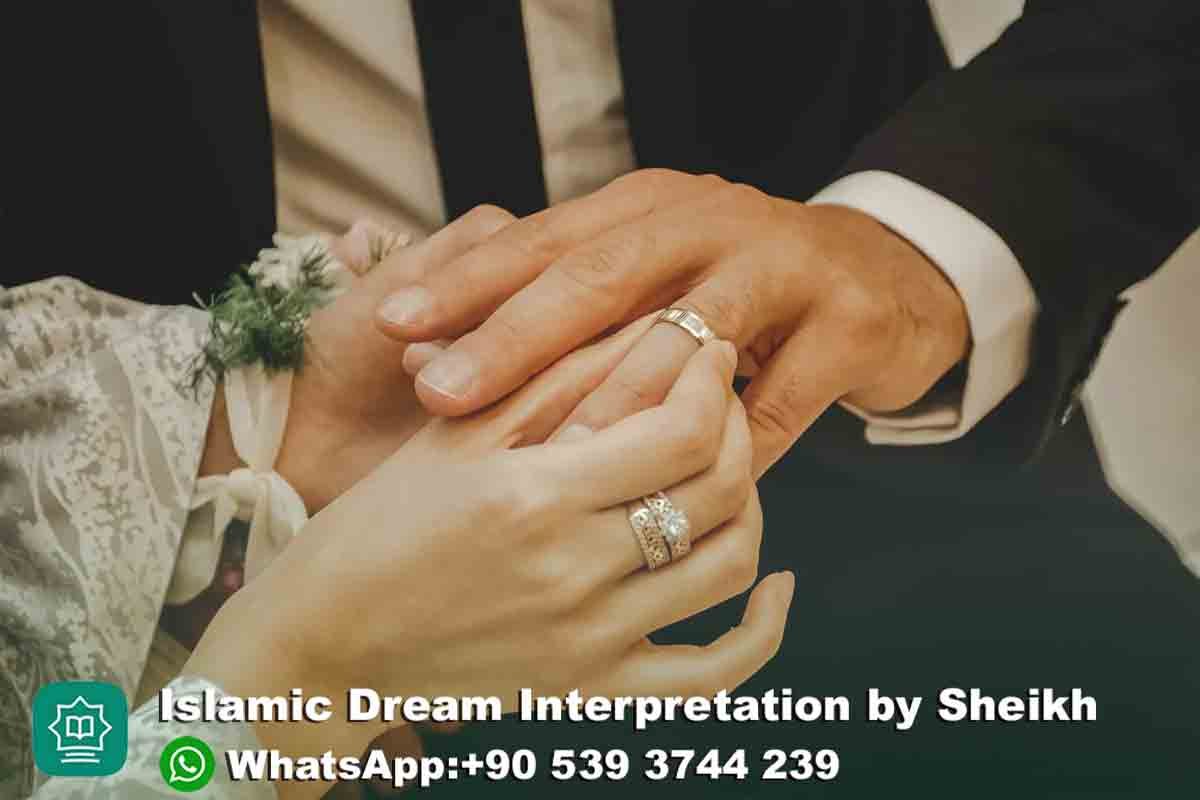
Positive vs Negative Meanings of Marriage Dreams
Positive vs Negative Meanings of Marriage Dreams require balance, as one symbol may carry glad tidings or act as a caution depending on its signs and the dreamer’s standing before Allah ﷻ. For an unmarried girl, scholars like Ibn Sīrīn and al-Nābulsi explained that a calm, dignified marriage scene often signals الخير, such as relief after hardship, an increase in provision, protection, or readiness for a lawful commitment. Joy that remains measured, modest conduct, and clear settings like being in the house or a respectful gathering support positive interpretations, as do gentle colours like white or green and dreams that occur after Fajr. Such visions invite gratitude, hopeful duʿāʾ, and careful preparation through lawful means, while keeping humility and reliance upon Allah’s decree.
By contrast, negative signs appear when distress, confusion, or improper behaviour dominate the dream. Fear, coercion, excessive celebration, or dark colours such as heavy black may reflect burdens, pressure from others, or spiritual imbalance rather than approaching happiness. Scenes that feel aggressive rather than friendly, or that involve shame or loss of control, can point to unresolved matters, heedlessness, or attachments pulling the heart away from obedience. In these cases, the dream becomes a mercy, calling the believer back to Allah ﷻ through sincere tawbah, frequent istighfār, quiet ṣadaqah, and mending strained family ties so difficulties do not deepen into harm.
Context remains decisive: the emotions felt, the conduct of those present, the place, and the dreamer’s own condition as a single woman seeking guidance. The Prophetic way is to wake with dhikr, make duʿāʾ for what brings benefit, perform istikhārah before major steps, and proceed patiently along halal paths with trust in Allah’s wisdom. The takeaway is to read marriage dreams as encouragement or correction, then respond righteously so every sign becomes a means of drawing closer to Allah ﷻ.
Repeated Marriage Dreams
Repeated Marriage Dreams often suggest that the message of the vision has not yet been fully understood or acted upon, rather than pointing to immediate events. Scholars observed that repetition strengthens meaning, showing insistence or urgency tied to the dreamer’s state before Allah ﷻ. For an unmarried girl, seeing marriage again and again may reflect an approaching transition, an unresolved intention, or a concern that continues to occupy the heart. When these recurring dreams remain calm, friendly in tone, and consistent in setting, especially if they appear after Fajr, they can indicate ease ahead, readiness for responsibility, or the opening of a lawful door at its proper time.
At other times, repetition carries a warning. If each occurrence brings fear, pressure, or confusion, scholars such as Ibn Sīrīn advised caution, as the soul may be signalling imbalance, neglected obligations, or hesitation toward a matter that needs clarity. Harsh colours like heavy black, chaotic surroundings, or forced actions can point to inner conflict rather than encouragement. Here, repetition is itself a mercy, urging correction through sincere tawbah, steady istighfār, giving ṣadaqah discreetly, and repairing strained family ties so the heart becomes open to guidance.
Context remains central when weighing repeated visions: the emotions felt, the place whether in the house or somewhere unfamiliar, and the dreamer’s consistency in obedience. A Sunnah-based response begins with dhikr upon waking, followed by duʿāʾ that Allah ﷻ grants clarity and what is best, and istikhārah if a real decision is pending, while continuing lawful efforts with patience and restraint. The takeaway is that recurring dreams call for reflection and righteous action, so obedience transforms insistence into tranquillity and guidance from Allah ﷻ.
Dreams Seen After Fajr
Dreams Seen After Fajr hold particular weight in Islamic understanding, as this time follows ṣalāh and remembrance, when the heart is closer to awareness of Allah ﷻ. Scholars such as Ibn Sīrīn noted that visions after dawn are often more ordered and meaningful, especially when one has prayed, avoided heedlessness, and returned to rest with a clear intention. For an unmarried girl who sees herself getting married at this time, the dream may point to readiness, relief, or a forthcoming change decreed by Allah, especially if the scene is calm, friendly, and free from excess.
When such a vision brings peace, modest joy, and upright actions, it may be glad tidings of ease after patience, clarity after confusion, or an opening toward lawful responsibility. Gentle colours like white or green, familiar places such as the house, and a composed atmosphere strengthen positive meaning. Yet even after Fajr, a dream can act as a warning if distress, darkness, or improper conduct appear. Fear, coercion, or heavy black tones may signal unresolved inner struggles, delayed repentance, or attachments needing correction. In this case, the timing itself reflects mercy, inviting purification through sincere tawbah, frequent istighfār, giving ṣadaqah, and repairing bonds that weigh on the heart.
Meaning is shaped by emotion, action, and consistency in obedience. The Prophetic response is to remember Allah upon waking, make duʿāʾ that what was seen becomes خير or is turned away if harmful, and perform istikhārah before real-life choices, while continuing lawful efforts with patience and trust. The takeaway is that dreams after dawn invite gratitude and reflection, guiding the believer to align intention and action so clarity leads to righteous progress by Allah’s permission.
Practical Steps After Seeing This Dream
Practical Steps After Seeing This Dream begin by grounding the heart in remembrance and restraint, recognising that marriage imagery calls for reflection rather than haste. Upon waking, engage in dhikr and praise Allah ﷻ, asking that what was seen becomes a source of الخير or is diverted if harmful. When the dream brings comfort, friendly emotions, and upright actions, respond with gratitude through increased duʿāʾ and careful preparation for lawful change, while guarding modesty and patience. If anxiety, darkness, or pressure arise, slow down and examine your state before Allah, avoiding impulsive decisions driven by emotion alone.
Scholars advised that unsettling visions call for rectification, not fear. Sincere tawbah, consistent istighfār, giving ṣadaqah even in small amounts, and mending family ties cleanse the heart and invite mercy. Context guides the response: a calm dream after Fajr with gentle colours like white may signal readiness, while distressing scenes, harsh black tones, or improper settings suggest inner imbalance. Take time to reflect on conduct, obligations, and intentions, ensuring daily actions align with obedience and trust in Allah’s decree.
A decisive step is performing istikhārah when real-life choices related to marriage, work, or commitment arise, seeking Allah’s guidance without forcing outcomes. Alongside this, pursue lawful means with dignity, consult wise and trustworthy people, and maintain regular ṣalāh to steady the heart. The Prophet ﷺ taught reliance upon Allah alongside proper effort, so balance spiritual work with responsibility. The takeaway is to answer such dreams with remembrance, repentance, and patient action, allowing Allah ﷻ to guide the outcome toward what is best in this life and the next.
Common Misconceptions About Marriage Dreams in Islam
Common Misconceptions About Marriage Dreams in Islam often appear when symbolic visions are taken as literal promises or feared as fixed outcomes. A common misunderstanding is believing that seeing marriage guarantees an immediate wedding, whereas scholars like Ibn Sīrīn explained that such dreams more often point to responsibility, transition, or changes in provision. Another mistake is assuming every pleasant scene is pure good news; joy mixed with immodesty or excess may still signal heedlessness, while a sober, dignified vision can carry deeper blessing. Likewise, distress in a dream does not automatically mean harm but may be a merciful warning inviting correction.
Another misconception is focusing on a single detail, such as colour or place, as decisive on its own. In reality, context governs meaning: white or green often suggest purity, while heavy black can reflect burden, yet emotions, actions, and timing remain central. A calm dream after Fajr with upright conduct differs greatly from a chaotic one at other times. Some also overlook the dreamer’s state, assuming meanings apply equally to everyone; scholars stressed that interpretation varies for a single woman, a married woman, or even a man, depending on obedience, intention, and circumstance.
These misunderstandings can lead to hasty decisions or unnecessary anxiety. The Sunnah teaches a measured response: wake with dhikr, make duʿāʾ that Allah ﷻ brings benefit from what was seen, and turn to istighfār if the heart feels unsettled. When a real choice is present, perform istikhārah and pursue lawful means with patience. If imbalance is hinted, acts of tawbah, ṣadaqah, and mending ties restore clarity. The takeaway is to approach marriage dreams with knowledge and humility, responding through obedience and trust so Allah ﷻ directs their meaning toward الخير.