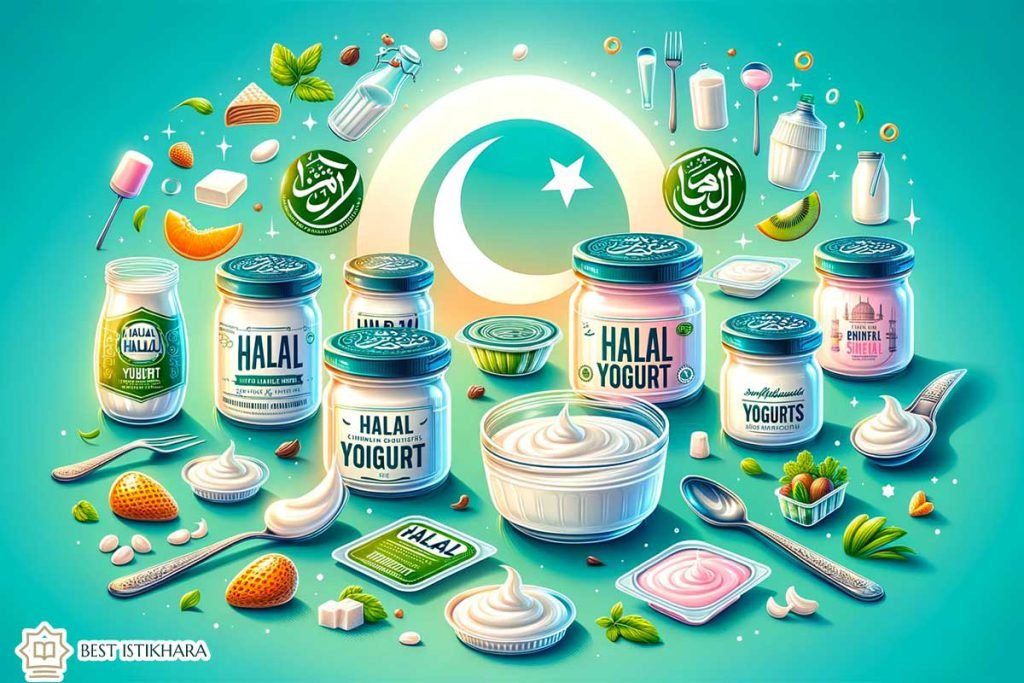
In the quest for dietary compliance with Islamic principles, Muslims around the world strive to ensure that every aspect of their consumption aligns with Halal standards. Yogurt, a staple in many diets, is no exception. However, not all yogurts on the market meet Halal requirements due to the inclusion of various additives, gelatins, or enzymes of dubious origins. This guide aims to illuminate the path to selecting Halal yogurts, ensuring they are pure, permissible, and in harmony with Islamic dietary laws. Click to get more information about halal vs haram topics discussed in today’s world.
Understanding Halal Yogurt
Halal, meaning lawful or permissible in Arabic, is a term that extends far beyond the simplistic notion of food being pork-free or alcohol-free in Islam. It encompasses a series of rigorous ethical, dietary, and hygienic standards. For yogurt to be considered Halal, it must meet several criteria:
- Ingredients: All ingredients must be Halal, with no presence of haram (forbidden) substances such as alcohol or pork-derived gelatin.
- Enzymes and Cultures: The bacteria cultures used in yogurt production must not be derived from prohibited sources. Additionally, any enzymes used to thicken or flavor the yogurt should be plant-based or microbial rennets, rather than animal-based unless explicitly Halal-certified.
- Cross-Contamination: There should be strict avoidance of cross-contamination with non-Halal products during the manufacturing process.
Identifying Halal Yogurts
- Look for Certification: The most straightforward method to ascertain the Halal status of yogurt is to look for an official Halal certification on the packaging. Such certifications are issued by recognized Islamic bodies that verify the product’s compliance with Halal standards.
- Read Ingredients Carefully: In the absence of Halal certification, scrutinize the ingredient list for any haram substances. Be wary of ambiguous terms like “gelatin” (unless specified as fish or Halal-certified) or “natural flavors” which could contain alcohol-based extracts.
- Choose Plain Over Flavored: Plain yogurts are more likely to be Halal since they contain fewer additives. Flavored or fruit yogurts may include alcohol-based flavorings or gelatin in the fruit preparations.
Recommended Halal Yogurt Brands
While brand recommendations can vary regionally, some globally recognized brands often offer Halal-certified yogurt options. Consumers are encouraged to look for local or international brands that carry a Halal certification mark. Additionally, organic and vegan yogurt brands tend to use plant-based ingredients, making them a safer choice for Muslims seeking Halal options.
Making Your Own Halal Yogurt
For those who prefer a more hands-on approach, making yogurt at home is a simple and effective way to ensure it meets all Halal requirements. This involves using Halal-certified milk and starter cultures, thereby controlling the ingredients and cross-contamination risks.
Conclusion
In the pursuit of a Halal diet, Muslims must navigate a landscape filled with both challenges and opportunities. Selecting Halal yogurt involves careful scrutiny of ingredients, certifications, and manufacturing processes. By adhering to the guidelines outlined above, consumers can enjoy the nutritional benefits of yogurt without compromising their faith. As the demand for Halal products continues to grow, it is hopeful that more brands will embrace transparent labeling practices, making the journey towards Halal consumption easier for all.