In the quest for maintaining a halal dietary lifestyle, Muslims around the globe scrutinize food ingredients to ensure their consumption aligns with Islamic dietary laws. One such ingredient that frequently raises questions is E472, a category of emulsifiers used in various food products. This article delves into the halal status of E472, offering insights based on Islamic dietary principles to guide Muslims in making informed dietary choices. Click to get more information about halal vs haram topics discussed in today’s world.
Understanding E472
E472 refers to a group of esters, which are used as emulsifiers and stabilizers in the food industry. These compounds are derived from fatty acids and include several types, such as E472a (acetic acid esters), E472b (lactic acid esters), E472c (citric acid esters), and so forth. They are commonly found in baked goods, dairy products, and numerous processed foods to enhance texture and extend shelf life.
The Halal Status of E472
The halal status of E472 depends on the source of the fatty acids used in its production. Islamically, any ingredient derived from halal (permissible) sources is considered halal, whereas those derived from haram (forbidden) sources, such as pork or alcohol, are deemed haram.
- Animal-Based Sources: If the fatty acids are derived from pork or non-halal slaughtered animals, the resulting E472 is unequivocally haram.
- Plant-Based or Synthetic Sources: When derived from plant sources or synthesized chemically without involving haram ingredients, E472 is considered halal.
- Halal-Certified Sources: Products containing E472 with a halal certification have been scrutinized by a certifying body to ensure all ingredients, including E472, comply with halal standards.
The Importance of Verification
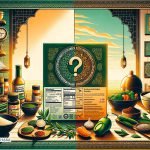
Given the complexity of food processing and the variety of sources from which E472 can be derived, it is imperative for Muslim consumers to seek products with clear halal certification. This certification serves as an assurance that the product meets Islamic dietary laws, including the halal integrity of E472 and other ingredients.
Conclusion
The halal status of E472 is not black and white; it varies based on its source. To adhere to Islamic dietary laws, Muslims are encouraged to opt for products with transparent ingredient lists and, more importantly, valid halal certification. By doing so, they can enjoy the diverse offerings of the global food market while staying faithful to their dietary beliefs. In navigating the complexities of modern food ingredients like E472, the Muslim community must remain vigilant, informed, and supportive of halal-certified products. This not only upholds religious obligations but also promotes ethical and conscious consumption.