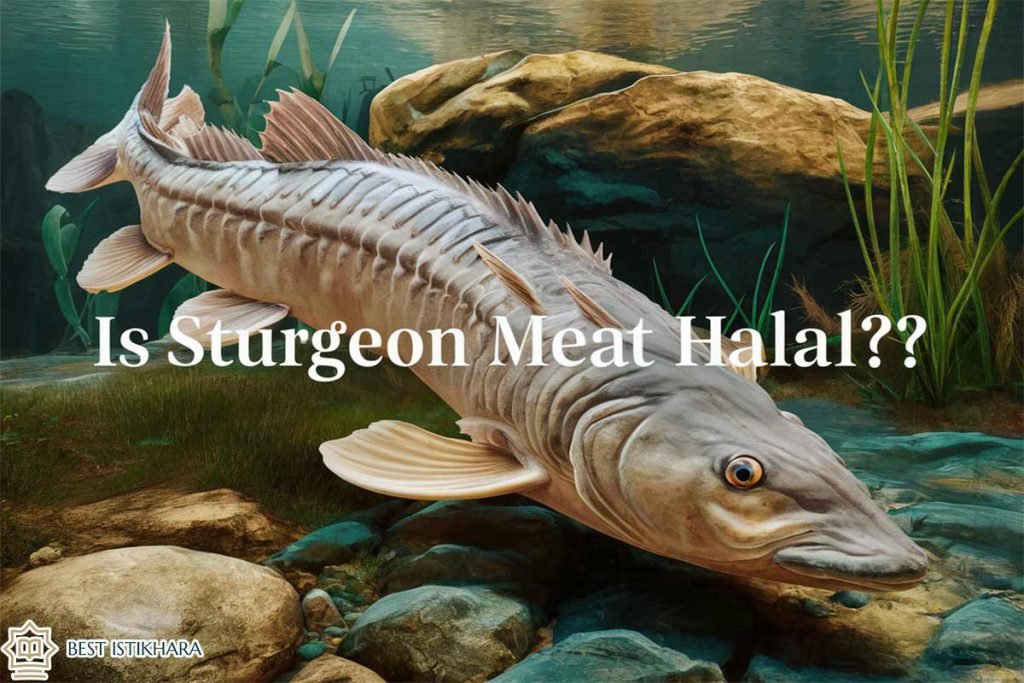
The question of whether sturgeon meat is halal is a topic of significant interest and debate among Muslims. Sturgeon is a unique and ancient fish, highly prized for its meat and caviar, but its halal status is not straightforward. Islamic dietary laws specify that for fish to be considered halal, it must have scales that are easily removable without cutting into the flesh. This criterion has led to varying interpretations among Islamic scholars about the permissibility of sturgeon, as sturgeon have a different type of scale known as scutes, which are bony plates embedded in the skin. Additionally, the method of catching and processing sturgeon can affect its halal status. Understanding these nuances is crucial for Muslims seeking to adhere to dietary laws while enjoying sturgeon products. This section will delve into the intricacies of these dietary regulations and how they apply to sturgeon meat, providing a comprehensive overview for readers. Click to get more information about halal vs haram topics discussed in today’s world.
What Makes a Fish Halal?
In Islam, dietary laws known as halal guidelines dictate what is permissible for Muslims to consume. For a fish to be considered halal, it must meet specific criteria:
- Presence of Scales: The most widely accepted criterion is that the fish must have scales. This is derived from interpretations of Islamic texts that specify fish with scales as permissible. Fish such as salmon, trout, and cod, which have easily removable scales, are typically considered halal.
- Method of Capture: The fish must be alive when caught. It should not be dead before extraction from the water. This ensures that the fish is fresh and has not died from natural causes or diseases.
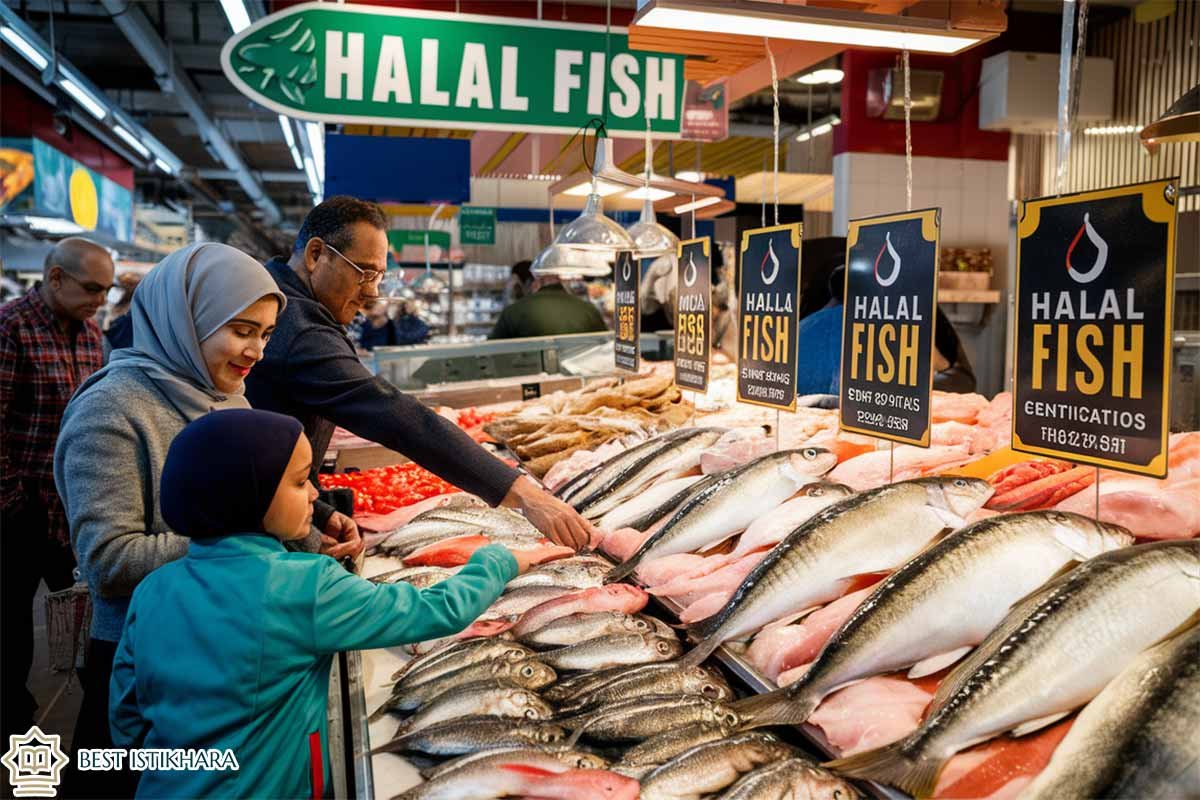
- Slaughter Process: While fish do not require the same slaughter process as land animals, they must be handled humanely. The method of slaughter should be quick to minimize suffering, ensuring the fish’s major blood vessels are severed without cutting the spinal cord.
- Safety and Cleanliness: The fish must not be harmful or toxic. Consuming harmful species, such as those that may contain toxins or are considered poisonous, is not allowed. Additionally, the fish must be clean and free from contaminants.
- Scholarly Consensus: Interpretations can vary among different Islamic schools of thought. Some scholars may have stricter or more lenient views on specific species, particularly those without traditional scales, like sturgeon or catfish.
These criteria help Muslims ensure their dietary practices align with their faith, emphasizing both the physical and spiritual cleanliness of their food.
Sturgeon: An Overview
Sturgeon are ancient, bony fish belonging to the family Acipenseridae. They have been around for over 200 million years, predating many modern species. There are 27 species of sturgeon, found primarily in the Northern Hemisphere, including the Caspian and Black Seas, North America, and Russia. Notable species include the Beluga, Osetra, and Sevruga sturgeons, known for their valuable caviar.
Sturgeons are characterized by their unique anatomy. Instead of traditional fish scales, they have scutes—bony plates covering their bodies. They are large fish, with some species, like the Beluga sturgeon, growing up to 20 feet and weighing over a ton. These fish are bottom dwellers, living in both freshwater and saltwater environments, depending on their life stage.
Sturgeons are slow to mature, often taking 15 to 20 years to reach reproductive age. This slow growth, combined with overfishing and habitat loss, has led many sturgeon species to become endangered. Conservation efforts include regulated fishing, sturgeon farming, and habitat restoration to help preserve these prehistoric fish.
Sturgeon meat is prized for its firm, meaty texture and mild, delicate flavor. It is considered a delicacy in many cuisines. The fish’s roe, known as caviar, is especially sought after and is one of the most expensive food products in the world, contributing to both the culinary and economic value of sturgeon.
Is Sturgeon Meat Halal or Haram?
The halal status of sturgeon meat is a topic of debate among Islamic scholars due to the unique characteristics of the fish. The primary criterion for a fish to be considered halal is the presence of easily removable scales. Sturgeons have scutes, which are bony plates embedded in their skin, rather than traditional fish scales. This difference has led to varying interpretations:
- Hanafi School: Generally considers only fish with traditional scales to be halal. Since sturgeon have scutes, many Hanafi scholars deem sturgeon meat haram.
- Shafi’i, Maliki, and Hanbali Schools: These schools tend to have a broader interpretation, often permitting any fish, including those with non-traditional scales. Therefore, some scholars from these schools may consider sturgeon halal.
- Shia Perspective: In Shia Islam, only fish with traditional scales are considered halal. Thus, a sturgeon is typically deemed haram by Shia scholars.
Additionally, the method of catching and processing the fish plays a significant role. The fish must be alive when caught, and the processing should adhere to halal guidelines, ensuring cleanliness and humane treatment.
Given these varied interpretations, Muslims should consult with knowledgeable scholars or their local religious authority to make an informed decision based on their specific school of thought.
How to Ensure Your Sturgeon Products are Halal?
To ensure that your sturgeon products are halal, follow these steps:
- Verify the Source: Ensure that the sturgeon comes from a source that adheres to halal standards. Look for certification from reputable halal certification bodies that inspect and verify the halal status of seafood products.
- Check for Halal Certification: Products should have a halal certification logo from a recognized certifying organization. This certification ensures that the sturgeon is handled, processed, and packaged according to Islamic dietary laws.
- Understand the Processing Method: The method of catching and processing a sturgeon can impact its halal status. The fish must be alive when caught, and the processing should avoid contamination with non-halal substances. Processing plants that follow halal procedures should segregate halal products from non-halal ones to prevent cross-contamination.
- Consult with Islamic Authorities: For specific guidance, consult with knowledgeable Islamic scholars or local religious authorities. Different Islamic schools of thought may have varying interpretations, so obtaining advice tailored to your beliefs is crucial.
- Look for Reputable Brands: Purchase sturgeon products from brands known for their commitment to halal standards. Brands that are transparent about their sourcing and processing practices and openly share their certification details are more reliable.
- Inquire about Farming Practices: If buying farmed sturgeon, ensure the farming practices align with halal requirements. This includes humane treatment of the fish, feeding them a diet free from haram substances, and maintaining clean and healthy living conditions.
By taking these steps, you can confidently ensure that your sturgeon products meet halal requirements, allowing you to enjoy them while adhering to your dietary principles.
FAQ
- Is sturgeon meat halal?
- The halal status of sturgeon meat is debated among Islamic scholars due to the fish’s unique characteristics. While some schools of thought, like the Hanafi school, consider sturgeon haram because it lacks traditional scales, others, such as certain Shafi’i, Maliki, and Hanbali scholars, may permit it.
- Can Muslims eat sturgeon caviar?
- The permissibility of sturgeon caviar also varies. Some scholars argue that caviar from sturgeon is halal if the fish is handled and processed according to halal guidelines. Others, particularly in Shia Islam, may consider it haram due to the nature of the fish’s scales.
- What criteria make seafood halal?
- For seafood to be halal, it generally must have removable scales, be alive when caught, and be processed in a clean, humane manner. Additionally, the seafood should not be harmful or toxic.
- How can I verify if sturgeon products are halal?
- To ensure sturgeon products are halal, check for certification from recognized halal bodies, inquire about the source and processing methods, and consult with knowledgeable Islamic authorities. Look for transparency in the brand’s practices and verify their adherence to halal standards.
- Are there different opinions on the sturgeon’s halal status?
- Yes, opinions on sturgeon’s halal status vary among different Islamic schools of thought. Hanafi scholars typically deem it haram, while some Shafi’i, Maliki, and Hanbali scholars might consider it halal. It’s essential to consult with your local religious authority for specific guidance.
- What should I look for in halal certification?
- Ensure that the halal certification is from a reputable and recognized body that follows strict guidelines. The accreditation should confirm that the entire process, from catching to processing, adheres to halal principles.
- Why is the type of scales important in determining if a fish is halal?
- Islamic dietary laws specify that fish with traditional, removable scales are halal. This requirement is based on interpretations of religious texts. Sturgeon’s bony scutes are different from these conventional scales, leading to differing scholarly opinions on their permissibility.
- Can farmed sturgeon be halal?
- Farmed sturgeon can be halal if the farming practices align with halal guidelines. This includes ensuring humane treatment, feeding the fish a diet free from haram substances, and maintaining clean living conditions.
- What should I do if I’m unsure about the halal status of a sturgeon product?
- If you’re unsure about the halal status of a sturgeon product, it’s best to consult with a knowledgeable Islamic scholar or your local religious authority. They can provide guidance based on your specific school of thought and help you make an informed decision.
Conclusion
Determining whether sturgeon meat and caviar are halal involves understanding Islamic dietary laws and the characteristics of the sturgeon fish. The debate among scholars stems from the unique nature of sturgeon’s bony scutes instead of traditional scales. Different Islamic schools of thought offer varying opinions, with some permitting and others prohibiting sturgeon consumption. To ensure compliance with halal standards, it is crucial to verify the source and processing methods and seek guidance from knowledgeable religious authorities. By staying informed and cautious, Muslims can make choices that align with their dietary principles and faith.