
Halal, an Arabic term meaning “permissible,” is a fundamental concept in Islamic dietary laws. It signifies food and practices that are allowed under Islamic law, derived from the Quran and Hadith. For food to be considered halal, it must meet specific criteria, including the method of slaughter, absence of prohibited substances, and hygienic preparation. Seafood, including fish like halibut, generally falls under halal due to Quranic verses permitting all sea creatures. However, some Islamic scholars debate the permissibility of certain aquatic animals. Understanding halal principles is crucial for Muslims aiming to adhere to their faith’s dietary guidelines while enjoying diverse cuisines. Click to get more information about halal vs haram topics discussed in today’s world.
Understanding Halal and Haram: What Do They Mean?
In Islamic dietary laws, “halal” and “haram” are essential terms defining permissible and forbidden actions, respectively. “Halal,” meaning “permissible” or “lawful,” refers to what is allowed under Islamic law. This encompasses food, behavior, clothing, and other aspects of life. For food to be halal, it must be free from any components Muslims are prohibited from consuming according to Sharia (Islamic law). This includes proper slaughtering methods, the absence of intoxicants like alcohol, and avoidance of pork and its derivatives.
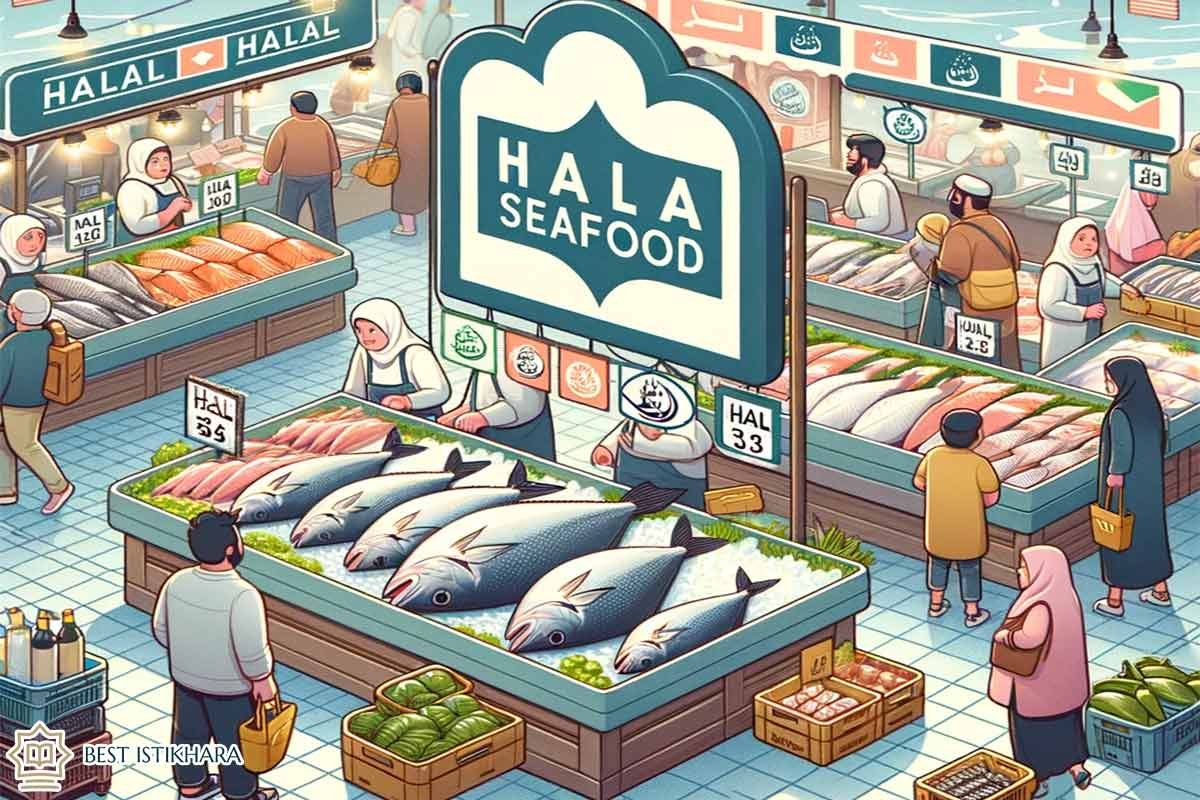
On the other hand, “haram” signifies “forbidden” or “prohibited.” Consuming haram substances or engaging in haram activities is considered a sin in Islam. Everyday haram items include pork, alcohol, and any food products derived from them. The distinction between halal and haram is derived from the Quran, Hadith (teachings of Prophet Muhammad), and scholarly interpretations, ensuring that Muslims adhere to a lifestyle in accordance with their faith.
Understanding these terms helps Muslims make informed decisions that align with their religious beliefs, ensuring their diet and actions are spiritually compliant.
Is Halibut Fish Halal?
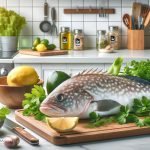
The question of whether halibut fish is halal hinges on Islamic dietary laws, which classify food into permissible (halal) and forbidden (haram) categories. For seafood, the consensus among Islamic scholars is that most fish are halal, provided they meet specific criteria. Halibut, a popular flatfish, is generally considered halal due to its natural characteristics and habitat, aligning with the principles outlined in Islamic jurisprudence.
General Criteria for Halal Seafood
- Species: According to most Islamic scholars, all fish with scales are considered halal. This broad classification covers a wide range of species, including halibut. The basis for this ruling comes from various interpretations of the Quran and Hadith, which provide guidelines on permissible foods.
- Habitat: Seafood must be sourced from natural water bodies like seas, rivers, and lakes. Fish from polluted or contaminated waters is generally discouraged due to potential health risks.
- Method of Capture: Unlike land animals, fish do not require a specific method of slaughter. The absence of a need for ritual slaughter (Zabiha) simplifies the halal certification process for seafood.
- Absence of Harmful Substances: The seafood must be free from any harmful or harmful substances, such as alcohol or pork-derived products, which might be used during processing or preservation.
Specifics About Halibut and Its Classification
Halibut is a type of flatfish found primarily in the North Atlantic and North Pacific oceans. It is renowned for its firm, white flesh, and mild flavor, making it a popular choice in various cuisines.
- Fish with Scales: Halibut has scales, which satisfies the primary criterion for fish to be considered halal. The presence of scales is a critical factor in determining the permissibility of fish in many Islamic legal opinions.
- Marine Habitat: Halibut lives in saltwater environments, which are generally cleaner and less prone to contamination than some freshwater bodies. This enhances its suitability as halal seafood.
- No Slaughter Requirement: Halibut does not require a specific slaughtering process because it is a fish. This eliminates potential concerns regarding improper handling or processing that might render other meats non-halal.
Given these factors, halibut aligns well with the Islamic criteria for halal seafood, making it a permissible choice for Muslims looking to adhere to their dietary laws.
Why Halal Certification Matters?
Halal certification is crucial for ensuring that products meet Islamic dietary laws, providing Muslims with confidence that their food is permissible. This certification involves thorough inspections and adherence to stringent guidelines, which cover everything from ingredient sourcing to processing methods. It helps prevent contamination with haram substances like pork and alcohol, ensuring the purity and integrity of the food. Furthermore, halal certification supports ethical consumerism by promoting humane animal treatment and environmentally sustainable practices. It also opens up global markets for producers, as certified halal products are in high demand among the growing Muslim population worldwide.
Different Islamic Schools of Thought on Halal Seafood
Islamic jurisprudence on halal seafood is diverse, reflecting various interpretations by the four primary Sunni schools of thought: Hanafi, Maliki, Shafi’i, and Hanbali. The Hanafi school is the most restrictive, permitting only fish with scales, thus excluding shellfish and other sea creatures. Conversely, the Maliki, Shafi’i, and Hanbali schools adopt a broader approach, allowing all sea creatures. These schools base their rulings on the Quranic verse, “Lawful to you is the pursuit of water-game and its use for food” (Quran 5:96), which they interpret as encompassing all marine life.
Controversy About Oysters and Other Marine Life
The primary differences among these schools center on shellfish and other non-fish sea creatures. The Hanafi school excludes shellfish, such as shrimp, lobsters, and crabs, from its permissible foods, considering them non-fish and thus not halal. In contrast, the Maliki, Shafi’i, and Hanbali schools permit these creatures, interpreting the Quranic allowance of “water game” broadly to include all forms of marine life. This divergence underscores the importance of consulting specific school rulings and local religious authorities for clarity on dietary practices.
Quranic Verses and Hadiths Supporting Halal Seafood
Islamic dietary laws derive from the Quran, which explicitly addresses the permissibility of seafood. One significant verse is Surah Al-Ma’idah 5:96: “Lawful to you is the pursuit of water game and its use for food, for the benefit of yourselves and those who travel.” This verse is often cited to justify the consumption of all seafood, as it broadly permits “water game,” which encompasses fish and other sea creatures. The verse underscores the general permissibility of seafood, aligning with the principles of ease and facilitation in Islamic dietary laws.
Hadiths Related to Seafood Consumption
Several Hadiths also support the consumption of seafood, reinforcing its halal status. One well-known Hadith from Sahih Bukhari quotes the Prophet Muhammad (PBUH): “Two kinds of dead animals and two kinds of blood have been made lawful for us: the two kinds of dead animals are locusts and fish, and the two kinds of blood are the liver and spleen.” This Hadith clearly indicates that fish, even if found dead, is halal, emphasizing its permissibility. Additionally, another Hadith in Sahih Muslim records that the Prophet Muhammad (PBUH) said, “Its water is pure and its dead (animals) are lawful (halal),” referring to the sea, thus highlighting the general acceptance of seafood in Islam.
FAQ
- What is Halal Seafood?
- Halal seafood refers to any sea creature that is permissible for Muslims to eat according to Islamic dietary laws. Most Islamic scholars agree that fish are generally halal, while opinions on other sea creatures, such as shellfish, vary among different schools of thought.
- Are all types of fish considered halal?
- Yes, most types of fish are considered halal. This includes fish with scales, like salmon and halibut. However, some schools of thought, like the Hanafi school, are more restrictive and may exclude certain types of fish without scales.
- Is shellfish halal?
- Shellfish permissibility varies. The Maliki, Shafi’i, and Hanbali schools generally allow all types of shellfish, including shrimp, crabs, and lobsters. The Hanafi school, however, typically does not consider shellfish to be halal.
- Do fish need to be slaughtered in a specific way to be halal?
- No, fish do not need to be slaughtered in a specific way to be halal. Unlike land animals, fish are considered halal if they die naturally in water or are caught alive and then die out of water.
- What Quranic verses support the consumption of seafood?
- Surah Al-Ma’idah 5:96 states, “Lawful to you is the pursuit of water game and its use for food, for the benefit of yourselves and those who travel.” This verse broadly permits the consumption of all water game, which includes fish and other sea creatures.
- What hadiths support the consumption of seafood?
- A well-known hadith from Sahih Bukhari quotes the Prophet Muhammad (PBUH): “Two kinds of dead animals and two kinds of blood have been made lawful for us: the two kinds of dead animals are locusts and fish, and the two kinds of blood are the liver and spleen.” Another hadith from Sahih Muslim states, “Its water is pure, and its dead (animals) are lawful (halal),” referring to the sea.
- Is sushi halal?
- Sushi can be halal if it contains halal fish and is free from haram ingredients, such as alcohol or non-halal meat. It is important to verify the ingredients used in the sushi preparation.
- Can Muslims eat seafood while traveling?
- Yes, Muslims can eat seafood while traveling. Surah Al-Ma’idah 5:96 mentions explicitly that the consumption of water games is lawful for travelers, emphasizing the ease and permissibility of seafood consumption in various circumstances.
- Is farmed fish halal?
- Farmed fish are generally considered halal as long as they are raised in clean water and are not fed any haram substances. The method of farming should also adhere to ethical and sanitary standards.
- How can I ensure the seafood I purchase is halal?
- To ensure seafood is halal, look for halal certification from recognized bodies, verify the type of seafood against Islamic dietary guidelines, and ensure it has not been contaminated with haram substances during processing or preparation.