
Powerade, a renowned brand in the sports drink industry, was introduced to provide athletes and active individuals with an optimal blend of electrolytes, carbohydrates, and fluids to support performance and hydration. Distinct from its competitors, Powerade offers a unique formula that aids in replenishing nutrients lost during intense physical activity. Its inception marked a significant evolution in sports nutrition, catering to professional athletes’ and fitness enthusiasts’ needs. Powerade has become a go-to source for hydration and energy replenishment with various flavours and formulations, including options tailored for specific sports and fitness levels. Over the years, its commitment to innovation and understanding of nutritional science has solidified its position in the global market, making it a popular choice for those seeking to maintain optimal hydration and energy levels during and after exercise. Click to get more information about halal vs haram topics discussed in today’s world.
What Makes a Drink Halal?
The designation of a drink as halal, permissible under Islamic law, hinges on several critical factors encompassing ingredients, processing methods, and certification. For a beverage to be considered halal, it must not contain any prohibited substances such as alcohol, pork-derived products, or any ingredient deemed harmful to health or morality as outlined by Islamic dietary laws. The processing equipment and facilities must also adhere to stringent cleanliness and purity standards, ensuring no cross-contamination with haram (forbidden) substances.
Halal Criteria for Beverages
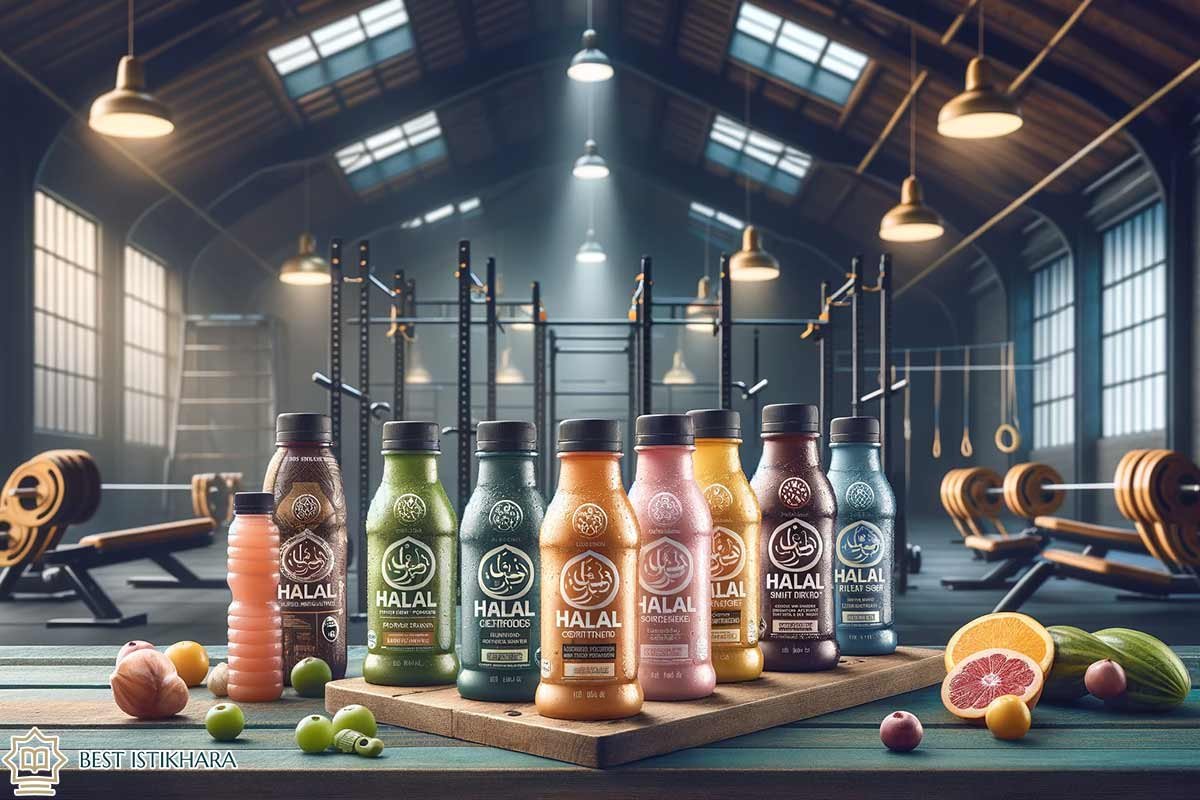
A beverage’s halal criteria start with its ingredients, which must be free from alcohol and non-halal animal by-products. Natural or artificial ingredients are subject to scrutiny, each needing to pass halal certification standards. Processing practices play a significant role; facilities must prevent mixing halal and non-halal items and uphold Islamic cleanliness principles. Finally, halal certification by a recognized Islamic authority assures that the beverage complies with all necessary guidelines. This certification involves rigorous inspection of the production process, from ingredient sourcing to final packaging, ensuring adherence to halal dietary laws at every stage.
The Ingredients of Powerade: A Closer Look
Powerade, a leading sports drink, combines a scientifically formulated mix of carbohydrates, electrolytes, and flavours to replenish the body during and after strenuous activities. The primary components include water, high fructose corn syrup (or sugar in some regions), citric acid, salt (sodium chloride), sodium citrate, mono-potassium phosphate (an electrolyte), and vitamins B3, B6, and B12. Additionally, Powerade features a range of artificial and natural flavours and colours, varying by product line and flavour.
Powerade’s Ingredients & Halal Compliance
Assessing the halal compliance of Powerade’s ingredients involves examining each component’s origin and processing methods. Due to their nature, water, salts, citric acid, and vitamins generally meet halal criteria. However, using high fructose corn syrup and artificial flavours and colours raises questions. These components require scrutiny regarding their sources and the use of alcohol or animal-derived substances in their production. The halal certification process for such ingredients includes verifying that they are not derived from prohibited sources (e.g., pork or alcohol) and that the manufacturing process avoids cross-contamination with haram substances. Given the varying standards and interpretations of halal compliance across different certifying bodies, the specific halal status of Powerade would depend on the certifications it has received, if any, from recognized Islamic authorities.
Halal Certification Process for Beverages
The halal certification process for beverages is a meticulous procedure designed to ensure that products comply with Islamic dietary laws. This process involves several key steps, beginning with the manufacturer’s application to a recognized halal certification body. The application includes detailed information about the product, ingredients, and manufacturing processes.
Powerade’s Halal Certification Status
- Application Submission: Manufacturers submit a comprehensive application to a halal certification body detailing the product’s ingredients, sources, and manufacturing process.
- Initial Review: The certification body conducts an initial review to assess the application’s completeness and determine if the product is potentially halal-compliant.
- Audit and Inspection: A thorough manufacturing facility audit ensures that the ingredients, processing, and handling methods meet halal standards. This includes verifying that no cross-contamination occurs with non-halal products.
- Ingredient Analysis: Each ingredient is analyzed for its source and processing method. Ingredients must not contain or be contaminated with haram (forbidden) substances such as alcohol or pork-derived products.
- Certification Decision: The certification body decides based on the audit and ingredient analysis. If compliant, the product is awarded halal certification.
- Monitoring and Renewal: Halal certification is subject to periodic review and renewal. This often involves regular inspections and audits to ensure ongoing compliance with halal standards.
This rigorous process is designed to assure Muslim consumers that the beverages they consume adhere strictly to Islamic dietary laws.
Is Powerade Halal Certified?
Whether Powerade is halal certified is of significant interest to Muslim consumers worldwide. Powerade adheres to various food safety and quality standards as a global brand to cater to its diverse consumer base. However, the halal certification status can vary by region due to differences in certification bodies and local dietary requirements.
Whether Powerade has Received Halal Certification?
The latest information shows that Powerade’s halal certification status may not be uniformly recognized across all regions. This situation arises because certification requires compliance with the standards of recognized Islamic councils or certification bodies within each country or region. For Muslim consumers seeking halal-certified products, it’s crucial to check the packaging for halal-certification logos or consult local halal authorities for the most current information. In some countries, Powerade might have obtained halal certification from local Islamic councils, while in others, it might still be in the certification process or not explicitly labelled as halal. The absence of a universal halal certification for Powerade highlights the importance of direct inquiry with the manufacturer or local certification bodies to ascertain the product’s compliance with halal dietary laws in your area.
Consumer Concerns: Artificial Flavors and Colors
In sports drinks like Powerade, consumer concerns often pivot around using artificial flavours, colours, and additives. These concerns are not only health-related but also pertain to the compliance of these ingredients with strict dietary laws, including halal standards.
Concerns: Powerade’s Additives & Halal
Artificial flavours and colours in Powerade raise questions among consumers who are adhering to halal dietary laws, primarily because the halal status depends on the origin and processing of these additives. Artificial ingredients must be synthesized without alcohol or animal derivatives to be considered halal. Moreover, cross-contamination during production is a significant concern; facilities must ensure that halal and non-halal products do not mix. To address these concerns, manufacturers like Powerade must disclose their ingredients’ sources and processing methods transparently. Consumers seeking halal products are advised to look for halal certification marks or consult with manufacturers directly. This proactive approach ensures the beverages consumed align with individual dietary principles, fostering confidence among Muslim consumers in the halal integrity of their choices.
Alternatives to Powerade for Muslim Consumers
For Muslim consumers who are cautious about their dietary intake and seek halal-certified or naturally compliant alternatives to Powerade, several options are available. These alternatives are designed to provide the same hydration and energy benefits without compromising on halal standards.
Halal Sports Drink Alternatives
- Zamzam Water: Zamzam water is a revered choice for those looking for a purely natural option. Though not a sports drink, it’s believed to offer unique health benefits.
- Sobia is a traditional, non-alcoholic beverage made from coconut milk, sugar, and natural flavourings. It is not only refreshing but also adheres to halal dietary laws.
- Halal-Certified Electrolyte Drinks: Some brands specifically market electrolyte-rich drinks that are certified halal. These products are ideal for sports enthusiasts looking for a halal-compliant boost.
- DIY Natural Sports Drink: Homemade options such as lemon juice, water, salt, and natural sweeteners can be a healthy and halal alternative. These DIY recipes allow for complete control over ingredients, ensuring compliance with halal standards.
These alternatives can help Muslim consumers maintain their dietary principles without sacrificing the nutritional benefits needed for sports and exercise recovery.
How to Verify Halal Status: Tips for Consumers
Ensuring the halal status of beverages like Powerade independently is crucial for consumers adhering to Islamic dietary laws. This verification process involves a few strategic steps that can help individuals ascertain the compliance of their beverages with halal standards.
How to Verify Halal Status?
- Check for Halal Certifications: Look for official halal certification logos on the product packaging. These logos indicate that a recognized halal certification body has reviewed and approved the product.
- Please consult the Manufacturer: Reach out directly to the beverage manufacturer or visit their official website for information on the halal status of their products. Many companies provide detailed FAQs or customer service support for such inquiries.
- Research Ingredients: Educate yourself on the common ingredients used in beverages and which ones may be of concern for halal compliance. Ingredients to watch out for include gelatin, certain emulsifiers, and artificial flavours or colours that could be derived from haram sources.
- Seek Guidance from Local Islamic Authorities: For ambiguous cases where the halal status is unclear, consulting local Islamic scholars or halal certification bodies can provide additional clarity and guidance.
By following these tips, consumers can more confidently determine the halal status of Powerade and other beverages, ensuring their dietary practices are maintained.
Conclusion
Navigating the realm of sports beverages while adhering to halal dietary laws poses unique challenges for Muslim consumers. Investigating whether Powerade is halal-certified highlights the importance of vigilance and informed decision-making. By scrutinizing ingredients, seeking halal certifications, and considering alternative options, individuals can ensure their dietary practices align with their religious beliefs. This guide aims to empower consumers with knowledge and resources to make choices that suit their nutritional needs and spiritual commitments. Remember, staying informed and proactive is key to maintaining a halal lifestyle in a diverse and ever-changing consumer landscape.
FAQs
Q1: Is Powerade considered halal?
A1: The halal status of Powerade can vary by region and formulation. Check the product packaging for a halal certification logo or contact the manufacturer for the most accurate information.
Q2: What ingredients in Powerade might affect its halal status?
A2: Ingredients such as artificial flavours, colours, and certain preservatives might raise concerns regarding halal compliance. Each ingredient’s source and processing method must be verified for halal standards.
Q3: Can Muslims consume Powerade if it is not explicitly labelled as halal?
A3: Caution is advised. Consumers should verify the ingredients and seek products with a clear halal certification. Consult with a local Islamic authority or opt for a certified halal alternative when in doubt.
Q4: How can I determine if Powerade has halal certification in my country?
A4: The best approach is to contact Powerade’s customer service or check their official website for information about your region. Additionally, looking for halal certification marks on the product or consulting local certification bodies can provide clarity.
Q5: Are there any halal-certified sports drinks similar to Powerade?
A5: Yes, there are halal-certified sports drinks available on the market. These products typically display a halal certification logo on their packaging. Researching online or at local stores selling halal products can help you find suitable alternatives.
Q6: What steps can I take if I need clarification on the halal status of a beverage?
A6: If the halal status is unclear, avoiding the product is recommended until further clarification can be obtained. Contacting the manufacturer, consulting with halal certification bodies, or seeking advice from Islamic scholars are prudent steps to ensure compliance with halal dietary laws.