Is Perch Meat Halal?
In Islam, the term “Halal” refers to anything permissible under Islamic law, particularly in relation to food and drink. The opposite of Halal is “Haram,” meaning forbidden. For meat to be considered Halal, it must adhere to specific dietary guidelines outlined in the Quran and Hadiths. These guidelines include the type of animal, the manner of slaughter, and the conditions in which the animal is raised and processed. Fish generally occupy a unique category within Halal dietary laws, often being more leniently treated compared to land animals. This is due to various interpretations of religious texts, which usually deem most seafood permissible. However, there are nuances and specific considerations for different types of fish, which this article will explore in the context of perch meat. Click to get more information about halal vs haram topics discussed in today’s world.
Is Perch Meat Halal?
Perch meat is generally considered Halal in Islam. According to most Islamic scholars, fish are exempt from the specific slaughtering requirements applied to land animals, making them permissible (Halal) by default. The Quran does not specify particular fish that are forbidden, and many Hadiths support the permissibility of consuming all types of fish, provided they are not harmful or poisonous.
Perch, being a common freshwater fish, falls under this general permissibility. It does not possess any characteristics that would render it Haram (forbidden), such as being a predatory or harmful species. Additionally, the conditions under which perch is caught or farmed typically do not conflict with Islamic dietary laws, further supporting its Halal status.
However, it is always recommended that the fish be processed and handled in a hygienic manner that aligns with Halal principles, ensuring that the entire food chain respects the dietary laws from capture to consumption.
Comparing Halal and Non-Halal Fish
In Islamic dietary laws, fish are generally considered Halal, but there are some distinctions and debates among scholars regarding specific types. Halal fish are those that do not pose harm and are not predatory. Fish like perch, tilapia, and salmon are widely accepted as Halal because they do not have characteristics that would make them Haram (forbidden).
Non-Halal fish, on the other hand, typically include predatory sea creatures and those that live part-time on land, such as frogs and crocodiles. Some Islamic schools of thought also consider shellfish, such as shrimp and lobster, non-Halal, though this is subject to interpretation and varies among different Muslim communities.
The differentiation often hinges on the Hadiths and the interpretations of Islamic scholars. For instance, the Hanafi school is more restrictive and may consider certain shellfish non-Halal, while other schools, like Shafi’i and Maliki, are more lenient. Therefore, while most fish are Halal, it’s essential to consider the specific guidelines and interpretations of one’s community or religious advisors.
Certification and Labeling of Halal Fish
The certification and labelling of Halal fish involve stringent processes to ensure compliance with Islamic dietary laws. Halal certification bodies, such as the Islamic Services of America (ISA) and Halal Certification Europe (HCE), play crucial roles in this process. These organizations assess the entire supply chain, from the catching or farming of the fish to processing, packaging, and distribution.
To obtain Halal certification, fish producers must ensure that their products are free from contaminants and are handled in a hygienic environment. The processing facilities must adhere to Halal standards, which include cleanliness, the absence of cross-contamination with non-Halal items, and proper documentation of all procedures.
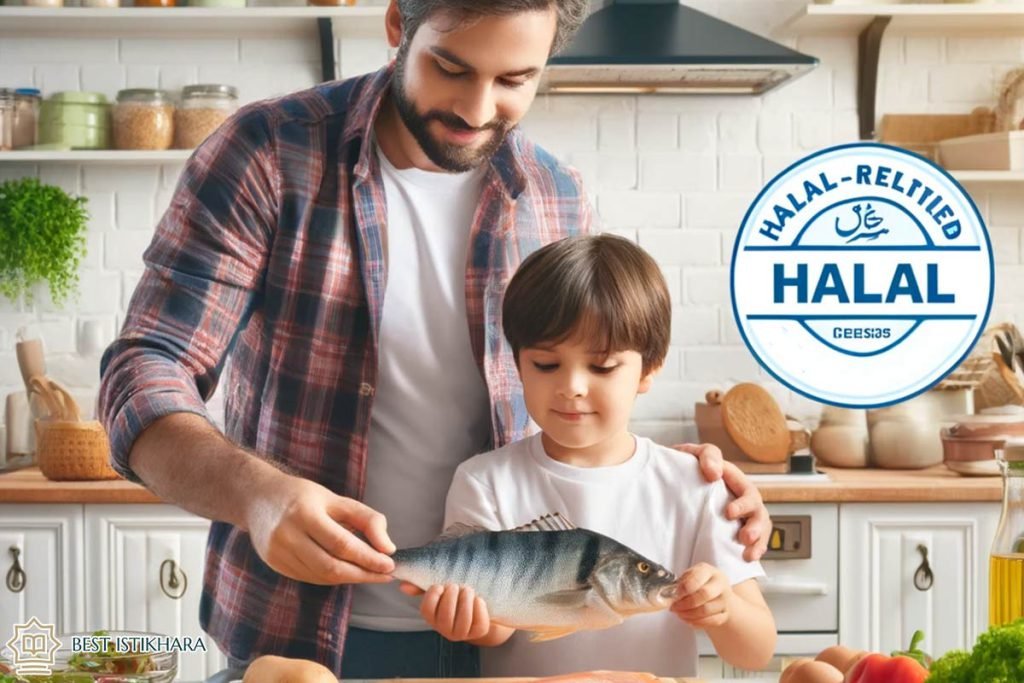
Labeling is equally important as it provides consumers with assurance about the fish’s Halal status. Certified products typically display a recognizable Halal logo, along with details of the certifying body. This transparency helps consumers make informed choices and trust the products they purchase.
Retailers and restaurants must also comply with these standards, ensuring that Halal fish are stored and prepared separately from non-Halal items to maintain purity and compliance with Islamic dietary laws.
FAQs
- What is Halal?
- Halal is an Arabic term that means “permissible” or “lawful.” It refers to anything that is allowed under Islamic law, particularly in the context of food and drink. For food to be considered Halal, it must comply with the dietary rules outlined in the Quran and Hadiths, including the type of food, the method of preparation, and the cleanliness of the handling and processing.
- Is perch meat Halal?
- Yes, perch meat is generally considered Halal. Most Islamic scholars agree that fish, including perch, do not require specific slaughtering rituals and are permissible to eat. However, it is essential to ensure that the fish is sourced, handled, and processed in a hygienic manner that aligns with Halal principles.
- How can I identify Halal fish products?
- Halal fish products can be identified by looking for certification labels from recognized Halal certification bodies. These labels indicate that the product has been verified as Halal by following stringent guidelines. Additionally, checking the ingredients and ensuring there is no cross-contamination with non-Halal substances can help identify Halal fish products.
- Are all types of fish considered Halal?
- Most fish are considered Halal, but there are some exceptions based on different Islamic schools of thought. Generally, non-predatory fish without any harmful characteristics are deemed Halal. Some schools, like Hanafi, may consider shellfish non-Halal, while others are more lenient. It is advisable to consult local religious authorities or scholars for specific guidance.
- Why is Halal certification necessary?
- Halal certification is essential because it assures Muslim consumers that the products they are purchasing comply with Islamic dietary laws. It ensures that the food is free from forbidden substances, prepared hygienically, and handled with the utmost care to maintain its permissibility.
- Can non-Muslims consume Halal fish?
- Yes, non-Muslims can consume Halal fish. Many people choose Halal products due to their hygienic preparation standards and ethical considerations. Halal certification often involves rigorous checks and cleanliness standards that appeal to a broad range of health-conscious consumers.
- What are the benefits of eating Halal fish?
- Eating Halal fish offers several benefits, including adherence to religious dietary laws for Muslims, assurance of ethical and humane treatment of animals, and often higher standards of hygiene and food safety. Additionally, Halal fish is free from forbidden substances, making it a clean and permissible choice for consumption.
Conclusion
In summary, determining the Halal status of perch meat involves understanding Islamic dietary laws and recognizing the specific criteria for Halal fish. Perch is widely accepted as Halal due to its non-predatory nature and general acceptance among scholars. The growing demand for Halal-certified products underscores the importance of proper certification and labelling, ensuring transparency and trust for Muslim consumers. By adhering to these guidelines, consumers can confidently enjoy perch meat and other Halal fish, aligning with their dietary and ethical principles. This comprehensive approach not only fulfills religious obligations but also promotes hygienic and ethical food consumption practices.