Are "Agar-Agar" Brand Products Halal?
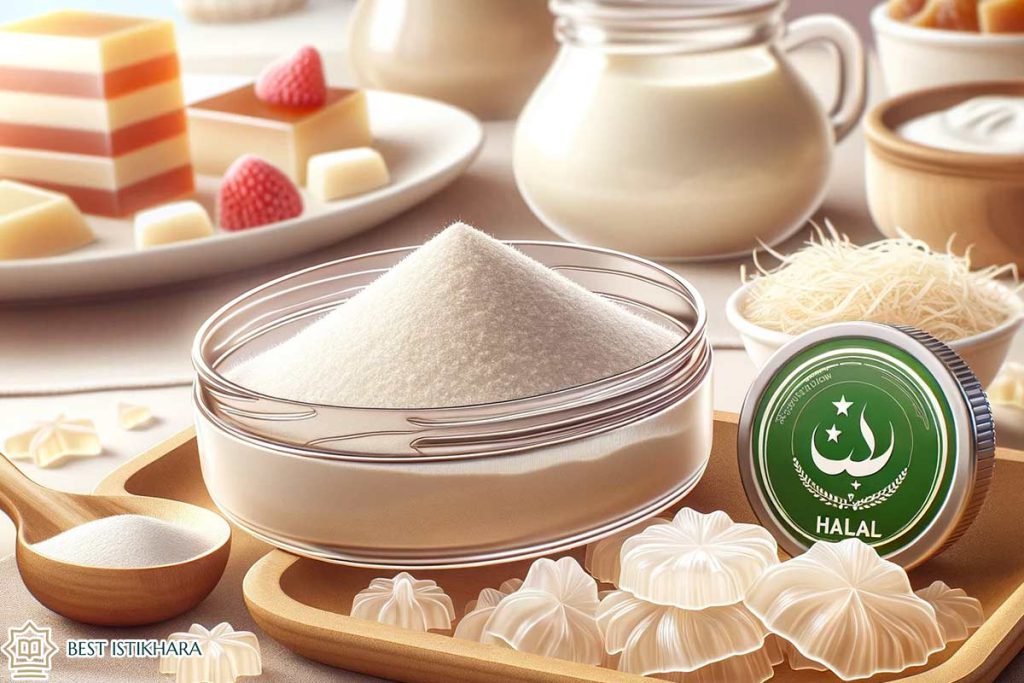
Agar agar, a gelatinous substance extracted from red algae, has been celebrated for its versatility and wide range of uses, particularly in the culinary world. Originating from Southeast Asia, it has garnered global popularity not just for its gelling properties but also for its status as a halal, vegetarian, and vegan-friendly alternative to animal-derived gelatin. What sets agar apart is its remarkable ability to gel without the need for refrigeration, making it an indispensable ingredient in the making of desserts, aspic, and even as a stabilizer in creams and sauces. Beyond its culinary applications, agar agar is valued in microbiology for culturing bacteria, in weight loss diets due to its high fiber content and low calories, and in various other industries for its thickening and emulsifying properties. Its derivation from seaweed ensures that it aligns with halal dietary laws, providing a permissible, plant-based option for gelatin in Muslim diets. This multifaceted ingredient not only caters to a wide array of dietary needs but also stands as a testament to the innovative use of natural resources in sustainable and inclusive food practices. Click to get more information about halal vs haram topics discussed in today’s world.
Is Agar Agar Halal?
Agar agar stands as a beacon of versatility and inclusivity in the culinary world, especially for those adhering to halal dietary guidelines. Derived from red algae, a type of seaweed, it naturally aligns with halal principles, being plant-based and free from any animal-derived ingredients, including alcohol, which is strictly avoided in halal diets. Its use spans various cuisines and dishes, offering a halal-certified alternative to traditional gelatin, which is often derived from animals not slaughtered according to Islamic law. This makes agar agar not only a staple in vegan and vegetarian diets but also a trusted ingredient in the preparation of halal foods, from desserts like jellies and puddings to savory dishes such as meat terrines. Its certification by halal authorities further reassures the Muslim community of its suitability, embedding agar agar deeply in the fabric of halal cooking and food innovation. Beyond just being halal, agar agar’s gelling power, requiring no refrigeration to set, marks it as an indispensable tool in creating dishes that honor both dietary laws and culinary artistry.
Health Benefits and Nutritional Value of Agar Agar
Agar agar, a powerhouse of nutritional value, is predominantly composed of fiber, making it an excellent aid for digestion and weight management. This gelatinous substance, derived from seaweed, boasts a low-calorie count while being rich in minerals such as magnesium, calcium, and iron, which are essential for bone health, oxygen transport, and overall metabolic function. Its high fiber content not only promotes a feeling of fullness, aiding in weight loss efforts but also facilitates smooth digestion and regular bowel movements. Furthermore, agar is known for its water-absorbing properties, which can help maintain hydration and ensure a slow release of nutrients, making it a strategic addition to diets focused on sustained energy and nutrient absorption. For individuals looking for plant-based alternatives to gelatin, agar agar offers a nutritional profile that supports health and wellness, aligning with a wide range of dietary preferences and needs.
Agar Agar in Halal Cooking
Agar agar finds its esteemed place in halal cooking not just as a substitute for gelatin but as a culinary wonder that enriches dishes with its unique properties and versatility. This seaweed-derived ingredient excels in creating a range of textures, from soft, delicate jellies to firm, sliceable desserts without the need for refrigeration. Its neutral taste and color make it an ideal thickening and stabilizing agent for a variety of halal dishes, including traditional desserts like kanten in Japan, floods in South Asia, and modern creations like vegan cheesecakes and mousse. Agar’s gelatin-like properties allow Muslim chefs and home cooks to explore a wide array of recipes, adhering strictly to halal dietary laws while embracing global culinary trends. Beyond desserts, agar agar is used in savory applications as well, such as in making halal terrines and aspics, providing a means to enjoy gelatinous textures without compromising on halal principles. Its inclusion in halal kitchens exemplifies the innovation and adaptability of modern Muslim culinary practices, offering a bridge between traditional dietary laws and contemporary gastronomy.
Certified Halal Agar Agar Products
In the realm of halal cuisine, the importance of certified halal agar agar cannot be overstated. This plant-based gelatin alternative is crucial for Muslims seeking to adhere to dietary laws, as it guarantees the absence of any animal byproducts or alcohol, both of which are prohibited in Islam. Certified halal agar agar products undergo rigorous scrutiny by halal certification bodies to ensure they meet strict Islamic dietary guidelines. This certification process includes examining the sourcing of the seaweed, the manufacturing environment to prevent cross-contamination with non-halal substances, and the absence of alcohol in any stage of production. These products are pivotal for culinary innovation within the Muslim community, allowing for the creation of a wide range of dishes, from desserts like puddings and jellies to savory gelatin-based dishes, all while maintaining dietary integrity. Brands and manufacturers that offer halal-certified agar agar make it easier for Muslims to enjoy a broader spectrum of foods, fostering inclusivity and respect for Islamic dietary restrictions in global cuisine.
FAQ
- What is agar agar?
- Agar-agar is a gelatinous substance derived from red algae. It’s widely used as a vegetarian and vegan alternative to gelatin because it’s plant-based. Agar agar is popular in a variety of culinary applications, including desserts, as a thickening agent, and in microbiological media.
- Why is agar agar considered halal?
- Agar agar is considered halal because it is derived from seaweed and does not contain any animal products or alcohol. This makes it suitable for consumption by Muslims adhering to halal dietary guidelines.
- How can I verify if an agar agar product is halal-certified?
- To verify if an agar agar product is halal-certified, look for certifications from recognized halal certification bodies on the product packaging. These certifications ensure that the product meets strict Islamic dietary laws.
- Are all agar agar products halal?
- While agar agar itself is plant-based and generally considered halal, it’s essential to check for halal certification on the product to ensure it hasn’t been processed or contaminated with non-halal substances.
- Can I use agar agar in all types of cooking and baking?
- Yes, agar agar can be used in various types of cooking and baking as a thickening agent or gelatin substitute. It’s especially useful in making jellies, custards, marshmallows, and vegan cheeses.
- Is there any difference between the halal certification of agar agar and other gelatin products?
- The primary difference lies in the source; agar agar is derived from plants and is inherently halal, while gelatin is often derived from animals, requiring specific halal slaughtering practices and certification to be considered halal.
- Where can I find halal-certified agar agar?
- Halal-certified agar agar can be found in health food stores, Asian markets, and online retailers. Look for the halal certification mark on the packaging.
- Can agar agar be used as a dietary supplement?
- Yes, agar agar is high in fiber and can be used as a dietary supplement to promote digestive health. However, it’s important to consume it with plenty of water.
Conclusion
In conclusion, agar agar emerges as a versatile and essential ingredient in halal culinary practices, offering a plant-based alternative to gelatin that meets strict dietary laws. Its natural origin from seaweed, coupled with its nutritional benefits and flexibility in cooking and baking, underscores its popularity among those adhering to halal, vegan, and vegetarian diets alike. The availability of halal-certified agar agar products further assures the Muslim community of its suitability for consumption. As the culinary world continues to evolve, agar agar’s role in fostering inclusivity and diversity in dietary preferences and religious observances cannot be overstated. By incorporating this halal-certified ingredient into their dishes, consumers and chefs alike can explore a wide range of textures and flavors while remaining committed to halal dietary guidelines.