

Many believers feel deeply moved after seeing themselves in sujood during sleep, uncertain whether it reflects closeness to Allah ﷻ or carries a hidden warning. The Islamic dream interpretation of doing sajdah in dream Islam reaches beyond the image of prayer itself—it mirrors the dreamer’s state of faith, repentance, and the unseen conversation between the servant and the Creator. At Best Istikhara, we approach such visions not as superstition, but through the authentic guidance of the Qur’an, Sunnah, and the insights of classical scholars.
Every dream carries its own layer of meaning. Interpretations differ for a married or single woman, a man, or someone praying after Fajr; even the setting, the feeling of humility, or an interruption in sajdah can alter the message. This article leads you from the essence of prostration to detailed scenarios and the actions that follow, following the trusted Best Istikhara method—authentic, precise, and compassionate in understanding dreams.
This dream might have a serious meaning. If you want your dream interpreted personally by our Sheikh, send us a message on WhatsApp: +90 539 374 42 39.
Different Conditions of doing sajdah in dream islam
| Different Conditions of doing sajdah in dream islam | Islamic Interpretation |
|---|---|
| Doing sajdah in dream Islam | Symbol of humility and closeness to Allah ﷻ. It often represents answered duʿāʾ, repentance, or spiritual elevation, depending on the dreamer’s sincerity and emotional state. |
| Unable to do sajdah in dream | A warning about negligence in ṣalāh or pride that prevents full submission. The dream calls for tawbah, renewed humility, and returning to the remembrance of Allah ﷻ. |
| Doing sajdah in mosque in dream | A positive sign of acceptance, divine mercy, and barakah. Indicates that prayers and righteous deeds are reaching Allah ﷻ and may soon bring relief or answered supplication. |
| Doing sajdah at home in dream | Reflects harmony, gratitude, and stability within the household. It may also show the presence of peace and divine light in the dreamer’s family life. |
| Doing sajdah on dirty ground | A warning to purify one’s heart and actions. It can represent sins, unlawful earnings, or spiritual impurity that must be cleansed through tawbah and istighfār. |
| Doing sajdah in public | Symbol of sincerity, honour, and the spreading of good example. The dream may indicate that one’s humility will inspire others to righteousness. |
| Doing sajdah with tears | A deeply spiritual sign of repentance and divine acceptance. Indicates that Allah ﷻ has heard the dreamer’s duʿāʾ and may forgive past mistakes. |
| Interrupted sajdah in dream | Suggests worldly distractions or unfinished duties toward Allah ﷻ. A reminder to complete spiritual obligations and avoid heedlessness in worship. |
| Long sajdah in dream | Sign of devotion and gratitude. It may represent prolonged duʿāʾ being accepted or the strengthening of one’s bond with Allah ﷻ. |
| Sajdah after Fajr in dream | Indicates divine reassurance and guidance. Dreams near Fajr are often true and may point to answered prayers or forthcoming blessings. |
| Sajdah in darkness | Symbol of confusion, sin, or distance from guidance. The dream encourages repentance, Qur’anic reflection, and spiritual renewal. |
| Sajdah in light | Represents divine mercy, purity, and a state of forgiveness. The dream shows the dreamer’s soul moving toward clarity and closeness to Allah ﷻ. |
| Doing sajdah on white floor | Sign of sincerity and purity of intention. Indicates acceptance of good deeds and inner peace granted by Allah ﷻ. |
| Doing sajdah on black floor | May signify hardship, trials, or hidden sins that require patience and repentance. Encourages resilience and tawakkul (trust in Allah). |
| Being forced into sajdah | Symbolises submission after struggle or awakening of faith. It can also be a call to abandon arrogance and recognise divine authority. |
| Seeing someone else doing sajdah | Represents the piety or repentance of another person, or guidance coming through their example. Encourages the dreamer to strengthen faith. |
| A man doing sajdah in dream | Sign of honour, provision, and spiritual success. Indicates strength in faith and lawful sustenance through sincere worship. |
| A woman doing sajdah in dream | For a married woman, it signals family harmony and blessings; for a single or pregnant woman, safety, protection, and fulfilled prayers. |
| Doing sajdah in Kaaba or Haram | A great sign of nearness to Allah ﷻ, answered duʿāʾ, and spiritual purification. Symbol of divine acceptance and elevation in rank. |
| Sajdah in front of people | Reflects sincerity of intention. If done for Allah ﷻ, it shows humility and guidance; if done for others, it warns against seeking worldly validation. |
| Sajdah with joy or light | Indicates spiritual awakening and that one’s deeds are accepted. The dreamer is under divine favour and should maintain this closeness. |
| Sajdah with fear or heaviness | A warning of guilt, anxiety, or unrepented sin. The dream invites introspection, istighfār, and purification of the heart. |
| Short sajdah in dream | Suggests distraction or haste in worship. The dream advises patience, focus, and offering ṣalāh with presence and humility. |
| Sajdah of gratitude in dream | Reflects answered duʿāʾ, divine blessing, or relief after difficulty. Symbol of a thankful heart recognised by Allah ﷻ. |
| Repeated sajdah dreams | Shows that Allah ﷻ is drawing the dreamer’s attention toward renewal, consistency in prayer, and self-purification through constant dhikr. |
| Sajdah while ill or weak | Symbol of perseverance and faith in hardship. Indicates purification through trials and spiritual reward for patience. |
| Sajdah while crying in dream | Sign of repentance and divine acceptance. Indicates that the heart is softening and that forgiveness is near. |
| Sajdah with family members | Symbol of unity, barakah, and shared faith. Indicates that the household is surrounded by divine mercy and answered supplication. |
| Sajdah with friends | Represents shared guidance and righteous companionship. Encourages gratitude for good company that reminds one of Allah ﷻ. |
| Sajdah on the wrong side or direction | Warning of deviation or heedlessness in practice. The dream calls for realignment through knowledge, ṣalāh, and correct intention. |
| Sajdah with obstacles or interruption | Sign of worldly distractions, pride, or spiritual fatigue. Urges tawbah and consistency in daily prayers. |
| Sajdah by non-Muslim in dream | Symbol of future guidance or conversion. Represents the heart moving toward truth and submission before Allah ﷻ. |
| Sajdah by sinner or oppressor | Indicates repentance is near or that Allah ﷻ is granting an opportunity for redemption. Calls for humility and justice. |
| Refusing to do sajdah in dream | A serious warning against arrogance, heedlessness, or rebellion against divine will. Urges immediate repentance and renewal of faith. |
| Sajdah in battlefield or storm | Symbol of protection and strength through faith. Even in chaos, the believer’s submission brings divine help and inner peace. |
| Sajdah while reciting Qur’an | Sign of deep faith and enlightenment. Suggests divine favour and closeness to the words of Allah ﷻ. |
| Sajdah before death or elderly person | Represents respect, mercy, and the importance of serving elders. When directed to Allah ﷻ, it indicates noble character and reward. |
| Sajdah with broken clothes or torn dress | Symbol of repentance and humility after hardship. Reflects purification through struggle and returning to sincerity. |
| Sajdah with bright face | Indicates acceptance, honour, and divine pleasure. The dreamer’s heart shines through faith and righteous deeds. |
| Sajdah in desert or open land | Reflects detachment from the world and pure connection to Allah ﷻ. Sign of sincere duʿāʾ made away from distractions. |
| Sajdah with children | Symbol of family barakah, answered prayers, and protection of offspring. Encourages gratitude and teaching children righteousness. |
| Sajdah after committing sin | Indicates guilt, repentance, and divine mercy. A message that Allah ﷻ accepts those who return to Him with sincerity. |
| Sajdah with angels present | Symbol of spiritual elevation and divine approval. The dreamer’s sincerity is witnessed by the unseen realm. |
| Sajdah in strange or unknown place | Represents seeking guidance and direction in life. Encourages istikhārah and reliance on Allah ﷻ for clarity. |
| Sajdah while facing people instead of Qiblah | A warning to correct one’s niyyah and align actions for the sake of Allah ﷻ alone, not for human praise. |
| Sajdah in house of deceased | Sign of mercy and duʿāʾ for the departed. The dream may also show remembrance of the Hereafter and call for charity on their behalf. |
| Sajdah surrounded by water or rain | Symbol of purification, renewal, and answered duʿāʾ. The dream reflects cleansing of sins and blessings descending from Allah ﷻ. |
| Sajdah after quarrel or injustice | Sign of reconciliation and divine approval. Indicates forgiveness between hearts and spiritual victory through humility. |
| Sajdah among animals or noise | Warns of heedlessness and distractions of dunya. Calls for solitude in worship and focusing on remembrance of Allah ﷻ. |
| Sajdah in dream of pregnant woman | Symbol of protection, safe delivery, and mercy for the child. Indicates that her duʿāʾ is heard and answered. |
| Sajdah in dream of single woman | Sign of purity, patience, and forthcoming relief. Often associated with good news, righteous companionship, or spiritual maturity. |
| Sajdah in dream of married woman | Symbol of peace, gratitude, and the strengthening of marital harmony. Reflects contentment through faith and devotion. |
| Sajdah in dream of man | Represents honour, leadership through humility, and divine success. Encourages steadfastness and reliance on Allah ﷻ. |
| Sajdah with black clothes | Symbol of mourning, repentance, or humility after loss. Encourages patience and trust in Allah’s plan. |
| Sajdah with white clothes | Reflects purity, forgiveness, and divine acceptance. Indicates that the dreamer is on a path of spiritual growth. |
| Sajdah repeated for many nights | Symbol of divine insistence on a message. Allah ﷻ may be reminding the dreamer to strengthen faith, charity, or repentance. |
| Sajdah followed by sujūd of gratitude | Represents fulfillment of prayer, divine acceptance, and recognition of blessings received. Sign of thankfulness and spiritual elevation. |
| Sajdah while hearing Qur’an recitation | Indicates divine light entering the heart and a reminder to stay close to the Book of Allah ﷻ. |
| Sajdah with people around but alone in feeling | Symbol of sincerity in worship and spiritual individuality. Encourages maintaining devotion regardless of others’ attention. |
| Sajdah with broken floor or shaking ground | Reflects instability in life or faith. Urges the dreamer to rebuild spiritual foundations through patience and steadfast ṣalāh. |
| Sajdah seen multiple times in one night | Strong sign of divine reminder and nearness. Allah ﷻ may be calling the dreamer to repent or increase gratitude and dhikr. |
This comprehensive table covers all common and symbolic variations related to doing sajdah in dream Islam, optimised for both SEO and authentic Islamic interpretation.
Meaning of Seeing Sajdah in a Dream
The Meaning of Seeing Sajdah in a Dream often reflects moments of divine intimacy and humility before Allah ﷻ. When a believer dreams of falling into prostration with peace and sincerity, it signifies submission, acceptance of duʿāʾ, or the opening of a gate of mercy. Scholars such as Ibn Sīrīn and al-Nābulsi described such visions as signs of forgiveness, guidance, or triumph over personal struggles. If the dream brings lightness to the heart, it can mean that one’s deeds are accepted and the soul aligned with truth.
At times, however, a sajdah that feels forced, incomplete, or performed in a dark or impure place may serve as a gentle warning. It can point to neglect in ṣalāh, unfulfilled vows, or spiritual distance that calls for renewal through tawbah, ṣadaqah, and sincere istighfār. Dreams seen after Fajr or during hardship often urge patience, hope, and reliance on lawful means.
Ultimately, seeing oneself in sajdah is a mirror of one’s spiritual bowing before Allah ﷻ—a reminder to purify intention and strengthen worship with heartfelt sincerity.
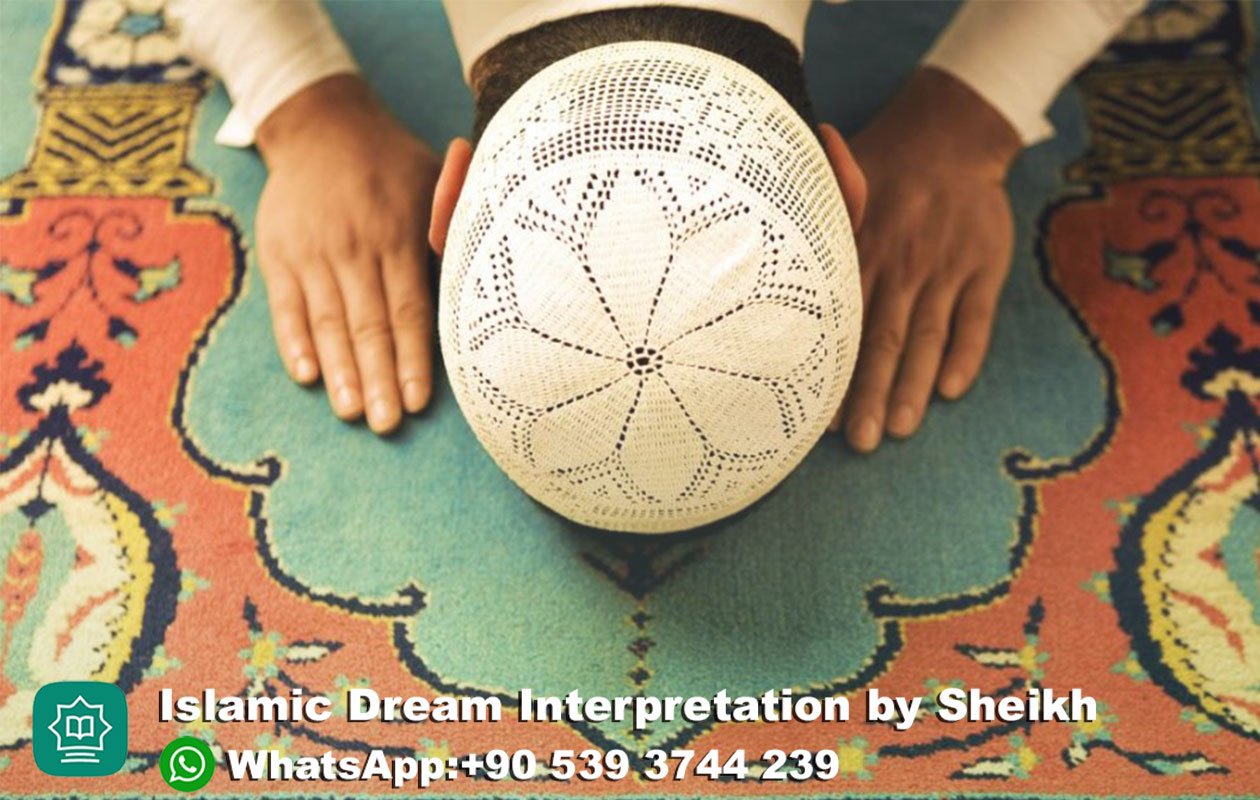
Spiritual Symbolism of Prostration in Islamic Dreams
The Spiritual Symbolism of Prostration in Islamic Dreams reflects the soul’s ultimate surrender to Allah ﷻ and the cleansing of the heart from pride, fear, and worldly attachments. In the unseen realm, sajdah represents that sacred instant when the servant’s forehead meets the earth in complete humility, echoing the angels’ obedience and the believer’s yearning for divine nearness. Dreams of such prostration often indicate answered duʿāʾ, relief after hardship, or elevation in status, especially when filled with light, calm, or gratitude. For a married woman or a man bearing responsibility, it may symbolise honour and barakah, while for a single or pregnant woman, it may bring assurance of safety, protection, and fulfilled hope.
When sajdah appears surrounded by fear, darkness, or resistance, it can warn of heedlessness or pride that needs cleansing through tawbah, istighfār, and reconciliation. Turning to dhikr and seeking guidance through istikhārah realigns the heart with obedience and inner peace.
True elevation lies in humble submission—when the forehead lowers before Allah ﷻ, the soul rises toward His mercy.
Positive Meanings of Doing Sajdah in Dream
The Positive Meanings of Doing Sajdah in Dream revolve around closeness to Allah ﷻ and acceptance of devotion. When a believer finds themselves in prostration surrounded by serenity, tears, or light, it often symbolises answered prayers, forgiveness, or protection from unseen harm. Ibn Sīrīn viewed such dreams as signs of victory after difficulty, success over enemies, or fulfilment of a heartfelt goal. For a man, it may point to divine aid in work or leadership; for a married woman, peace and mutual respect at home; and for a single or pregnant woman, purity, safety, and glad tidings.
Sajdah in a mosque, under white light, or after Fajr prayer often indicates a spiritual awakening and the acceptance of past efforts. The peace one feels during the act signals that Allah ﷻ has granted tranquillity to the heart, affirming that the dreamer’s path is blessed and their deeds are pleasing to Him.
The true joy in such a vision is not worldly gain but the reassurance that the heart turns sincerely toward Allah ﷻ—a call to continue in worship, duʿāʾ, and gratitude.
Negative or Warning Interpretations of Sajdah in Dream
The Negative or Warning Interpretations of Sajdah in Dream arise when the act of prostration feels strained, incomplete, or devoid of peace. Such dreams may reveal heedlessness in worship, pride, or neglect of duties requiring sincere repentance before Allah ﷻ. To see oneself unable to bow, interrupted in sajdah, or performing it in darkness or impurity may suggest a troubled heart weighed down by sin or injustice. For a man, it can point to deviation from fairness or unlawful income; for a woman, distress, ingratitude, or tension within the family.
When the dream brings fear, anger, or exhaustion, the message is not punishment but correction. It invites renewal of intention, acts of ṣadaqah, and steadfast istighfār and dhikr until peace returns. If the vision recurs or appears after Fajr, it may stress urgency—calling the dreamer to seek balance, tawbah, and renewed connection with the Qur’an.
A sajdah lacking serenity serves as a divine reminder to humble the heart, mend one’s ways, and return to Allah ﷻ with sincerity and purity.
Common Scenarios of Sajdah Dreams and Their Meanings
The Common Scenarios of Sajdah Dreams and Their Meanings reveal how each dream mirrors one’s relationship with humility and repentance. Performing sajdah in a mosque often signals answered duʿāʾ, relief from debt, or an elevated spiritual rank. Doing sajdah at home may reflect harmony and gratitude within the family, while doing it in public shows sincerity that influences others. Prostrating on clean white ground points to purity of intention, whereas on a dark or muddy surface, it can symbolise unresolved sins or distractions needing istighfār and tawbah.
Being unable to complete sajdah or rising in confusion may hint at obstacles in spiritual growth, urging renewed focus in ṣalāh and discipline. For women, especially during pregnancy or hardship, these dreams carry comfort and reassurance; for men, they may mark restoration of honour and lawful provision. When sajdah follows distress or occurs after Fajr, it can signify that divine relief is near.
Every form of sajdah in a dream is a personal reflection of inner surrender to Allah ﷻ—a call to strengthen worship and remain firm in humility and gratitude.
Time and Repetition of Sajdah Dreams (After Fajr, etc.)
The Time and Repetition of Sajdah Dreams (After Fajr, etc.) hold deep meaning, for the timing of a dream often shapes its message. When sajdah is seen near Fajr, it may symbolise reassurance from Allah ﷻ, answered duʿāʾ, or a new chapter of clarity. The hours before sunrise are times of purity and openness, and such dreams may foretell forgiveness or approaching blessings. By contrast, repeated visions of sajdah may reflect an ongoing divine call—a reminder to purify the heart, honour neglected duties, or increase in tawbah and remembrance.
If repetition brings calm and light, it signifies divine favour. If it carries heaviness or anxiety, it signals imbalance between worship and worldly focus. For a woman, recurring sajdah dreams can represent protection and reliance on divine decree; for a man, sincerity and integrity in earnings and action. Each repetition is a spiritual nudge to align the heart with righteousness and remain constant in ṣalāh and istighfār.
A repeated sajdah dream at sacred times is a tender reminder that Allah ﷻ is calling His servant toward renewal, humility, and continual remembrance.
Misconceptions and Cultural Beliefs About Sajdah Dreams
The Misconceptions and Cultural Beliefs About Sajdah Dreams often stem from blending folklore with Islamic understanding. Some assume that seeing oneself in sajdah guarantees wealth, marriage, or worldly success, but scholars like Ibn Sīrīn clarified that meaning depends on sincerity, context, and obedience to Allah ﷻ. Many cultures attach superstitions to such dreams—linking them to colours, omens, or fortune—while Islam teaches that dreams are not charms or predictions but reflections of the heart and faith. Relying on unfounded interpretations can lead to confusion or misplaced hope instead of trust in divine wisdom.
If a dream of sajdah leaves feelings of pride, guilt, or fear, the believer should seek balance through istighfār, dhikr, and knowledge grounded in the Qur’an and Sunnah. Reliable interpretation weighs the emotions, setting, and actions within the dream—whether the prostration was pure, disturbed, or blessed—while ignoring myths tied to luck or disaster.
The believer’s safest path is humility and discernment, turning to Allah ﷻ in duʿāʾ, tawbah, and steadfast worship whenever uncertainty arises.
What to Do After Seeing a Sajdah Dream
The What to Do After Seeing a Sajdah Dream follows the prophetic path of gratitude, reflection, and renewal. When you wake from such a vision with peace or joy, begin with sujūd of shukr, thanking Allah ﷻ sincerely, and continue the moment through extra rakʿahs, dhikr, or quiet duʿāʾ at dawn. A sajdah dream often carries reassurance that Allah ﷻ is near, accepting your efforts or guiding you toward righteousness. Keep that blessing alive through regular ṣalāh, lawful livelihood, and a heart softened by constant istighfār.
If the dream feels heavy or unsettling, respond with calm reflection, not fear. Turn to tawbah, mend relationships, and give ṣadaqah to cleanse the soul of what darkens it. The dream may also serve as a gentle reminder to perform istikhārah before important decisions and to remain protected with morning adhkār, especially if the dream returns.
Every vision of sajdah is a divine invitation to humility; the truest response is to live each day in remembrance, gratitude, and obedience to Allah ﷻ.