

The Islamic dream interpretation of Burying Someone in Dream Islam often unsettles a person because it touches deep themes of loss, responsibility, hidden matters, and emotional closure. Many readers approach this vision fearing that it signals death or separation. Our role at Best Istikhara is to guide them with clarity, compassion, and the scholarly depth that defines our method. This article begins by grounding the symbolism of burial in Qur’anic principles, Prophetic teachings, and the insights of classical scholars, then moves gradually toward scenario-based meanings to help you understand what this dream may indicate for your own life.
Because dreams arise from different states of the heart, their meanings shift widely. The interpretation of burying someone can depend on the emotion you felt, the identity of the person buried, the colour and condition of the soil, the location of the grave, or even the timing—such as a dream seen after Fajr. A married or single woman, a pregnant woman, or a man may each receive a distinct sign. Fear, calmness, urgency, silence, or struggle all reshape the meaning. As always, Best Istikhara focuses on authentic, case-specific guidance and aims to lead you from foundational meanings to detailed scenarios and practical steps rooted in Islamic understanding.
This dream might have a serious meaning. If you want your dream interpreted personally by our Sheikh, send us a message on WhatsApp: +90 539 374 42 39.
Different Conditions of Burying Someone in Dream Islam
| Different Conditions of Burying Someone in Dream Islam | Islamic Interpretation |
|---|---|
| Burying a known person in dream Islam | Seeing yourself burying someone you know often reflects unresolved matters between you and that person. Scholars mention it can symbolise ending a dispute, closing an emotional chapter, or being called to mend ties before Allah ﷻ holds you accountable. If the act feels peaceful, it hints at reconciliation or relief; if heavy or fearful, it signals a need for tawbah, restitution, and sincere duʿāʾ for the person. |
| Burying an unknown person in dream Islam | Burying someone unknown may symbolise letting go of hidden burdens or sins that the dreamer may not fully recognise. Classical scholars viewed the unknown figure as a mirror of the inner self, reminding the believer to purify intentions, increase istighfār, and step away from harmful habits before they take deeper root. |
| Burying a family member in dream Islam | Burying a parent, sibling, or close relative often points toward emotional strain or fear of losing connection. A calm burial suggests improved family unity and lifted responsibilities, while a distressed burial calls for honouring kinship ties, making duʿāʾ for them, and repairing neglected duties as commanded by Allah ﷻ. |
| Burying a friend in dream Islam | This may reflect the closing of an old friendship, feelings of guilt, or regret over past behaviour. Peaceful burial scenes indicate healing and maturity; darker scenes highlight the need for honesty, forgiveness, and restoring trust with the person if they are alive. |
| Burying an enemy in dream Islam | This often symbolises overcoming a harmful influence, ending a cycle of conflict, or gaining spiritual victory by choosing patience and restraint. It reminds the dreamer to abandon grudges and practise forgiveness for the sake of Allah ﷻ. |
| Burying someone alive in dream Islam | Burying a living person is a strong warning against injustice, silencing others, or harming someone through words or behaviour. It calls for immediate tawbah, restoration of rights, and cleansing the heart from envy, pride, or anger. |
| Being buried by someone in dream Islam | Being buried by another person reflects feeling overwhelmed, pressured, or spiritually trapped. If done peacefully, it suggests Allah ﷻ removing old burdens; if done forcefully, it warns of negative influences, hypocrisy, or unresolved sins. The dreamer should strengthen ṣalāh, duʿāʾ, and protective adhkār. |
| Repeated burial dreams meaning Islam | Repetition indicates that Allah ﷻ is drawing the dreamer’s attention to something persistent—either ongoing improvement or a recurring sin. Peaceful repetition brings glad tidings of progress, while disturbing repetition urges sincere tawbah, ṣadaqah, and effort to correct what remains unfixed. |
| Burying someone after Fajr dream meaning | Burial dreams after Fajr carry heightened clarity. When peaceful, they symbolise genuine renewal and divine ease approaching. When frightening, they serve as a strong call to address hidden faults, settle debts, and return firmly to obedience. |
| Burying someone in the house dream meaning Islam | Burial inside a home symbolises internal emotional struggles, suppressed guilt, or unhealthy secrecy. Scholars view it as a sign to purify one’s inner life, fix family-related tensions, and bring neglected matters to light through wise, gentle action. |
| Burying someone in the graveyard dream meaning | A burial in a proper graveyard often reflects closure achieved in a lawful, balanced way. It may indicate the completion of a difficult stage or acceptance of past events. It encourages gratitude, stability, and renewed focus on ibādah. |
| Burying someone in black soil dream Islam | Black or heavy soil signals spiritual heaviness or consequences attached to wrongdoing. It encourages the dreamer to seek refuge in Allah ﷻ through istighfār, ṣadaqah, and righteous deeds to lighten the heart. |
| Burying someone in white soil dream Islam | White or clean soil symbolises purity, mercy, and release from burdens. Scholars interpret it as a sign of Allah’s favour, allowing the dreamer to move into a calmer, more structured phase of life. |
| Burying someone with fear or panic dream meaning | Intense fear points to unresolved guilt, emotional instability, or avoidance of responsibilities. The dream calls for introspection, tawbah, and turning back to Allah ﷻ with sincere resolve. |
| Burying someone calmly in dream Islam | Calm burial reflects acceptance, healing, and emotional maturity. It may signal that Allah ﷻ is easing a difficulty or helping you let go of a past wound. |
| Burying someone for a married woman dream | For a married woman, this may relate to marital tensions, shifting responsibilities, or the end of a stressful phase. Peaceful scenes bring glad tidings; distressing ones call for communication, patience, and strengthening her relationship with Allah ﷻ. |
| Burying someone for a single woman dream | For an unmarried woman, the burial may symbolise emotional growth or detachment from past disappointments. Negative scenes encourage self-reflection and reassessing friendships or intentions. |
| Burying someone for a pregnant woman dream | For a pregnant woman, this symbol often reflects anxiety, fear of change, or protection from harm. If the burial is calm, scholars interpret it as reassurance; if frightening, it invites her to deepen trust in Allah ﷻ, make duʿāʾ, and seek tranquillity. |
| Burying someone for a man dream meaning | For a man, this dream may represent ending harmful habits, leaving old company, or confronting responsibilities he has postponed. Dark scenes call for serious tawbah and rectification of worldly dealings. |
| Dream of burying someone and they return alive | This image reflects unresolved matters resurfacing. It is a reminder to face lingering issues, correct past mistakes, and avoid ignoring spiritual or emotional responsibilities. |
| Dream of refusing to bury someone | Refusing the burial points to reluctance in addressing a duty or letting go of a past attachment. It encourages decisive action, honest repentance, and trusting Allah ﷻ with the outcome. |
Spiritual Symbolism of Burial in Qur’an and Sunnah
The phrase “Spiritual Symbolism of Burial in Qur’an and Sunnah” points to a deeper language by which Allah ﷻ teaches the believer about endings, transitions, and purification. In revelation, burial is not simply a final act; it marks the closure of one stage and the quiet beginning of another, a movement from what is seen to what lies with Allah ﷻ in the unseen. When this symbol appears in a dream, scholars such as Ibn Sīrīn viewed it as a sign that something within the dreamer is being covered, completed, or transformed. A calm burial with clean white soil can reflect divine mercy—removing a burden and opening a renewed phase for a married or single woman, a pregnant woman, or a man. Such dreams often nudge the believer toward gratitude, steady dhikr, and sincere effort in lawful actions.
When the burial appears dark, forceful, or hidden inside the house, or when the dreamer feels fear as someone is lowered into black soil, the image may reveal a concealed sin, a strained bond, or neglected duties. Revelation cautions against allowing such matters to remain covered without correction. Dreams like these call for heartfelt tawbah, ṣadaqah, and healing ties with those who have been wronged. Timing also shapes interpretation: a burial dream seen after Fajr can intensify the call to clarity, urging the believer to return to Allah ﷻ through istighfār, duʿāʾ, and renewed commitment to His commands.
In essence, the spiritual symbolism of burial in Qur’an and Sunnah invites the believer to face what requires healing and to let go of what Allah ﷻ has allowed to end.
Signs of Positive vs Negative Interpretations
The phrase “Signs of Positive vs Negative Interpretations” highlights the subtle cues that help distinguish whether a burial dream leans toward mercy and renewal or signals a spiritual warning. When the burial unfolds with calmness, orderly soil, and a sense of completion, many scholars saw it as Allah ﷻ allowing an old burden or hardship to be put to rest. For a married woman, this may reflect the easing of conflict; for a pregnant woman, relief from inner anxiety; for a single woman or a man, the beginning of a fresh chapter guided by lawful and responsible steps. Light or white soil, a peaceful graveyard, or a dream appearing after Fajr often points toward renewal and divine ease.
The signs shift when the burial feels forced, chaotic, or filled with fear, darkness, or blackened soil. Burying someone aggressively, hiding them in the house, or feeling guilt during the act may reflect suppressed wrongdoing, a broken relationship, or unresolved matters that need attention. Seeing oneself being buried—especially with struggle—is a serious call to realign one’s behaviour with obedience. Scholars advise increasing istighfār, offering ṣadaqah, and turning to duʿāʾ and istikhārah while taking practical steps to correct one’s path.
At its heart, the meaning depends on the dreamer’s state with Allah ﷻ and the emotional tone of the dream, guiding them toward purity, responsibility, and inner steadiness.
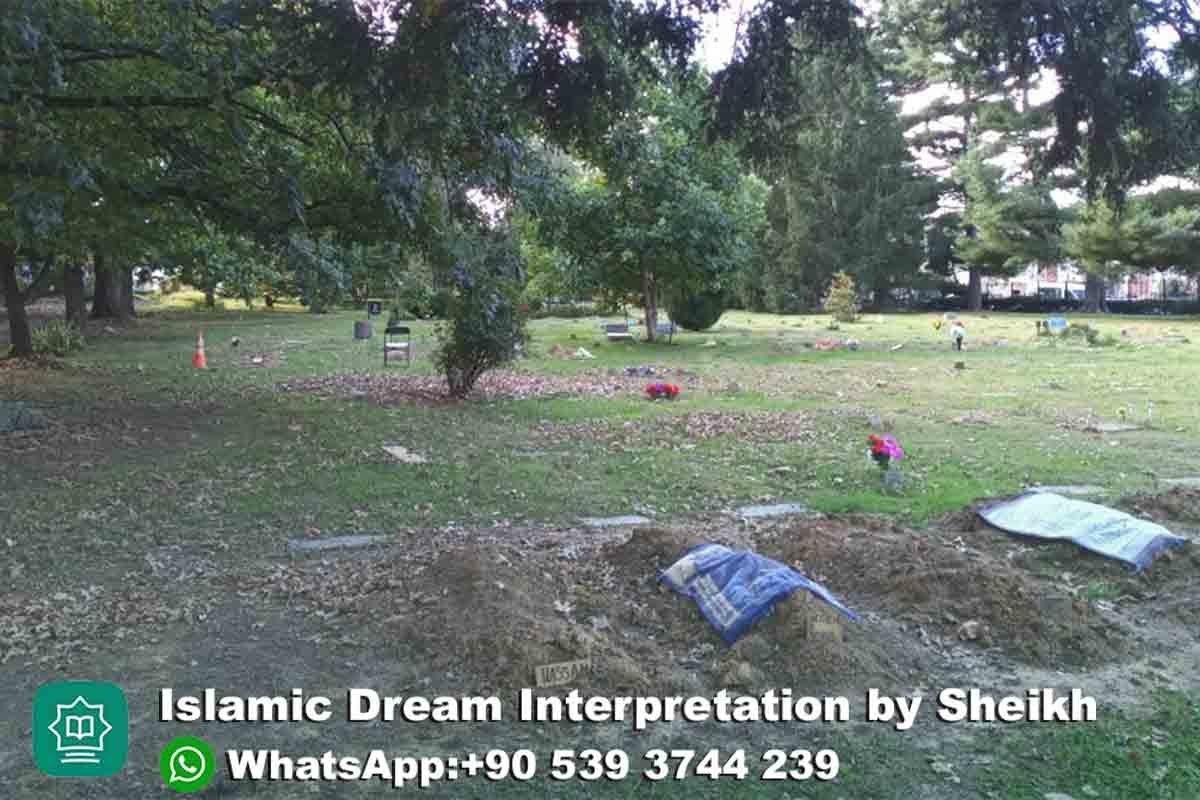
Seeing Yourself Being Buried by Someone
“Seeing Yourself Being Buried by Someone” is among the more powerful dream images. Scholars have long viewed it as a sign of profound change or a serious spiritual alert, shaped heavily by the emotional setting of the burial. When the dreamer is lowered into the earth with stillness, white soil, and no hostility, it may reflect the removal of long-held burdens or the ending of a harmful habit. In such moments, Allah ﷻ may be guiding the person toward humility and renewal. This dream can appear for a married or single woman, a pregnant woman, or a man when they are on the verge of meaningful personal change or honest repentance. Such scenes encourage steady dhikr, heartfelt duʿāʾ, and reliance on lawful means.
If the burial is frightening, forceful, or carried out by someone hostile, the image becomes a clear warning. Being placed in black soil, feeling trapped, or being buried inside the house can signal internal pressure, hidden sins, or negative influences weighing on the dreamer. These are moments to respond with immediate istighfār, stronger ṣalāh, repairing strained relationships, and offering ṣadaqah to lift unseen burdens. Dreams after Fajr often intensify this call, reminding the dreamer to correct what needs attention before harm reaches their spiritual state.
The essence of seeing yourself being buried by someone is a reminder to rise with sincerity by cleansing the heart and returning fully to Allah ﷻ.
Repeated Burial Dreams and What They Indicate
“Repeated Burial Dreams and What They Indicate” refers to a pattern that carries more weight than an isolated vision. When a dream recurs, it often signals that the heart is being alerted to something unresolved. Repeated scenes of calm burial—orderly soil, steady movements, no fear—can show that Allah ﷻ is guiding the dreamer through a process of steady cleansing and release. For a married or single woman, a pregnant woman, or a man, such repetition may reflect ongoing progress in overcoming old habits, healing emotional wounds, or entering a more disciplined and sincere phase of life. These dreams encourage consistent dhikr, duʿāʾ, and pure intention as the dreamer grows.
When repetition comes with fear, darkness, black soil, aggression, or burial inside the house, it often points to a recurring sin or strained relationship that has not been dealt with. Scholars remind the believer to respond by strengthening tawbah, giving ṣadaqah, repairing broken ties, and reinforcing the obligatory acts. Dreams that recur after Fajr often stress the urgency of correcting what has been left unattended and seeking clarity through istighfār and istikhārah.
The meaning behind repeated burial dreams is that persistent spiritual signals call for steady purification and a sincere return to Allah ﷻ.
Burying Someone After Fajr or During Specific Times
“Burying Someone After Fajr or During Specific Times” carries a heightened sense of significance because dreams close to waking can bring an issue to the surface of the heart. When this vision appears after Fajr with calm emotion, white soil, and an orderly burial, it may indicate that a transition or long-delayed matter is moving toward closure. Scholars observed that dreams near dawn—when the heart is soft and the angels witness Fajr—may reflect sincere renewal for a married or single woman, a pregnant woman, or a man striving to leave harmful habits behind. Such signals encourage gratitude, dhikr, and firm commitment to lawful actions.
By contrast, a burial dream after Fajr that carries fear, force, black soil, or occurs in the house may show that a neglected issue now demands action. These darker scenes warn the dreamer to return to Allah ﷻ through immediate tawbah, reconciling with others, restoring any rights taken, and purifying the heart with ṣadaqah and istighfār. Dreams seen after moments of intense duʿāʾ, personal stress, or before major decisions can also act as reminders to seek clarity through sincere istikhārah and to hold fast to lawful behaviour.
The core message of burial dreams appearing at significant times is to awaken, reflect, and bring one’s steps back into alignment with obedience to Allah ﷻ.
Common Misconceptions About Burial Dreams in Islam
“Common Misconceptions About Burial Dreams in Islam” addresses the misunderstandings that often create unnecessary fear. Many assume that such dreams always foretell real death or disaster, yet classical scholars taught that burial imagery frequently symbolises closure, purification, or the end of a harmful stage in life. A calm burial with white soil and no hostility can even be a sign of Allah’s mercy, lifting burdens from a married or single woman, a pregnant woman, or a man striving to improve their spiritual state. Balanced interpretation requires attention to emotion, place, and timing—especially when dreams are seen after Fajr.
Another common misunderstanding is thinking that dark or frightening burial scenes directly predict harm for a specific person. Hostile actions, black soil, or burial in the house more often reflect inner conflict, guilt, or a need for sincere tawbah and mending relationships. These dreams are not forecasts but invitations to return to Allah ﷻ through istighfār, ṣadaqah, stronger ṣalāh, and clarity-seeking duʿāʾ and istikhārah. Bringing these visions back to the guidance of Qur’an and Sunnah protects the believer from superstition and keeps interpretation rooted in truth.
The essential lesson in addressing these misconceptions is to assess every burial dream with knowledge, sincerity, and a heart ready to reform for the sake of Allah ﷻ.