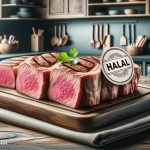
Ostrich meat, derived from the world’s largest birds, offers a unique culinary experience and has sparked considerable interest regarding its status as halal food. Intriguingly lean yet rich in nutrients, ostrich meat presents itself as a healthier alternative to traditional red meats. It boasts high levels of protein, iron, and zinc while being significantly lower in cholesterol and fat. This profile contributes to its appeal among health-conscious consumers, including those following Islamic dietary laws. The key question for many is whether ostrich meat meets the strict guidelines set by Islamic law. To be considered halal, the ostrich must be slaughtered in a manner prescribed by Sharia, which includes reciting a blessing and ensuring the animal is healthy and alive at the time of slaughter, among other criteria. This process ensures the meat is permissible for Muslims to consume, aligning with the principles of purity and ethical treatment prescribed in Islam. The growing interest in ostrich meat within the halal market underscores its potential as a sustainable and ethical food source that aligns with both dietary restrictions and modern culinary trends. Click to get more information about halal vs haram topics discussed in today’s world.
Is Ostrich Meat Halal?
Determining whether ostrich meat is halal centres around its compliance with Islamic dietary laws, which dictate specific slaughtering practices and animal treatment. For meat to be considered halal, it must come from an animal that is lawful to eat and slaughtered according to Islamic rites. These rites include the recitation of God’s name before slaughter, the use of a sharp knife to make a swift and humane cut to the throat, and the draining of blood from the carcass.
Ostriches, as non-predatory birds, are generally deemed permissible under Islamic dietary laws. Historical and contemporary Islamic scholars largely agree on this, though the bird must be slaughtered in the halal method to be suitable for consumption by Muslims. This perspective is reinforced by fatwas from Islamic countries like Saudi Arabia and the United Arab Emirates, which classify ostrich meat as halal when slaughtered correctly. However, as with all matters of religious dietary law, individuals are encouraged to consult with trusted religious authorities to ensure their practices align with their personal beliefs and the specific interpretations they follow.
Nutritional Benefits of Ostrich Meat
Ostrich meat stands out in the culinary world not only for its unique taste but also for its impressive nutritional profile, making it a preferred choice for those seeking a healthy diet. Known for its low fat and cholesterol levels, ostrich meat is a heart-friendly alternative to traditional red meats. It is particularly rich in high-quality protein, essential for muscle repair and growth, which makes it ideal for athletes and individuals looking to maintain or increase lean muscle mass.
Moreover, ostrich meat is packed with iron, which is crucial for combating anaemia and boosting energy levels. It also provides significant amounts of zinc and vitamin B12, which are essential for immune function and nerve health. Its richness in these nutrients, coupled with a lower calorie count compared to beef and chicken, positions ostrich meat as a nutritious option that can support a wide range of health goals, from weight management to improved cardiovascular health.
Halal Certification Processes for Ostrich Meat
The halal certification process for ostrich meat involves several stringent guidelines to ensure compliance with Islamic dietary laws. Firstly, the animal must be healthy and alive at the time of slaughter, which must be performed by a Muslim who is of sound mind and mature enough to understand the significance of the rituals. The process requires the recitation of “Bismillah” (In the name of Allah) and “Allahu Akbar” (God is the Greatest) during the slaughter.
The method of slaughter, known as Zabiha, involves a swift, deep incision with a sharp knife on the throat, cutting the jugular veins and carotid arteries while leaving the spinal cord intact. This method is designed to ensure the quick and humane death of the animal, minimizing its suffering and ensuring that blood is drained completely from the carcass, as the consumption of blood is prohibited in Islam.
Once slaughtered, the meat is inspected for defects and diseases, as the presence of such could render it non-halal. If passed, the meat is then processed in facilities that meet hygiene and safety standards set by halal certification bodies. These facilities must also ensure that no cross-contamination occurs with non-halal substances during the processing, packaging, and transportation phases. Each step is documented to maintain a traceable and transparent chain of custody that upholds halal integrity from farm to fork.
Conclusion
Ostrich meat presents a nutritious and sustainable option that aligns well with halal dietary requirements when processed correctly according to Islamic laws. Its low fat and high protein content make it an attractive alternative for health-conscious individuals. At the same time, its permissibility under Islamic law, as affirmed by numerous scholars and halal certifiers, ensures it meets the dietary needs of Muslim consumers. The growth in ostrich meat’s popularity reflects broader trends in health, sustainability, and ethical eating within the global food market. By adhering to halal slaughtering practices, ostrich meat not only meets religious standards but also appeals to a wider audience seeking cleaner, more traceable meat options. This convergence of health, ethics, and religion underscores the increasing importance of ostrich meat in a diverse and evolving culinary landscape.
Faq
- What does ostrich meat taste like?
- Ostrich meat is often described as tasting similar to lean beef but with a slightly sweeter edge and a tender texture. It’s known for its versatility in cooking, and it can be grilled, fried, or roasted, much like traditional meats.
- Is ostrich meat healthier than other types of meat?
- Yes, ostrich meat is considered healthier than many traditional red meats. It is high in protein and iron yet low in fat and cholesterol, making it a suitable option for those looking to maintain a healthy diet without sacrificing taste.
- How should ostrich meat be cooked?
- Ostrich meat should be cooked carefully to avoid overcooking, which can lead to toughness. It’s best-prepared medium-rare to medium to maintain its moisture and tenderness. Seasoning can be done as with other meats, according to personal taste preferences.