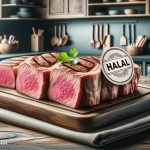
Halal, an Arabic term meaning “permissible,” governs dietary practices prescribed by Islamic law. Central to halal food guidelines is the humane and respectful treatment of animals intended for consumption, which must be healthy at the time of slaughter. The slaughtering process, known as Zabiha, requires specific rituals: the swift severance of the major blood vessels in the neck with a sharp knife while invoking the name of Allah (God) to signify gratitude and respect for the creature’s life. This practice not only aligns with spiritual purity but also promotes cleanliness and compassion in food preparation. Halal certification, provided by various global organizations, helps consumers identify food products that meet these strict dietary standards, ensuring that they adhere to their faith’s requirements. Click to get more information about halal vs haram topics discussed in today’s world.
What Makes Meat Halal?
For meat to be considered halal, which means permissible in Arabic, it must comply with Islamic dietary laws specified in the Quran and Hadith. The key aspect of halal meat is the method of slaughter, known as Zabiha. Under Zabiha, several conditions must be met: the slaughterer must be a sane adult Muslim, the name of Allah must be invoked before cutting, and the cut should be made with a sharp knife to ensure a swift, humane kill, severing the trachea, esophagus, and the main arteries and veins of the neck. This method ensures minimal suffering to the animal.
The animal itself must also be permissible according to Islamic law, which excludes pigs and animals dead prior to slaughtering. Animals must be treated well throughout their lives, fed clean, non-contaminated feed, and not be in a state of distress at the time of slaughter. Finally, the meat must not come into contact with haram (forbidden) substances during processing, storage, or transportation, which includes not only other non-halal meats or pork products but also any tool or machinery contaminated with haram substances. These stringent criteria ensure the spiritual cleanliness and physical wholesomeness of the meat consumed.
Is Moose Meat Halal?
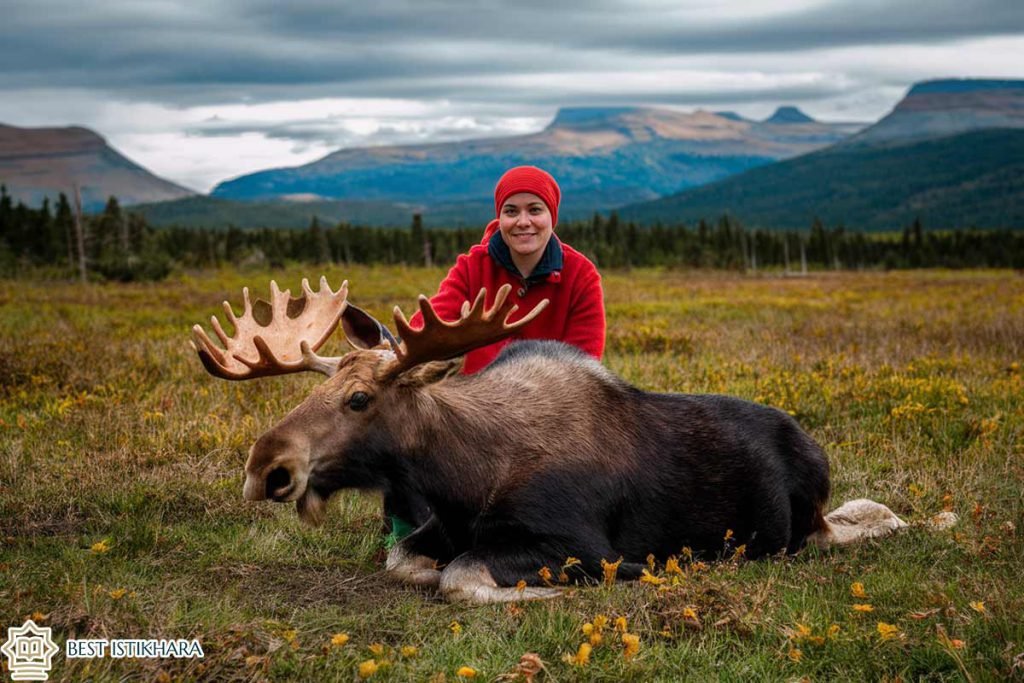
Moose meat is considered halal if it meets specific criteria set by Islamic dietary laws. First and foremost, the moose must be slaughtered according to the Zabiha method, which involves a Muslim reciting the name of Allah and swiftly cutting the throat of the animal to ensure a humane and quick death. The requirements for Zabiha include using a sharp knife and cutting the throat, windpipe, and blood vessels without severing the spinal cord.
Furthermore, the animal should not have been subjected to cruel conditions or fed any forbidden substances prior to slaughter. As long as these conditions are met, moose meat is permissible (halal) for consumption. This makes moose an option for Muslims who hunt or live in regions where moose are native, providing a valuable source of nutrition that aligns with their dietary restrictions.
Challenges in Verifying Halal Meat
Verifying halal meat involves several challenges, especially in regions where Muslims are a minority:
- The authenticity of halal certification can take time to ascertain. Not all countries have standardized regulatory bodies, and the criteria for halal certification can vary, leading to inconsistencies.
- Cross-contamination is a significant issue. Facilities that process both halal and non-halal products might not strictly adhere to halal procedures, risking contamination.
- The supply chain’s transparency is crucial but often hard to monitor.
Mislabeling and lack of information about the origin of the meat and the slaughter methods used can further complicate verification. This complexity requires consumers to rely heavily on trustworthy suppliers and certifiers who adhere strictly to halal guidelines.
Halal Certification Process
The halal certification process is a rigorous system designed to ensure that food products meet the strict dietary standards required by Islamic law. It begins with an application by a producer to a halal certification body, which then conducts a thorough review of the company’s ingredients, supply chain, and production practices. Inspectors assess whether the meat comes from permissible animals and whether the slaughtering and processing methods adhere to Islamic guidelines. This includes ensuring that the animals are slaughtered by a Muslim, with a sharp knife, and with the name of Allah invoked at the time of slaughter. The facilities must also prevent cross-contamination with non-halal substances. Once approved, the producer receives a halal certificate, often subject to periodic audits to ensure ongoing compliance. This certification is crucial for consumer trust, especially in international markets where verification might otherwise be challenging.
Conclusion
Understanding whether moose meat is halal involves recognizing the conditions under which it is procured and prepared. For Muslims, ensuring that moose meat is halal requires adherence to strict slaughtering practices outlined by Islamic law. This includes the animal being slaughtered by a Muslim who invokes Allah’s name during the process and uses a sharp blade to make a swift cut to the throat. The integrity of this process is crucial for the meat to be considered permissible. Consumers should seek halal certification or verify the slaughtering practices to ensure compliance. As global dietary preferences continue to evolve, accessing accurate and reliable information about halal food sources remains paramount for maintaining dietary observance.