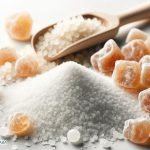

Locust Bean Gum, also known as carob gum, is derived from the seeds of the carob tree, Ceratonia siliqua, which is native to the Mediterranean region. This natural thickening agent and stabilizer is extracted through a series of processes, including drying, grinding, and sifting of the seeds to produce a fine, off-white powder. Its utility spans various industries, most notably in food production, where it serves as a key ingredient in ice creams, sauces, and dairy products due to its ability to enhance texture and retain moisture. Beyond its culinary applications, locust bean gum is celebrated for its potential health benefits, including its role in blood sugar regulation and as a source of soluble fibre. The versatility and safety of locust bean gum have made it a staple in both traditional and modern food technologies, embodying a bridge between nature and nutritional science. Click to get more information about halal vs haram topics discussed in today’s world.
The Halal Perspective on Locust Bean Gum
Locust Bean Gum is highly regarded in the food industry, not just for its functional benefits but also for its compatibility with Halal dietary laws. Derived from the seeds of the carob tree, a plant indigenous to the Mediterranean region, this natural gum serves as a thickening agent, stabilizer, and emulsifier in a variety of food products. Its plant-based origin is the first checkpoint in meeting Halal standards, ensuring it does not contain or is not processed with any forbidden (haram) substances according to Islamic law.

Why Is Locust Bean Gum Halal?
Under Islamic dietary laws, any food product or ingredient is deemed Halal if it is safe, not harmful, and not derived from or containing any part of an animal that is not slaughtered by Sharia law. Locust Bean Gum satisfies these conditions effortlessly due to its plant-based nature and the absence of any animal-derived components in its production process. Moreover, its extraction and processing do not involve alcohol or any other substances that are considered impure (najis) in Islam, further affirming its Halal status. This makes locust bean gum a suitable and trusted ingredient for Muslims around the world, adhering to their dietary guidelines while providing the functional benefits needed in food preparation and manufacturing.
The Production Process of Locust Bean Gum
The journey of locust bean gum from seed to shelf is a fascinating blend of traditional methods and modern technology. It begins with the harvesting of carob pods from the carob tree, which is then dried and cracked open to extract the seeds. These seeds undergo a de-husking process to remove the hard outer shell, revealing the valuable endosperm inside. This endosperm is then ground into a fine powder, known as locust bean gum, through a mechanical milling process.
How Locust Bean Gum Is Made
A critical aspect of locust bean gum production that impacts its Halal status is the purity of the processing environment and the absence of prohibited substances at any stage. Since locust bean gum is plant-based, its Halal status primarily depends on ensuring that cross-contamination with non-Halal items is strictly avoided. Moreover, the processing aids and equipment used must be free from any traces of alcohol or animal-derived substances. Ensuring these conditions are met is crucial for maintaining the Halal integrity of locust bean gum, making it permissible for consumption by individuals following a Halal diet. This careful attention to detail in the production process helps preserve both the purity and quality of locust bean gum, making it a trusted ingredient in Halal-certified food products.
Common Food Products Containing Locust Bean Gum
Locust Bean Gum, a versatile and valuable ingredient, is found in a myriad of food products owing to its exceptional thickening, gelling, and stabilizing properties. Its plant-based origin and compatibility with various dietary restrictions, including Halal, make it a preferred choice among food manufacturers worldwide.
Foods Containing Locust Bean Gum
Among the vast array of products, ice cream stands out as a prime recipient of locust bean gum’s benefits, providing the creamy texture and resistance to melting that consumers cherish. Dairy products such as yoghurt and cheese utilize it for their stabilizing qualities, ensuring a consistent texture and preventing separation. Bakery items, including gluten-free bread, rely on locust bean gum to improve dough elasticity and shelf life. Moreover, it’s a key ingredient in salad dressings and sauces, where it acts as an emulsifier, blending oils and vinegar seamlessly. Vegetarian jellies and vegan spreads also incorporate locust bean gum, taking advantage of its gelling abilities without resorting to animal-based gelatin. This wide application across different food categories underscores locust bean gum’s versatility and its vital role in modern food preparation.
The Health Benefits of Locust Bean Gum
Locust Bean Gum, beyond its functional role in food production, is increasingly recognized for its potential health benefits. Derived from the seeds of the carob tree, this natural gum is not just a culinary asset but also a source of nutritional advantages.
Health Benefits of Locust Bean Gum
Rich in soluble fibre, locust bean gum can aid in digestion and improve gut health by promoting the growth of beneficial bacteria. Its fibre content also contributes to a feeling of fullness, which can help in weight management by reducing overall calorie intake. Additionally, locust bean gum has been studied for its role in regulating blood sugar levels, making it beneficial for individuals with diabetes. The gum slows down the absorption of sugar in the intestine, leading to a more gradual increase in blood sugar levels. Furthermore, its high fibre content may have a positive impact on cholesterol levels, potentially reducing the risk of heart disease. These health benefits, combined with its natural and safe composition, make locust bean gum a valuable ingredient in health-conscious diets.
Certification and Verification: Ensuring Halal Compliance
The process of certifying locust bean gum as Halal is meticulous, reflecting the importance of adhering to Islamic dietary laws. This certification ensures that the product not only meets consumers’ spiritual requirements but also adheres to high standards of purity and quality.
Halal Certification for Locust Bean Gum
Halal certification is pivotal for locust bean gum, providing Muslim consumers with the assurance that the product is permissible under Islamic law. This certification involves rigorous inspection and verification processes to ensure that the production and sourcing of locust bean gum comply with Halal standards, including the absence of any haram substances throughout the supply chain. Consumers can verify the Halal status of locust bean gum products by looking for official Halal certification marks or symbols on the packaging. These symbols are issued by recognized Halal certification bodies, which conduct thorough audits and assessments of products and their manufacturing processes. Additionally, many manufacturers now include QR codes or links to detailed certification information online, offering an added layer of transparency and reassurance for consumers seeking to uphold their dietary principles.
Conclusion
The exploration of locust bean gum’s journey, from its origins in the carob tree to its role in contemporary food production and its Halal certification, illuminates its significance in the global food industry. As a versatile, plant-based ingredient, it meets both the functional requirements of food manufacturers and the dietary laws of Islamic consumers. Understanding and addressing the debates and misconceptions around its Halal status are crucial for consumer confidence. The ongoing commitment of the food industry to transparency and adherence to Halal guidelines ensures that locust bean gum remains a trusted and valuable ingredient in Halal-certified products.
FAQ
- What is locust bean gum?
- Locust bean gum is a natural food additive derived from the seeds of the carob tree. It is used as a thickener, stabilizer, and gelling agent in various food products.
- Is locust bean gum safe to consume?
- Yes, locust bean gum is considered safe for consumption by various health organizations worldwide, including the FDA and EFSA, when used within recommended guidelines.
- Why is locust bean gum used in food products?
- It is used, among other functions, to improve texture, enhance mouthfeel, stabilize emulsions, and prevent ice crystal formation in frozen products.
- Can people with dietary restrictions consume locust bean gum?
- Yes, locust bean gum is suitable for a wide range of dietary restrictions. It is gluten-free, vegan, and Halal.
- How does locust bean gum benefit health?
- It is rich in soluble fibre, which can aid digestion, promote gut health, assist in managing blood sugar levels, and potentially help with weight management.
- How can I verify the Halal status of locust bean gum in products?
- Look for products with credible Halal certification marks or symbols on the packaging which indicate compliance with Islamic dietary laws.
- Are there any environmental concerns associated with the production of locust bean gum?
- The carob trees from which locust bean gum is derived are drought-resistant and sustainable, requiring minimal cultivation intervention, which mitigates many environmental concerns.
- Can locust bean gum cause allergies?
- Allergic reactions to locust bean gum are extremely rare. However, as with any food ingredient, sensitivities can vary by individual.
- Is locust bean gum the same as guar gum?
- No, while both are plant-derived thickeners, they come from different plants and have slightly different properties and uses in food.
- Where can I find locust bean gum in my diet?
- It is commonly found in ice cream, yoghurt, cream cheese, salad dressings, and gluten-free baked goods, among other processed foods.