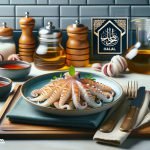
The question of whether horse meat is halal is a nuanced aspect of Islamic dietary laws. Halal, a term signifying what is permissible in Islam, extends beyond food to encapsulate ethical and health considerations. The permissibility of consuming horse meat varies among Islamic scholars, reflecting diverse interpretations of religious texts. This discussion offers a window into the intricate blend of faith, ethics, and tradition within Islam, highlighting the importance of understanding and respecting the complexities of Islamic jurisprudence and cultural practices. Click to get more information about halal vs haram topics discussed in today’s world.
The Debate on Horse Meat in Islam: Halal or Not?
The debate on the halal status of horse meat in Islam is multifaceted, reflecting the diversity within Islamic jurisprudence. Islamic dietary laws, derived from the Quran and Hadith, categorize foods into halal (permissible), haram (forbidden), and makruh (discouraged). The permissibility of consuming horse meat has been a subject of discussion among scholars, with opinions varying across different schools of thought. For instance, the Hanafi school, one of the four major Sunni Islamic schools of jurisprudence, traditionally considers horse meat makruh, advising against its consumption without explicitly forbidding it. In contrast, other Islamic traditions may view the consumption of horse meat as permissible, provided the animal is slaughtered in a halal manner, which includes reciting God’s name at the time of slaughter.
This divergence stems from interpretations of Hadiths that discuss the consumption of horse meat. Some Hadiths are seen as allowing it, especially in times of necessity, while others caution against it. Consequently, the debate is not about the impurity of horse meat but rather about adherence to Islamic law and the principles of necessity, health, and ethics. Muslims seeking to understand the halal status of horse meat should consult with knowledgeable scholars or authorities within their specific Islamic tradition, taking into consideration the varied scholarly opinions and the context of their own dietary practices.
Horse Meat in Islam: Quran & Hadith Insights
The Quran and Hadith serve as the primary sources of Islamic law, guiding Muslims on various aspects of life, including dietary laws. While the Quran does not explicitly mention the consumption of horse meat, it provides general guidelines on what is permissible (halal) and what is not (haram). The Hadith, records of the sayings and actions of the Prophet Muhammad, offer more specific insights into Islamic dietary practices, including the consumption of various types of meat.
Regarding horse meat, there are Hadiths that suggest it was consumed by the Prophet Muhammad and his companions during their times, particularly in situations of necessity. These instances provide a basis for some Islamic scholars to permit the consumption of horse meat, arguing that if it was consumed by the Prophet and his companions, it should be considered halal. However, the context of these narrations—often related to the circumstances of war and scarcity—is crucial in understanding their applicability to modern dietary choices.
Furthermore, Islamic jurisprudence emphasizes the method of slaughter as a critical factor in determining the permissibility of meat. For horse meat to be considered halal, the animal must be slaughtered in accordance with Islamic rites, which include reciting the name of Allah at the time of slaughter and ensuring the animal is treated with respect and kindness.
In conclusion, while the Quran and Hadith do not directly address the everyday consumption of horse meat, insights from the Hadith and principles of Islamic slaughter practices provide a framework within which the permissibility of horse meat can be evaluated, highlighting the importance of context, compassion, and adherence to Islamic law in dietary decisions.
Guide: Islamic Views on Horse Meat
Islamic views on consuming horse meat vary widely among scholars, reflecting the diversity within Islamic jurisprudence. This guide distills these perspectives to offer a comprehensive overview.
The core Islamic dietary principles are derived from the Quran and Hadith, emphasizing that food must be halal and tayyib (lawful and pure). While the Quran does not specifically mention horse meat, the Hadith includes narratives where horse meat was consumed, suggesting its permissibility under certain conditions.
Scholars from the Hanafi school generally consider horse meat makruh (discouraged), though not haram (forbidden), advocating for caution rather than outright prohibition. In contrast, Shafi’i, Maliki, and Hanbali schools are more inclined to permit horse meat, provided it is slaughtered according to Islamic rites.
This discrepancy highlights the importance of intention and the method of slaughter in determining the halal status of horse meat. Muslims are encouraged to consult authoritative religious guidance within their own school of thought, taking into account the animal’s treatment, slaughter process, and personal dietary ethics. This approach ensures a respectful adherence to Islamic dietary laws while navigating the diverse opinions on consuming horse meat.
Conclusion
In conclusion, the halal status of horse meat in Islam varies among scholars, influenced by interpretations of Islamic law and ethical considerations. It is essential for Muslims to seek guidance from reputable scholars within their tradition, considering the animal’s ethical treatment and slaughter methods. This decision embodies the broader Islamic principles of personal belief, religious adherence, and respect for diverse jurisprudential views.