
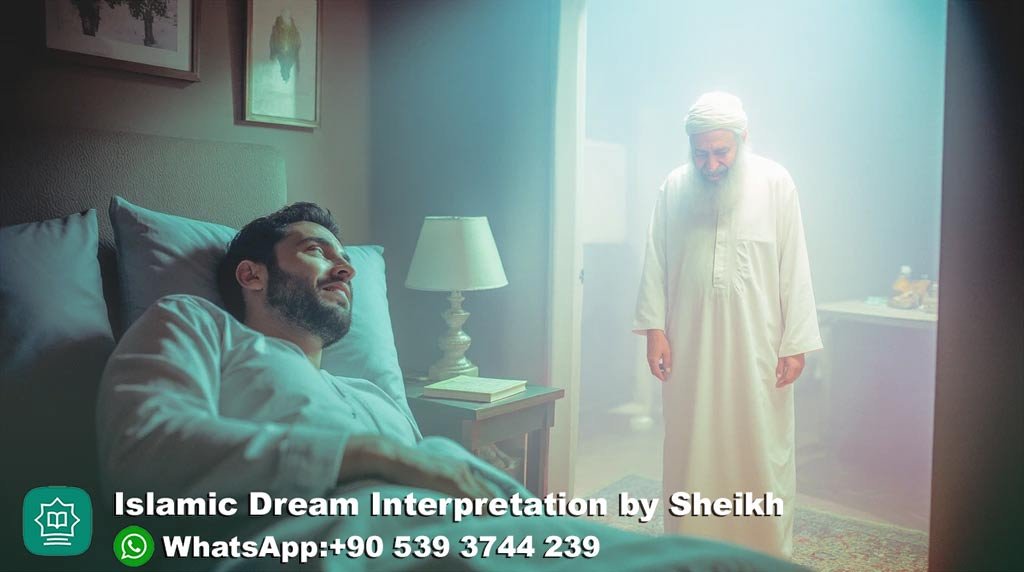
Many people wake up deeply moved after seeing a deceased loved one in a dream, unsure whether it was a message, a warning, or simply the heart’s longing. The Islamic dream interpretation of Seeing the Deceased in Dreams Islam goes far beyond surface feelings—it draws upon the Qur’an, Hadith, and the understanding of classical scholars to uncover what such encounters truly signify. At Best Istikhara, we approach these dreams with compassion and insight, seeking interpretations that reflect divine wisdom rather than superstition.
The meaning of seeing a deceased person can vary greatly depending on the dreamer’s state—whether they are married, single, pregnant, or grieving—and on the emotions and actions that occur within the dream. A peaceful smile, a warning gesture, white or black clothing, even the time of night or a vision after Fajr, all change the interpretation. This article will move from the core meanings to detailed scenarios and practical steps, helping you understand what Allah ﷻ may be showing you.
This dream might have a serious meaning. If you want your dream interpreted personally by our Sheikh, send us a message on WhatsApp: +90 539 374 42 39.
Different Conditions of Seeing the Deceased in Dreams Islam
| Different Conditions of Seeing the Deceased in Dreams Islam | Islamic Interpretation |
|---|---|
| Seeing a deceased person alive again in a dream | Seeing a dead person alive often signifies that Allah ﷻ has granted them mercy or that their good deeds continue to benefit them. It may also remind the dreamer to renew their connection with the deceased through duʿāʾ and ṣadaqah. |
| Seeing a dead person smiling in a dream | A smiling deceased person represents Allah’s forgiveness and the soul’s comfort in the Hereafter. It is a sign of reassurance and a message to stay firm on righteousness and gratitude. |
| Seeing a dead person angry or sad | This dream can signal unfinished obligations or sins requiring attention. The dreamer should offer ṣadaqah, seek forgiveness, and pray for the deceased’s peace and their own spiritual correction. |
| Talking with a deceased person in a dream | Speaking to the dead indicates a message or reminder permitted by Allah ﷻ. If the words are calm and meaningful, they guide toward faith; if harsh, they call for tawbah and mending of wrongs. |
| Being hugged by a deceased person | A peaceful embrace reflects mercy and affection, especially if the deceased was a loved one. It symbolizes divine compassion, though one should still pray for both souls. |
| A deceased person calling your name | Hearing your name from the deceased may warn against heedlessness or sinful habits. It is a wake-up call to renew one’s īmān, do dhikr, and seek Allah’s protection. |
| A dead person giving you something | Receiving food, clothing, or advice from the deceased is often a sign of blessings, knowledge, or barakah. However, taking harmful or dark objects may signal caution in one’s affairs. |
| Giving something to a deceased person | Handing over money or items to the dead symbolises loss or the need to detach from worldly worries. Offer ṣadaqah and duʿāʾ to convert this into reward. |
| Seeing a deceased parent in a dream | A parent’s visit is a divine mercy. If they appear calm, it signals blessings; if upset, it may reflect unfulfilled duties such as debts or neglected prayers for them. |
| Seeing a deceased mother | A deceased mother symbolises compassion, care, and spiritual guidance. If she speaks kindly, it’s a sign of divine favour; if silent, it invites reflection and repentance. |
| Seeing a deceased father | Seeing a dead father alive again represents strength, guidance, and protection. If he appears sad, it may mean the dreamer must fulfil his wishes or correct past neglect. |
| Seeing multiple deceased people | When many deceased appear together peacefully, it symbolises barakah and communal mercy. If they seem chaotic or angry, it indicates the need for repentance in society or the family. |
| Seeing a dead person in your house | A deceased person entering the home signifies divine reminder and possible barakah through remembrance. If fearful, it calls for purification of the home with dhikr and Qur’an recitation. |
| Seeing a deceased person praying | The deceased praying shows the reward of faith and a reminder to the dreamer to maintain ṣalāh and consistency in worship. It reflects Allah’s mercy over the believer’s soul. |
| Seeing a deceased person crying | Tears of joy mean Allah’s forgiveness; tears of pain reflect the need for the dreamer’s duʿāʾ and charity for the deceased. It is a call to spiritual empathy and good deeds. |
| Seeing a deceased person angry at you | This dream suggests wronging others, neglecting prayers, or breaking ties. The dreamer must repent, reconcile, and ask Allah for forgiveness for both souls. |
| Seeing a deceased person eating | If the dead eats lawful food, it signifies blessings and reward; if strange or forbidden food, it warns of unlawful income or negligence in worship. |
| Seeing a deceased person silent | Silence from the deceased often reflects the need for reflection. It may indicate unanswered prayers or forgotten promises. The dreamer should increase duʿāʾ and remembrance. |
| Seeing a deceased person wearing white | White garments signify purity, forgiveness, and paradise. It is a strong sign that the deceased is at peace and that Allah ﷻ has accepted their deeds. |
| Seeing a deceased person wearing black | Black clothing may symbolise regret, grief, or the dreamer’s spiritual burden. Seek Allah’s mercy and purify the heart with tawbah and charity. |
| A deceased person guiding you somewhere | Being guided by the dead often indicates divine direction. If the path is bright, it shows righteousness; if dark or confusing, it warns against temptation or sin. |
| A deceased person asking for water or food | The dead requesting sustenance represents their need for prayers and charity. Offering ṣadaqah or reciting Qur’an in their name benefits their soul. |
| A deceased person returning to life temporarily | When the dead return to life briefly, it reminds the dreamer of resurrection and accountability. It calls for gratitude, repentance, and awareness of life’s impermanence. |
| A deceased person lying on a bed | A peaceful posture suggests rest and divine mercy. If restless, it may warn that the dreamer must correct a broken promise or neglected duty. |
| Seeing an unknown deceased person | An unfamiliar dead person may symbolise a general warning from Allah ﷻ to correct one’s path. The dream urges tawbah and remembrance of death. |
| For a single woman seeing a deceased person | For a single woman, such dreams may signify emotional healing or divine comfort. If the deceased is calm, it reflects Allah’s care and the promise of spiritual stability. |
| For a married woman seeing the deceased | This vision often reminds her to strengthen her household’s spirituality and make duʿāʾ for her family and ancestors. Peaceful scenes suggest harmony; distress calls for tawbah. |
| For a pregnant woman seeing the deceased | A calm, smiling deceased in a pregnant woman’s dream signals protection and divine blessing for the unborn child. Anxiety or fear calls for remembrance and seeking Allah’s refuge. |
| For a man seeing the deceased | For men, it may symbolise a test of responsibility or a reminder to uphold justice and prayer. A peaceful encounter reflects divine approval of one’s direction. |
| Seeing the deceased after Fajr | Dreams after Fajr are often closer to true visions (ruʾyā ṣāliḥah). Such a dream carries higher spiritual weight and should inspire duʿāʾ and reflection. |
| Repeated dreams of the same deceased person | Repetition shows persistence from Allah ﷻ to draw attention to a moral or spiritual matter. Renew prayers for the deceased and seek guidance through istikhārah. |
| Seeing the deceased in a graveyard | A calm graveyard scene symbolises peace and forgiveness; a dark or frightening one calls for repentance and remembrance of death’s reality. |
| Seeing the deceased entering your room | When the dead enter a private place, it signals a personal reminder. If the presence feels peaceful, it means comfort; if uneasy, cleanse the space with Qur’an and dhikr. |
| Seeing the deceased laughing | Laughter from the dead indicates joy in the Hereafter and Allah’s pleasure. It assures the dreamer of mercy and encourages steadfastness in good deeds. |
| Seeing the deceased giving advice | Receiving advice from the dead is a sacred reminder permitted by Allah ﷻ. The dreamer should listen, reflect, and ensure the advice aligns with Qur’an and Sunnah. |
| Seeing the deceased sick | Illness in the deceased may symbolise spiritual debt or neglected duʿāʾ from the living. The dreamer should pray, give charity, and ask Allah for their healing in the Hereafter. |
| Seeing the deceased sleeping peacefully | This vision symbolises rest and divine peace. It is often a reflection of the soul’s comfort and Allah’s mercy over the deceased. |
| Seeing the deceased in a bright place | A luminous environment signifies Allah’s forgiveness, paradise, and acceptance. It is a reassuring sign for both the deceased and the dreamer. |
| Seeing the deceased in darkness | Darkness indicates distance from divine remembrance or unresolved matters. Increase istighfār, renew faith, and make duʿāʾ for the deceased’s ease. |
| Seeing the deceased in Mecca or Medina | Such a dream is among the best symbols, reflecting piety and Allah’s mercy. It shows divine favour and may signify forgiveness and acceptance of good deeds. |
| Seeing the deceased crying from joy | Joyful tears mean the deceased’s sins are forgiven, and their soul is in peace. It is a reminder to the dreamer to maintain gratitude and prayer. |
Meaning and Importance of Seeing the Deceased in Islam
The Meaning and Importance of Seeing the Deceased in Islam lies in how Allah ﷻ allows the unseen to touch the hearts of the living. Such dreams often reflect divine mercy, reminding the believer of accountability, love, or duties left incomplete. Scholars like Ibn Sīrīn and al-Nābulsi noted that when the deceased appears calm, smiling, or dressed in white, it can signify their peaceful state or a reassuring message for the dreamer. Yet if they seem distressed, silent, or turn away, it may call the dreamer to tawbah, istighfār, or to give ṣadaqah on their behalf.
The emotional tone of the dream is central. Joy and serenity point to divine acceptance, while darkness, fear, or aggression encourage self-examination and the mending of broken ties. Dreams seen after Fajr or during spiritual purification are often closer to true visions (ruʾyā ṣāliḥah). A believer should respond with dhikr, duʿāʾ for the deceased, and honest reflection on their deeds so the dream becomes a means of guidance rather than worry.
Every vision of the dead is a quiet call from Allah ﷻ to purify the heart and strengthen the bond through prayer and righteous action.
Signs the Deceased Brings a Message or Warning
The Signs the Deceased Brings a Message or Warning are often subtle yet deeply personal, carrying meanings that reach both heart and conscience. In Islam, when a departed soul appears calm, dressed in white, and speaks softly, it may indicate divine approval or a reminder to remain firm in obedience to Allah ﷻ. Such dreams can bring good news—especially when the deceased conveys peace, smiles, or guides the dreamer toward dhikr and righteous deeds. When the dead appear restless, angry, or in dark garments, scholars such as Ibn Sīrīn saw this as a call for tawbah, restitution, or ṣadaqah, either for the deceased’s soul or for the dreamer’s spiritual cleansing.
If the deceased warns, gestures, or refuses to engage, it may symbolise neglected duties, strained family ties, or unlawful earnings that need correction. These dreams often occur after Fajr or during moments of spiritual openness, reminding the believer to seek clarity through istikhārah, duʿāʾ, and sincere self-review. Responding with humility, charity, and remembrance aligns the heart with divine mercy.
Every message from the deceased—whether gentle or severe—invites the believer to return to Allah ﷻ through repentance and sincere action.

Difference Between True Vision and Imagination in Such Dreams
The Difference Between True Vision and Imagination in Such Dreams depends on the purity of the soul and the state of the heart at rest. True visions (ruʾyā ṣāliḥah) are from Allah ﷻ and bring clarity, calm, and purpose, often occurring in the early morning, such as after Fajr. They leave the dreamer at peace, remembering Allah, never confused or afraid. When the deceased appears radiant, clothed in white, or delivers a message encouraging prayer, charity, or unity, it is often a true sign meant for reflection and action.
Dreams born of imagination (ḥulm or nafs) arise from personal grief, anxiety, or longing. These may show the dead acting unnaturally—angry, silent, or aggressive—without any spiritual coherence. Such images should not be acted upon but purified through istighfār, duʿāʾ, and steadfast worship. Ibn Sīrīn taught that the outcome reveals the source: if the dream leads to obedience, it carries meaning; if it distracts or frightens, it should be set aside.
Recognising the difference between a divine vision and imagination allows the believer to respond wisely, seeking truth through istikhārah and remembrance of Allah ﷻ.
Positive vs Negative Meanings When Seeing the Dead
The Positive vs Negative Meanings When Seeing the Dead depend on the condition of the deceased, the emotions felt, and the context Allah ﷻ permits the dreamer to witness. When the deceased appears peaceful, smiling, wearing white or green garments, or entering a bright and clean place, it is often a sign of their good standing in the Hereafter or Allah’s mercy upon them. Such dreams bring comfort and strengthen the dreamer’s faith, inspiring them to continue duʿāʾ and good deeds that benefit both souls.
When the deceased is seen distressed, silent, angry, or wearing dark and torn clothing, scholars like Ibn Sīrīn and al-Nābulsi considered this a warning. It may point to unresolved duties—neglected debts, broken promises, or the need for ṣadaqah and istighfār. If the dream stirs fear or confusion, it calls the believer to purify their heart, mend relationships, and renew tawbah.
Whatever the form, the dream should lead to reflection and sincerity, guiding the believer toward humility and closeness to Allah ﷻ.
Repeated Dreams of the Same Deceased Person
Repeated Dreams of the Same Deceased Person often reveal a spiritual or emotional bond allowed by Allah ﷻ as a mercy or reminder. When such dreams bring warmth, calm, or familiarity, they may reflect the deceased’s peaceful state and the continuing link sustained through duʿāʾ and good deeds. A recurring peaceful presence, particularly after Fajr or in moments of remembrance, suggests divine acceptance and shared benefit between the living and the departed.
If, however, these dreams cause unease—showing the deceased in distress, silence, or dark clothing—they may serve as a warning to renew istighfār, give ṣadaqah, or fulfil an obligation owed to the deceased. Ibn Sīrīn observed that repetition itself carries meaning: Allah ﷻ allows persistence when a moral or spiritual correction is required. Keeping regular dhikr, offering prayer, and seeking insight through istikhārah help align the heart with divine wisdom.
A recurring vision of the dead is never random—it is a compassionate call from Allah ﷻ toward remembrance, repentance, and lasting charity that unites both worlds in mercy.
Spiritual Messages and Guidance Behind the Dream
The Spiritual Messages and Guidance Behind the Dream show how Allah ﷻ conveys reminders to the believer’s heart through symbolic and merciful signs. When the deceased appears serene, dressed in white or green, or offers comforting words, it may reflect Allah’s acceptance of their deeds and reassurance to the dreamer. Such dreams nurture gratitude, persistent duʿāʾ, and righteous living, reminding the believer of life’s temporary nature. For men and women alike—married, single, or expecting—these moments often renew spiritual awareness and inspire faith.
If the dream instead brings sadness, silence, or warning, it urges sincere tawbah, charity, and reconciliation with others. The timing—especially after Fajr or during days of increased remembrance—may mark divine intent to awaken the soul toward purity. Scholars like Ibn Sīrīn taught that every meaningful dream of the deceased carries a moral compass, guiding the believer to strengthen their bond with Allah ﷻ through prayer, istikhārah, and mindful living.
The purest message in such dreams is always mercy—a gentle summons to renew faith, soften the heart, and live in remembrance of the inevitable meeting with Allah ﷻ.
Common Misconceptions About Seeing the Dead in Islam
The Common Misconceptions About Seeing the Dead in Islam often come from cultural habits or emotions rather than clear understanding based on the Qur’an and Sunnah. Some assume every dream of the deceased is a supernatural visit or that the dead can communicate freely, whereas true visions occur only by the will of Allah ﷻ. Scholars like Ibn Sīrīn and al-Nābulsi explained that many dreams simply reflect memory or emotion, while others are divinely guided reminders meant to encourage dhikr, tawbah, or ṣadaqah—not fear.
It is also mistaken to think that seeing the deceased in darkness or distress always signals punishment; such images can mirror the dreamer’s own spiritual struggles or worries. Likewise, seeing the dead in one’s house, smiling or feeding others, does not guarantee intercession but can symbolise mercy or barakah through remembrance. The believer should not act impulsively on such dreams but pause for reflection, duʿāʾ, and seek understanding through knowledge and istikhārah.
The surest way to avoid misunderstanding is to weigh every dream against Islamic principles, respond with patience and prayer, and entrust its meaning to Allah ﷻ alone.
What to Do After Dreaming of a Deceased Person
The guidance on What to Do After Dreaming of a Deceased Person begins by turning the heart sincerely toward Allah ﷻ in humility and remembrance. Upon waking—whether from a comforting or unsettling dream—the believer should first make duʿāʾ for the deceased, asking Allah to forgive them, elevate their rank, and fill their grave with light. If the dream brings peace, it may reflect divine mercy and encourage steadfastness in faith; if it brings unease, it calls for istighfār, ṣadaqah, and honest self-review.
Ibn Sīrīn advised that acts of kindness, such as feeding the poor or repairing family ties, bring calm to both the dreamer and the deceased. For men or women, married or single, seeing the dead in the house or familiar places can serve as a reminder to renew duʿāʾ and fulfil neglected duties. Offering two rakʿahs of voluntary prayer, seeking clarity through istikhārah, and maintaining dhikr help the dreamer find peace and interpret the vision with wisdom.
The believer’s role after such a dream is to respond with compassion, remembrance, and good deeds—turning the experience into a path of purification and nearness to Allah ﷻ.