

The Islamic dream interpretation of seeing a dead cat alive in a dream can be unsettling and evoke a range of emotions. Such dreams, involving the resurrection of a deceased creature, may cause confusion and concern, especially when the cat’s behavior or presence in the dream appears out of place. At Best Istikhara, we understand that these dreams can weigh heavily on the heart, and we approach the interpretation with compassion and clarity, grounded in the Qur’an, Sunnah, and insights from classical scholars.
The meaning of seeing a dead cat come back to life can vary depending on several factors—such as the dreamer’s personal situation, emotions, and actions within the dream. Whether the cat is friendly or aggressive, black or white, or engages in activities like biting, scratching, or simply watching, each detail influences the overall interpretation. Best Istikhara offers authentic, case-specific guidance, progressing from core meanings to detailed scenarios and practical steps.
This dream might have a serious meaning. If you want your dream interpreted personally by our Sheikh, send us a message on WhatsApp: +90 539 374 42 39.
Understanding the Islamic Dream Interpretation of Seeing a Dead Cat Alive
Understanding the Islamic Dream Interpretation of Seeing a Dead Cat Alive carries profound meanings that can be either a sign of change or a warning. In Islamic tradition, animals in dreams often represent hidden aspects of our lives, with cats symbolizing traits like deceit or subtle harm. When a dead cat comes back to life in a dream, it may signal the revival of unresolved matters or past harms resurfacing, urging the dreamer to seek resolution. Such dreams are commonly interpreted as an indication that something previously thought to be gone or settled has the potential to resurface, and this can be either beneficial or detrimental depending on the context.
If the dream is accompanied by feelings of peace or relief, it may be a sign that a difficult period will come to an end, bringing new opportunities for growth and healing. However, if the dream provokes fear or unease, it may be a warning of lingering negative influences, suggesting that the dreamer should turn to Allah ﷻ for forgiveness through duʿāʾ, istighfār, and possible acts of ṣadaqah to purify themselves. The color of the cat, its behavior, and its actions during the dream also play a crucial role in determining the exact meaning. For instance, an aggressive cat may represent conflict or hidden enmity, while a more passive cat may reflect suppressed emotions or fears.
To rectify any negative associations in the dream, it is essential to engage in regular remembrance of Allah ﷻ (dhikr), seek guidance through istikhārah, and ensure that one’s actions align with the righteous path. Ensuring peace in personal relationships and attending to unresolved matters may also bring clarity and peace of mind. A dream of a dead cat alive requires introspection and action, so that the dreamer can move forward with a purified heart and clear conscience.
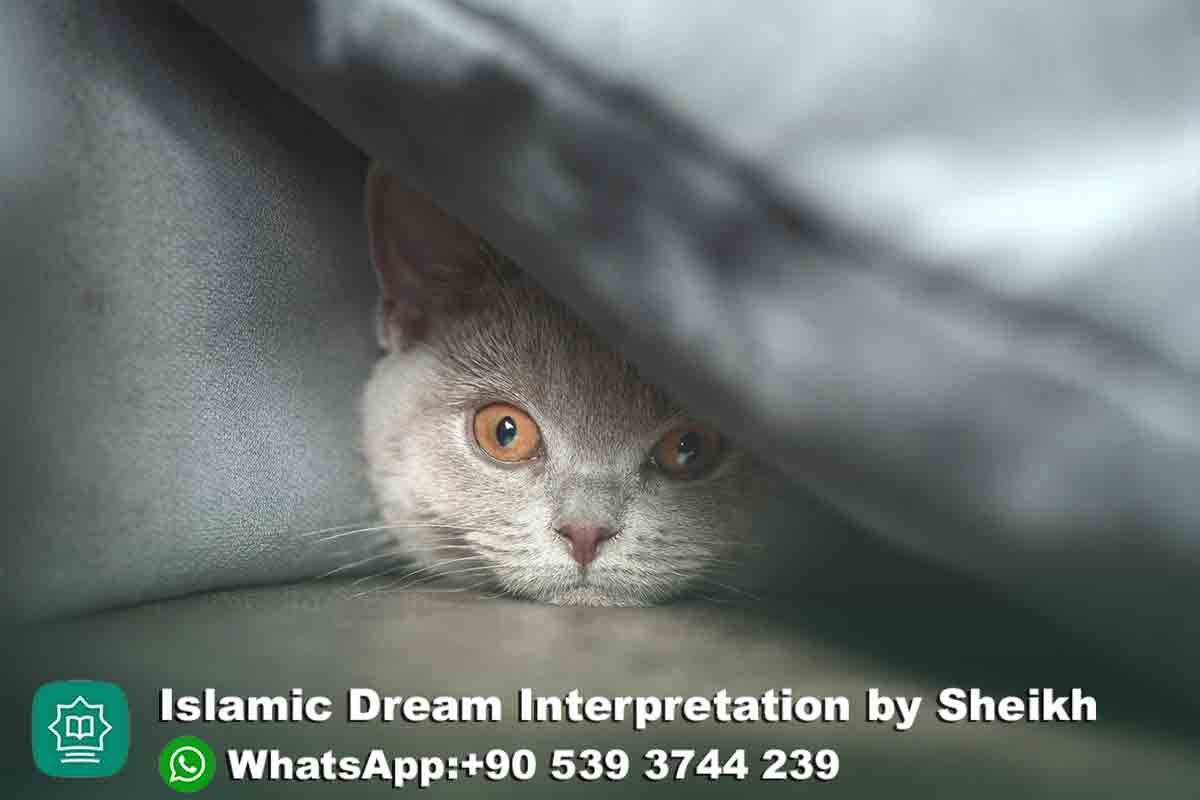
Key Meanings of Seeing a Dead Cat Come Back to Life
Key Meanings of Seeing a Dead Cat Come Back to Life in a dream reflect a deeper spiritual message, often related to unresolved matters or the revival of past issues. In Islamic dream interpretation, the cat is typically associated with deceit, hidden threats, or subtle harm. When a cat thought to be dead returns to life, it can indicate that something once thought to be concluded—whether a personal conflict, a lingering fear, or a past sin—is being revived in the dreamer’s life. This revival may be a reminder from Allah ﷻ to address these unresolved matters and seek His forgiveness through duʿāʾ and istighfār.
If the dream evokes a sense of peace or hope, it can signal that past struggles will soon come to an end, offering an opportunity for healing and renewal. On the other hand, if the dream causes discomfort or fear, it serves as a warning. The dreamer may be facing hidden enmity, unresolved conflicts, or even neglected obligations that need immediate attention. Acts of ṣadaqah, seeking reconciliation, and striving for spiritual purification are essential steps in rectifying these matters. The specific behavior of the cat, its color, and the emotional tone of the dream can further guide the interpretation, with an aggressive cat signaling more urgent concerns, while a passive one points to suppressed emotions or minor unresolved issues.
The key takeaway from this dream is to reflect on any lingering issues in your life, seek Allah’s guidance through istikhārah, and take sincere steps to mend your heart and relationships.
Positive vs Negative Interpretations of a Dead Cat Revived in Dreams
Positive vs Negative Interpretations of a Dead Cat Revived in Dreams reveal contrasting meanings, depending on the context of the dream and the emotions it invokes. A positive interpretation arises when the dream brings a sense of relief or peacefulness. In such cases, the revival of the dead cat may symbolize the overcoming of past obstacles, the healing of long-standing wounds, or the resolution of hidden conflicts. This type of dream is a sign from Allah ﷻ that difficulties are ending, and the dreamer is being granted a fresh start. It may also be an indication that a situation thought to be lost or irreparable is being revived, offering new hope for reconciliation or spiritual growth.
On the other hand, a negative interpretation may occur when the dream causes unease, fear, or distress. In these cases, the revived cat might represent unresolved issues, deceit, or hidden dangers that are resurfacing in the dreamer’s life. The dream can be a warning to address unresolved conflicts, sins, or negative emotions that have been suppressed. If the dream involves a black or aggressive cat, the warning becomes more pronounced, urging the dreamer to seek Allah’s ﷻ forgiveness through sincere tawbah, engage in istighfār, and cleanse their heart by giving ṣadaqah. Acts of kindness, mending broken relationships, and seeking clarity through istikhārah can help turn these negative signs into opportunities for growth.
The key takeaway is to reflect on any unresolved matters and seek spiritual guidance and purification through duʿāʾ and righteous deeds.
Timing and Frequency: How Timing Affects the Interpretation
Timing and Frequency: How Timing Affects the Interpretation of a dream about a dead cat coming back to life can significantly shape its meaning. Islamic dream interpretation emphasizes the timing of the dream as a key factor in understanding its message. For instance, if the dream occurs after Fajr, a time of purity and closeness to Allah ﷻ, it may indicate that a fresh start or spiritual renewal is on the horizon. Such a dream, especially when accompanied by feelings of peace, could symbolize the end of a difficult phase, signaling Allah’s ﷻ mercy and a chance for the dreamer to turn towards new opportunities or healing.
On the other hand, if the dream appears during the night or at a time of restlessness, it may indicate unresolved spiritual issues or past mistakes that need attention. The frequency of such dreams also plays a role in its interpretation. Repeatedly dreaming of a dead cat revived may point to lingering concerns or unresolved conflicts that are demanding the dreamer’s attention. It may be a call for istighfār and self-reflection to mend ties, purify one’s heart, and seek Allah’s ﷻ guidance through duʿāʾ and istikhārah.
The key takeaway is to consider the timing and recurrence of the dream, using it as an opportunity to engage in sincere repentance and seek Allah’s ﷻ forgiveness and guidance.
Practical Guidance for Interpreting Your Dream of a Dead Cat Alive
Practical Guidance for Interpreting Your Dream of a Dead Cat Alive involves reflecting on the emotions and circumstances surrounding the dream, as well as seeking spiritual clarity. If the dream evokes peace or a sense of renewal, it may signal the end of difficulties and the beginning of a new chapter in your life. It is a sign from Allah ﷻ that blessings and opportunities are on the horizon. In this case, you should express gratitude through duʿāʾ, engage in acts of worship, and consider asking for guidance through istikhārah to make wise decisions moving forward.
However, if the dream causes discomfort or fear, it serves as a warning. The revived cat may represent unresolved matters, hidden deceit, or emotional burdens that require attention. In such cases, you should turn to Allah ﷻ for forgiveness through sincere tawbah, reflect on any wrongdoings, and seek to mend relationships that may have been damaged. Offering ṣadaqah, making duʿāʾ for protection, and engaging in regular dhikr will help purify your heart and cleanse any negativity. Also, paying attention to the cat’s actions—whether it is aggressive, passive, or harmless—provides further insight into the nature of the issue at hand.
The key takeaway is to use the dream as an opportunity for self-reflection, seeking Allah’s ﷻ forgiveness, and taking righteous actions to resolve any unresolved spiritual or personal matters.
Cautions and Misconceptions in Islamic Dream Interpretation
Cautions and Misconceptions in Islamic Dream Interpretation are important to address, especially when it comes to complex dreams such as seeing a dead cat come back to life. One common misconception is that all dreams with negative imagery automatically point to impending harm or misfortune. However, Islamic teachings remind us that dreams are not to be seen as certain prophecies but rather as guidance, reflections of the subconscious, or tests from Allah ﷻ. While a dead cat coming back to life may seem ominous, it is essential to interpret it within the context of the dreamer’s personal circumstances, emotions, and actions within the dream. A dream that causes fear or anxiety does not necessarily indicate bad news, but rather a prompt to seek spiritual purification and resolve any internal or external conflicts.
It is also important to avoid becoming overly concerned with minor details or rushing to conclusions. Dream interpretation is a nuanced process, and it should not be based on superstitions or assumptions. It is recommended to approach the interpretation with a balanced mindset, relying on Islamic teachings and seeking guidance through duʿāʾ and istikhārah when needed. If a dream brings discomfort or distress, it should lead the dreamer to increase their remembrance of Allah ﷻ (dhikr), engage in acts of worship, and seek forgiveness through istighfār. Additionally, practical steps like repairing relationships, giving ṣadaqah, and reflecting on one’s actions are essential to address any negative aspects that may arise from the dream.
The key takeaway is to avoid jumping to conclusions or relying on misconceptions, and instead, seek clarity and guidance from Allah ﷻ, engaging in self-reflection and righteous actions.