


Interpretation of Ocean in a Islamic Dream
Dreaming of the ocean can feel powerful because the sea naturally suggests vastness, depth, movement, danger, and resources beyond immediate reach. In Islamic dream interpretation,

What Does Drowning in a Dream Mean in Islam?
Dreaming about drowning can feel frightening, but Islam does not establish one fixed meaning for a drowning dream. Depending on the details, it may reflect

Seeing & Drinking Water in Islamic Dream
Seeing or drinking water in a dream is often read positively in later Islamic dream literature, especially when the water is clean, fresh, and pleasant

Dreaming of Used Clothes in Islam
In Islamic tradition, seeing used clothes in a dream is not simply an ordinary vision—it may carry deep symbolic meanings related to past experiences, personal transformation, humility, and sometimes emotional or spiritual conditions. However, the meaning is not the same for everyone. Were the clothes clean or dirty? Did you wear used clothes, receive them from someone, or see another person wearing them? Each detail may reveal a different message about your life circumstances, relationships, hidden worries, or spiritual journey.
If you have dreamed of used clothes and you are still unsure about their Islamic meaning, don’t leave the interpretation to assumptions.
Share your dream with our trusted dream interpreter, Sheikh Imen Hossein, for a personalized Islamic dream interpretation based on traditional Islamic sources and principles.
Message us on WhatsApp now: +90 539 374 42 39

Seeing Rain in Islamic Dream
Seeing rain in a dream is often read positively in later Islamic dream literature, especially when the rain is gentle, beneficial, and causes no harm.
Seeing Raw Fish in Dream Islam
Seeing raw fish in a dream has no fixed meaning in the Qur’an or the authentic Sunnah. Later dream literature usually treats fish as a

Seeing Silver Fish in Dream Islam
The Qur’an and the authentic Hadith collections do not appear to contain a specific text about a silver fish in a dream. Its meaning therefore

Dead Person Holding My Hand in Dream Islam
No verse of the Qur’an and no authentic hadith fixes a meaning for a deceased person holding your hand in a dream. What later interpreters

Big Lizard Islamic Dream Interpretation
A big lizard in a dream is most often read as a sign of a deceptive or resentful person, or of an unresolved worry. No
Dreaming of Toad in Islam
Seeing a toad in a dream can feel strange, uncomfortable, or meaningful, especially if it was entering your house, attacking you, making noise, appearing black or green, or being killed by you. In Islamic dream interpretation, a toad in a dream may symbolize a pious person, spiritual guidance, hidden jealousy, toxic individuals, deception, or a warning to be careful about the people around you. The meaning depends on the details of the dream: was the toad inside your house, attacking, biting, dead, giant, black, green, or making a loud sound? :contentReference[oaicite:0]{index=0}
A green toad in a dream may represent spiritual growth, healing, and the companionship of a righteous person, while a black toad can warn of hidden malice, jealousy, or a toxic person in your close circle. A toad entering your house may indicate the arrival of a pious individual and blessings, but if it creates fear, it can be a warning about someone disturbing your family’s peace. Killing a toad may symbolize overcoming harmful influences and defeating hidden enemies. This dream should not be interpreted by a single symbol alone; its true meaning depends on the toad’s condition, your emotions, and your current life circumstances. :contentReference[oaicite:1]{index=1}
At Best Istikhara, Sheikh Imen Hossein can help you understand whether your toad dream is connected to spiritual guidance, righteous people, hidden enemies, jealousy, toxic relationships, family concerns, or Allah’s protection and warning. Instead of relying on a general online meaning, receive a personal and detailed Islamic dream interpretation based on the Qur’an and authentic Islamic sources.
Send your dream now on WhatsApp: +90 539 374 42 39
A toad dream may carry a message about the people around you, spiritual awareness, and the need to protect yourself from harmful influences. Do not ignore the message your dream may be revealing.

Dreaming of Lamb in Islam
Some dreams carry deeper meanings beyond what we see on the surface they may hold a spiritual reminder. When a lamb appears in your dream, it may symbolize blessings, purity, provision (rizq), or a meaningful responsibility in Islamic dream interpretation. But the exact meaning can change depending on the details: Was the lamb white or black? Were you feeding it, holding it, or did you see it entering your home?
Every detail of your dream may carry a symbolic meaning, but understanding its message requires knowledge of Islamic dream interpretation and the wisdom of traditional scholars.
If you have recently seen a lamb in your dream and want to understand what it could mean according to Islamic teachings, don’t rely on assumptions.
Ask our trusted Islamic dream interpreter Sheikh Imen Hossein directly on WhatsApp:
Message Now on WhatsApp: +90 539 374 42 39.
Your dream of a lamb may contain a meaningful sign that deserves careful reflection.
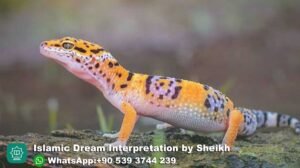
Dreaming of Gecko in Islam
Seeing a gecko in a dream can feel disturbing, uncomfortable, or mysterious, especially if it was biting you, falling on you, running away, entering your house, or appearing unusually large. In Islamic dream interpretation, a gecko in a dream may symbolize a hidden enemy, hypocrisy, backbiting, jealousy, deception, minor harm, or a warning to be careful about the people you trust. The meaning depends on the details of the dream: was the gecko attacking, biting, dead, running away, inside your house, green, or killed by you?
Killing a gecko in a dream may symbolize overcoming a deceitful enemy, silencing a backbiter, and removing a harmful influence from your life, while a gecko inside the house can warn of a malicious or hypocritical person interfering with your family or private life. A gecko biting you may indicate temporary emotional or financial harm, whereas seeing a dead gecko can represent the end of a hidden danger or toxic relationship. This dream should not be interpreted by a single symbol alone; its true meaning depends on the gecko’s behavior, your emotions, and your current life circumstances.
At Best Istikhara, Sheikh Imen Hossein can help you understand whether your gecko dream is connected to hidden enemies, jealousy, betrayal, family tension, spiritual warnings, or Allah’s protection from harmful and deceitful people. Instead of relying on a general online meaning, receive a personal and detailed Islamic dream interpretation based on the Qur’an and authentic Islamic sources.
Send your dream now on WhatsApp: +90 539 374 42 39
A gecko dream may be warning you about deception, hidden enemies, jealousy, or a harmful influence around you, but it can also represent overcoming these difficulties. Do not ignore the message your dream may be revealing.

Dreaming of Tortoise in Islam
Seeing a tortoise in a dream can feel peaceful, meaningful, or mysterious, especially if it was entering your house, swimming in water, being held by you, biting you, or appearing very large. In Islamic dream interpretation, a tortoise in a dream may symbolize wisdom, patience, spiritual knowledge, lawful sustenance, a righteous person, or divine guidance. The meaning depends on the details of the dream: was the tortoise alive, dead, giant, swimming, entering your home, caught by you, or killed? :contentReference[oaicite:0]{index=0}
A tortoise entering your house may indicate the arrival of a wise, faithful, and pious person into your family or life, while holding or catching a tortoise can symbolize embracing patience, true faith, and beneficial knowledge. Eating tortoise meat may represent gaining valuable knowledge or lawful wealth, whereas seeing a dead tortoise or killing one may serve as a warning about neglecting wisdom, religious duties, or sincere guidance. This dream should not be interpreted by a single symbol alone; its true meaning depends on the tortoise’s condition, your emotions, and your current life circumstances. :contentReference[oaicite:1]{index=1}
At Best Istikhara, Sheikh Imen Hossein can help you understand whether your tortoise dream is connected to wisdom, spiritual knowledge, patience, lawful sustenance, righteous people, lasting success, or Allah’s guidance and blessings. Instead of relying on a general online meaning, receive a personal and detailed Islamic dream interpretation based on the Qur’an and authentic Islamic sources.
Send your dream now on WhatsApp: +90 539 374 42 39
A tortoise dream may carry a message about patience, wisdom, spiritual growth, and blessings that come through steady effort and trust in Allah. Do not overlook the guidance your dream may be revealing.

Dreaming of Dragonfly in Islam
Not every dragonfly in a dream carries the same meaning. In Islamic dream interpretation, the color, movement, size and even the behavior of the dragonfly may reveal different messages about your personal growth, opportunities, or spiritual journey. Did the dragonfly land on you? Did it fly away? Was it colorful, large, or dead? Each detail can change the possible meaning of your dragonfly dream in Islam.
If you’ve seen a dragonfly in your dream and you’re unsure what it means for your faith, decisions, or personal life, don’t rely on random interpretations.
Click here to message our trusted Sheikh, Imen Hossein, directly on WhatsApp: +90 539 374 42 39 and receive a personalized Islamic dream interpretation based on Quran, Sunnah, and Islamic teachings.
Your dragonfly dream may carry a meaningful reflection about your life—it could be a reminder, guidance, or a sign to reflect deeper.

Dreaming of Ladybug in Islam
Some dreams carry more than just mystery they carry a message. When a ladybug appears in your dream, it may hold a deeper meaning in Islamic dream interpretation. In Islamic tradition, small creatures and signs in dreams can represent blessings, protection from Allah, or hidden signs connected to your spiritual path and future. But the exact meaning can change depending on the details: Was the ladybug alive or dead? Did it land on you? Did you see many ladybugs or just one?
Every small detail could carry a spiritual indication, but only a knowledgeable Islamic dream interpreter can help uncover its deeper meaning.
If you’ve recently dreamed of a ladybug and want to understand what Allah may be showing you through this vision, don’t rely on guesses.
Ask our trusted Islamic dream interpreter Sheikh Imen Hossein directly on WhatsApp:
Message Now on WhatsApp: +90 539 374 42 39.
Your ladybug dream may contain a message you shouldn’t overlook.

Dreaming of Millipede in Islam
Not every millipede in a dream is a sign of something negative. In Islamic interpretation, the color, size, behavior, and even the location of the millipede can reveal hidden messages about your spiritual state, relationships, hidden enemies, or upcoming challenges. Did the millipede bite you? Was it crawling on your body? Did you kill it or see many of them? Every detail carries a unique meaning in Islamic dream interpretation.
If you’ve seen a millipede in your dream and you’re wondering what it could mean for your life, don’t rely on assumptions.
Click here to message our trusted Sheikh, Imen Hossein, directly on WhatsApp: +90 539 374 42 39, and receive a personalized Islamic dream interpretation based on the Qur’an and authentic narrations.
Your dream may be more than a passing image—it could be a meaningful sign calling you to reflection and guidance.
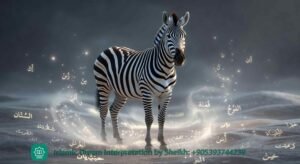
Dreaming of Zebra in Islam
Some dreams are more than simple images they may carry a hidden meaning. When a zebra appears in your dream, it may reflect important symbols related to balance, patience, and life changes in Islamic dream interpretation. But the true meaning depends on the details: Was the zebra calm or frightened? Were you riding it, feeding it, or simply watching it?
Every detail in a dream can carry a different symbolic meaning, but understanding it requires looking at the dream’s context, your emotions, and traditional Islamic interpretations.
If you have recently seen a zebra in your dream and want to explore what it could symbolize in Islam, don’t rely on assumptions.
Learn the possible meanings of zebra dreams through Islamic perspectives, including interpretations connected with balance, wisdom, patience, and spiritual reflection.
Your dream may contain a valuable reminder worth reflecting on.

Dreaming of Mule in Islam
Some dreams carry more than just mystery they carry a message. When a mule appears in your dream, it may represent important signs related to patience, responsibility, and the ability to overcome life’s challenges. In Islamic dream interpretation, a mule is often connected with endurance, hard work, and the burdens a person carries in their journey.
But the meaning of seeing a mule in a dream can completely change depending on the details: Were you riding the mule? Was it calm or aggressive? Was the mule healthy, weak, white, or black?
Every small detail could be a meaningful sign, but understanding it correctly requires knowledge of Islamic dream interpretation and the wisdom of experienced interpreters.
If you’ve recently seen a dream involving a mule and want to understand what Allah may be guiding you to reflect on, don’t rely on guesses.
Ask our trusted Islamic dream interpreter Sheikh Imen Hossein directly on WhatsApp:
Message Now on WhatsApp: +90 539 374 42 39.
Your dream of a mule may carry a message about patience, strength, and the responsibilities you are carrying that you shouldn’t ignore.

Dreaming of Calf in Islam
Some dreams carry more than just mystery they carry a message. When calves appear in your dream, it may not be just a random image. In Islamic tradition, calves can symbolize rizq (sustenance), growth and blessings, or important signs related to responsibilities and your future. But the exact meaning can completely change depending on the details: Was the calf healthy or weak? Were you feeding it? Was it inside your house or running away?
Every small detail could be a spiritual sign, but only a knowledgeable interpreter can help understand its possible meaning properly.
If you’ve recently seen a dream involving a calf and want to know what Allah may be guiding you toward, don’t guess.
Ask our trusted Islamic dream interpreter Sheikh Imen Hossein directly on WhatsApp:
Message Now on WhatsApp: +90 539 374 42 39.
Your dream might carry a message you shouldn’t ignore.

Dreaming of Viper in Islam
Some dreams carry more than just mystery they carry a message. When a viper appears in your dream, it may not be a random image. In Islamic tradition, a viper often symbolizes hidden enemies, danger and warnings, or important spiritual signs related to your life. But the exact meaning can completely change depending on the details: Did you kill the viper? Was it chasing you? Did it bite you or appear peacefully?
Every small detail could be a meaningful sign but only a knowledgeable interpreter can understand its deeper meaning properly.
If you’ve recently seen a dream involving a viper and want to know what Allah may be showing you, don’t rely on guesses.
Ask our trusted Islamic dream interpreter Sheikh Imen Hossein directly on WhatsApp:
Message Now on WhatsApp: +90 539 374 42 39.
Your dream might carry a message you shouldn’t ignore.





1 thought on “Ramadan”
Pingback: Why Cant You Drink Water During Ramadan ? | Best Istikhara