
As a predominantly Muslim country, Iran provides an environment where Islamic practices are respected and easily followed. From the availability of halal food to the presence of beautiful mosques and shrines, Iran ensures that Muslim travelers can maintain their religious practices while exploring its ancient cities, breathtaking landscapes, and interesting traditions. In this guide, we will provide you with all the essential information to make your journey through travel to Iran as smooth as possible.
Why is Iran an Ideal Destination for Muslim Travelers?
Iran is an ideal destination for Muslim travelers due to its rich Islamic heritage, where religious traditions are deeply embedded in the culture. The country is home to important religious sites like the Imam Reza Shrine in Mashhad and offers easy access to halal food throughout. Additionally, mosques and prayer facilities are readily available, making it convenient for travelers to maintain their religious practices.
The Islamic dress code and local customs align with Muslim values, allowing travelers to feel comfortable in their surroundings. Iran also offers the chance to experience significant religious holidays such as Ramadan and Eid. The respect for Islamic practices ensures that Muslim travelers can enjoy a spiritually fulfilling trip.
Best Times to Visit Iran for Muslims
Iran offers various opportunities for Muslim travelers to experience its unique religious and cultural traditions throughout the year. Some of the best times to visit include during Muharram, Arbaeen, Ramadan, and Eid al-Fitr, as well as the Persian New Year, Nowruz, which blends Islamic traditions with ancient Persian customs.
Muharram and Arbaeen
Muharram, the first month of the Islamic calendar, holds special significance in Iran, particularly for Shia Muslims. It marks the commemoration of the martyrdom of Imam Hussein, the grandson of Prophet Muhammad (PBUH), at the Battle of Karbala. During the first ten days of Muharram, especially on Ashura, cities across Iran hold solemn processions, reenactments, and religious gatherings. Arbaeen, observed 40 days after Ashura, is another important time, as many pilgrims travel to Iran’s shrines and mosques to pay their respects.
Ramadan and Eid al-Fitr
Ramadan is an important month for Muslims, and visiting Iran during this holy month allows travelers to participate in the spiritual atmosphere of fasting, prayer, and community gatherings. While most restaurants and cafes close during daylight hours, the evenings come alive with iftar, the meal that breaks the fast. Mosques hold special prayers, and families come together to celebrate. Following Ramadan, Eid al-Fitr is a joyous occasion marked by prayers, feasts, and charity.
Nowruz (Persian New Year)
Nowruz, celebrated on the first day of spring, is Iran’s most significant cultural event. While not a religious holiday, Nowruz is celebrated by Muslims and non-Muslims alike. The 13-day festival is marked by family gatherings, special meals, and visits to holy sites, with many Iranians seeking spiritual renewal through prayers and charity.
Packing Essentials for a Muslim Traveler
When preparing for a trip to Iran, Muslim travelers should consider packing items that accommodate both the country’s cultural customs and their religious practices. Here are some essentials to include:
- Modest Clothing: Iran has specific dress codes, particularly for women. Women should pack loose-fitting, long-sleeved tops, long skirts or pants, and a headscarf to cover their hair, as these are required in public. Men should avoid shorts and sleeveless tops, opting for modest, casual clothing.
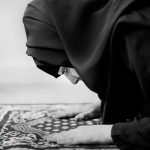
- Prayer Essentials: Pack a small prayer mat (sajadah) for convenience during travel, as well as a pocket-sized Quran for recitation on the go. A travel-sized compass or a smartphone app can help locate the qibla (direction of Mecca) for prayers.
- Halal Snacks: While halal food is widely available in Iran, carrying some packaged halal snacks, especially for long journeys or remote areas, ensures you’re never without suitable food options.
- Personal Care Items: Consider bringing fragrance-free or alcohol-free toiletries, especially for wudu (ablution), and pack a reusable water bottle for ease during travel.
- Travel Prayer Timetable: Bring a travel-friendly Islamic calendar or use an app that provides local prayer times, so you can stay on top of your daily prayers while in different parts of the country.
- Copies of Travel Documents: Carry multiple copies of your travel documents, such as your passport, visa, and any necessary vaccination records, for ease at airports and religious sites.
- Comfortable Walking Shoes: As many of Iran’s religious sites and cultural landmarks require walking, comfortable shoes are essential for visiting mosques, shrines, and historical locations.
Halal Food and Dining in Iran
Iran’s predominantly Muslim population ensures that halal food is the norm across the country. Whether dining at a local restaurant, purchasing street food, or shopping at a grocery store, travelers can rest assured that meat is slaughtered according to Islamic law, and pork products are strictly prohibited.
Iran’s cuisine is diverse, offering a variety of delicious, halal-friendly dishes. Popular meals include kebabs (grilled meat skewers), stews such as “Ghormeh Sabzi” (herb stew with lamb), and “Fesenjan” (pomegranate and walnut stew). Rice dishes, like saffron-infused “Chelo,” are often served with grilled meats. Vegetarian options, such as “Kuku Sabzi” (herb and egg frittata), are also widely available.
If visiting during Ramadan, restaurants may be closed during daylight hours in observance of the fast, but they open in the evening for iftar, the meal to break the fast. Hotels often provide iftar meals, and many mosques host free community dinners.
Iran’s street food culture offers a variety of tasty snacks, including falafel, samosas, and grilled corn. You’ll also find sweet treats like saffron ice cream and “faloodeh,” a traditional Persian frozen dessert made with noodles and rose water.
Accommodation in Iran for Muslims
Hotels in Iran are designed to accommodate the needs of Muslim guests. This includes providing alcohol-free environments and offering facilities that align with Islamic traditions. Many hotels have dedicated prayer rooms, and in-room prayer mats (sajadah) are often available upon request. Additionally, the qibla (direction to Mecca) is typically marked in hotel rooms.
Hotels in Iran serve exclusively halal food. Breakfasts typically include traditional Iranian items such as bread, cheese, honey, and eggs, while larger hotels offer a variety of dishes, including halal meats, for other meals. If visiting during Ramadan, many hotels provide suhoor (pre-dawn meal) and iftar (meal to break the fast) services for their fasting guests.
Iran’s accommodations are family-friendly and offer privacy for Muslim families. Many hotels have family suites or interconnected rooms, which are ideal for those traveling with children or in groups. Many accommodations are located near key religious sites, making it convenient for Muslim travelers who wish to visit mosques, shrines, or religious landmarks. In cities like Mashhad or Qom, where religious tourism is common, there are numerous hotels within walking distance of shrines.
Must-Visit Islamic Attractions in Iran
Iran is home to some of the most stunning Islamic sites in the world. For Muslim travelers, visiting these sacred places can offer a glimpse into Iran’s rich Islamic heritage. Below are some must-visit Islamic attractions that should be on every traveler’s list.
Imam Reza Shrine (Mashhad)
The Imam Reza Shrine, located in Mashhad, is one of the most important pilgrimage destinations for Shia Muslims. This magnificent complex is the burial place of the eighth Imam, Ali ibn Musa al-Reza, and attracts millions of pilgrims annually. The shrine has stunning courtyards, mosques, and a golden dome. Visitors can take part in religious ceremonies, explore the museum, or simply admire the grandeur of the architecture.
Fatima Masumeh Shrine (Qom)
Located in the holy city of Qom, the Fatima Masumeh Shrine is another major pilgrimage site for Shia Muslims. It houses the tomb of Fatima Masumeh, the sister of Imam Reza. The shrine features intricate tile work, domes, and courtyards, and is an important center for Islamic education. Qom itself is considered a religious hub in Iran.
The Holy Shrine of Shah Cheragh (Shiraz)
The Holy Shrine of Shah Cheragh in Shiraz is the final resting place of Ahmad and Muhammad, brothers of Imam Reza. Known for its stunning mirror-work and vibrant tile mosaics, the shrine is a dazzling display of Iranian-Islamic art. The spiritual atmosphere inside the shrine is profound, and visitors often come to pray, reflect, or simply admire the beauty of the architecture.
Shah Mosque (Isfahan)
The Shah Mosque, also known as the Imam Mosque, is one of the most iconic landmarks in Isfahan and a masterpiece of Persian-Islamic architecture. Located in the Naqsh-e Jahan Square, this UNESCO World Heritage site is famous for its majestic blue-tiled domes, minarets, and intricate calligraphy. The mosque’s perfect symmetry and beautiful mosaic work make it one of the finest examples of Safavid-era craftsmanship.
Jameh Mosque of Yazd
The Jameh Mosque of Yazd, also known as the Friday Mosque, is a symbol of the city’s long Islamic history and unique desert architecture. Its towering minarets, among the tallest in Iran, and its exquisite tile work make it a striking sight. Built during the 12th century, the mosque combines simplicity with elegance, and reflects the cultural and religious significance of Yazd as an ancient city on the Silk Road. The mosque is still in use today, offering a space for worship and contemplation.
Understanding the Hijab in Iran
The hijab, or headscarf, is an important aspect of dress and culture in Iran, particularly for women. In Iran, wearing the hijab is mandatory for all women, both locals and visitors, as part of the country’s Islamic dress code, which has been enforced since the 1979 Iranian Revolution. This law requires women to cover their hair, neck, and arms, and wear loose-fitting clothing to ensure modesty.
Women are expected to wear a headscarf (usually referred to as a “rusari”) and a long-sleeved tunic or coat (called a “manteau”) that covers their hips. Pants or long skirts are also common choices. The style and color of the hijab can vary widely, from simple and modest to more fashionable. Men, while not required to wear a hijab, are expected to dress modestly, avoiding shorts and sleeveless tops.
Conclusion
Iran is a great destination for Muslim travelers, offering a welcoming environment that aligns with Islamic values. With plenty of halal food options, prayer facilities, and respect for religious practices, visitors can comfortably explore the country’s history and culture. From visiting holy sites and stunning mosques to participating in important religious events, Iran provides a meaningful experience for Muslims looking to connect with their faith while enjoying a unique travel adventure.
FAQs
Q: What are the rules for Muslims in Iran?
In Iran, Muslims and visitors must dress modestly: women should wear a hijab and modest clothing, while men should avoid shorts and sleeveless tops. Public behavior should respect local customs, such as avoiding public displays of affection. Alcohol consumption is banned.
Q: What happens if you go to Iran without a hijab?
Women must wear a hijab in Iran. If you arrive without one, you’ll need to wear a hijab provided by authorities or available for purchase. Not following this dress code can result in fines.