
Vanilla, derived from the orchids of the genus Vanilla, primarily from Vanilla planifolia, has a rich history spanning centuries and continents. Initially cultivated by the Totonac people of Mexico, vanilla was later introduced to Europe by Spanish explorers in the 16th century, becoming a prized ingredient worldwide. Cultivating and curing vanilla beans is labor-intensive and time-consuming, contributing to its status as the second most expensive spice after saffron. In the culinary world, vanilla is celebrated for its aromatic and flavor-enhancing properties, making it a staple in desserts such as ice cream and cakes, as well as in beverages and savory dishes. Its versatility and universally appealing flavor profile have cemented vanilla’s place as a beloved ingredient globally in kitchens and food industries. The nuances of natural versus synthetic vanilla, including vanilla extract and vanilla flavoring, play a significant role in culinary applications and dietary considerations, including halal certification. Click to get more information about halal vs haram topics discussed in today’s world.
The Halal Status of Vanilla Extract: A Detailed Analysis
The halal status of vanilla extract has been a topic of discussion and concern within the Muslim community, primarily due to the method of extraction, which often involves alcohol. Vanilla extract is derived from vanilla beans soaked in alcohol and water. This process draws out the vanilla’s flavor compounds. The use of alcohol, a substance that is haram (prohibited) in Islam, raises questions about the permissibility of consuming products containing vanilla extract.

Halal Status of Vanilla: Alcohol & Extraction
The crux of the halal debate over vanilla extract lies in the alcohol content used in its extraction process. Alcohol is utilized for its efficiency in dissolving vanilla’s essential oils and flavor compounds, resulting in a potent extract. Islamic dietary laws stipulate that any consumption of alcohol is strictly forbidden, leading to inquiries about whether the residual alcohol in vanilla extract renders it non-halal. Scholars and halal certification bodies examine the transformation process (istihalah) of the alcohol and its residual presence in the final product. They also assess whether the alcohol evaporates completely during cooking or baking, factors that contribute to varying opinions on the halal status of vanilla extract in food products.
Scholarly Opinions on Vanilla Extract in Islam
The Islamic perspective on the consumption of vanilla extract, especially concerning its halal status, has been a subject of significant scholarly discourse. This debate primarily hinges on alcohol in vanilla extract, a solvent used during the extraction process from vanilla beans. Islamic scholars diverge in their opinions based on interpretations of Sharia law, particularly regarding the consumption of substances that contain alcohol.
Islamic Views on Vanilla Extract’s Halal Status
Islamic scholars’ views on vanilla extract range widely. Some scholars assert that the minute amounts of alcohol in vanilla extract are negligible and undergo substantial transformation (istihalah), thus considered permissible (halal). They argue that the final product’s intent and use in flavoring rather than intoxication align with Islamic dietary laws. Conversely, other scholars maintain a stricter interpretation, positing that any product containing alcohol, regardless of the quantity or the process it undergoes, should be avoided by Muslims. This strict stance is based on the principle of avoiding all forms of alcohol, a substance explicitly prohibited in Islam. The debate extends to the process of extraction itself, with discussions on whether alternatives that do not involve alcohol can be considered more clearly halal. This ongoing discourse underscores the diversity within Islamic jurisprudence and the importance of personal judgment and community standards in determining the halal status of food products like vanilla extract.
The Role of Alcohol in Vanilla Extraction: Halal Concerns
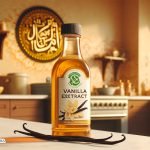
The extraction of vanilla flavoring from vanilla beans is a meticulous process that often involves the use of alcohol, raising significant halal concerns among Muslims. Alcohol, typically ethanol, is utilized for its solvent properties, effectively extracting the aromatic compounds from the beans. This process produces vanilla extract, a concentrated liquid commonly used in food and beverages for flavoring.
Vanilla Extraction & Alcohol: Halal Concerns
Vanilla extraction begins with soaking the vanilla beans in an alcohol and water mixture. The solvent power of alcohol helps dissolve the beans’ essential oils and aromatic compounds, creating a potent flavor extract. This usage of alcohol in the extraction process is the primary halal concern. In Islam, consuming alcohol is explicitly prohibited, and its presence, even in trace amounts in food products, can render them non-halal. The debate arises from whether the transformation of alcohol during the extraction and cooking process (known as istihalah in Islamic jurisprudence) is sufficient to consider a halal end product. This concern underscores the complexity of determining the halal status of vanilla extract, given its widespread use in the food industry and the integral role of alcohol in its production.
Certified Halal Vanilla Products: What to Look For
In the quest for dietary compliance, Muslims seek out halal-certified vanilla products, navigating a market flooded with various vanilla flavorings. The certification of vanilla as halal is a meticulous process involving scrutiny of its extraction and ingredients, particularly the absence of alcohol. Certified halal vanilla products reassure consumers about the permissibility of these items in a halal diet.
Identifying Halal-Certified Vanilla Products
Identifying halal-certified vanilla products requires a keen eye on labels and certifications from recognized halal certification bodies. These products bear specific symbols or marks indicating their compliance with Islamic dietary laws. Consumers should look for labels that clearly state “Halal Certified,” accompanied by the logo of the certifying body. Additionally, it is advisable to verify the source of the certification since standards and requirements can vary across different organizations and regions. This vigilance ensures that the vanilla extract or flavoring adheres to strict halal guidelines, is devoid of any alcohol-based extraction methods, and is thus suitable for consumption by those following a halal diet.
Alternative to Vanilla Extract: Halal Solutions
For Muslims seeking to adhere strictly to halal dietary guidelines, finding alternatives to traditional vanilla extract, which often contains alcohol, is crucial. The quest for halal-friendly vanilla flavoring has led to the innovation and availability of various options that maintain taste and authenticity.
Halal Vanilla Alternatives: Powder & Extracts
Halal alternatives to traditional vanilla extract include vanilla powder and alcohol-free vanilla extracts. Vanilla powder is made by drying and grinding vanilla beans, offering a potent and pure flavor without the need for alcohol. On the other hand, alcohol-free vanilla extracts use a substitute solvent, such as glycerin or propylene glycol, to extract the vanilla flavor. These alternatives provide the rich, aromatic vanilla essence desired in baking and cooking without violating halal dietary laws. When purchasing, look for clear labeling that specifies the product as “alcohol-free” or “halal-certified” to ensure compliance with Islamic dietary restrictions.
Conclusion
Navigating the complexities of halal compliance for vanilla products presents challenges and opportunities for Muslim consumers. Understanding the nuances of vanilla extraction and the scholarly debates on its halal status is crucial. Muslims can enjoy vanilla’s rich flavors without compromising their dietary beliefs by opting for halal-certified or alternative vanilla solutions, such as alcohol-free extracts or vanilla powder. This knowledge empowers consumers to make informed choices, ensuring their culinary experiences remain delicious and devoutly halal.