When it comes to culinary ingredients, the question of whether they align with Islamic dietary laws is crucial for many Muslims. Vanilla extract, a common component in desserts and baked goods, often raises questions about its permissibility under these guidelines. Derived from vanilla beans, the extract’s halal status can be complex due to the method of extraction which typically involves alcohol. This introduction explores the intricacies of vanilla extract in the context of halal certification, examining how it is produced and what alternatives might exist for those seeking to adhere strictly to halal dietary laws. The goal is to provide clarity and guidance for Muslims navigating their dietary choices in a diverse culinary world. Click to get more information about halal vs haram topics discussed in today’s world.
Understanding Halal Certification for Vanilla Extract
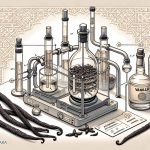
Halal certification for vanilla extract involves a rigorous process to ensure that the product complies with Islamic dietary laws. The primary concern with vanilla extract is its traditional extraction method, which often uses alcohol, a substance prohibited in Islam. To be certified halal, the vanilla extract must either be alcohol-free or ensure that any alcohol used evaporates completely during production, leaving no residual traces in the final product.
Certifying bodies examine the sourcing of the vanilla beans, the extraction process, and the handling facilities to ensure there is no cross-contamination with non-halal substances. Each batch of extract might be tested for alcohol residue. Manufacturers looking to produce halal vanilla extract often opt for alternatives like glycerin or propylene glycol-based extraction methods, which do not involve alcohol.
Consumers seeking halal-certified vanilla extract should look for products with clear labeling from recognized Islamic councils or certification bodies, indicating their compliance with halal standards. This certification not only helps in maintaining religious adherence but also assures the purity and ethical sourcing of the ingredients used.
Halal Tips for Vanilla Extract in Muslim Cuisine
For Muslims incorporating vanilla extract into their cuisine while adhering to halal standards, understanding the types of extracts available is crucial. Traditional vanilla extract often contains alcohol, used to dissolve and preserve the vanilla bean’s flavor. For a halal alternative, seek vanilla extracts labeled as “non-alcoholic” or those that use glycerin or water-based solutions instead of alcohol.
It’s also important to look for products with halal certification marks. These marks ensure that the extract meets strict purity and processing standards without contamination from haram substances. Additionally, Muslims might consider using whole vanilla beans or vanilla bean paste as direct substitutes. These options provide the authentic flavor of vanilla without the complications of alcohol-based extraction.
Always read product labels carefully, and if in doubt, reach out directly to manufacturers to confirm the halal status of their vanilla extract products.
Vanilla Extract: Halal or Haram? Ongoing Debate
The debate over whether vanilla extract is halal centers on its alcohol content, which is used in most traditional extraction processes. In Islam, consuming alcohol in any form is prohibited, making many standard vanilla extracts unsuitable for those strictly adhering to halal dietary laws. This has led to significant discussions among Islamic scholars and communities about the permissibility of using such extracts in food.
However, alternatives to alcohol-based vanilla extract exist and are gaining popularity. These include non-alcoholic vanilla flavorings, vanilla bean paste, and extracts made with glycerin or propylene glycol, which do not violate halal standards. Each alternative offers a viable solution for Muslims seeking the rich flavor of vanilla without compromising their dietary restrictions.
The ongoing debate often seeks clarification from religious authorities and halal certification bodies, who assess the production process and the nature of ingredients used in these extracts.
Conclusion
In conclusion, the question of whether vanilla extract is halal for Muslims hinges on the extraction process and the presence of alcohol. As the consumption of alcohol is strictly prohibited in Islam, traditional alcohol-based vanilla extracts pose a challenge for Muslims adhering to halal dietary laws. However, the availability of halal-certified vanilla extracts and alcohol-free alternatives such as glycerin-based or propylene glycol-based extracts offers viable options. Muslims looking to include vanilla flavor in their cooking and baking can do so by carefully selecting products that align with Islamic guidelines, ensuring they can enjoy this popular flavor without compromising their religious beliefs. It’s advisable to consult halal certification bodies or seek guidance from religious authorities when in doubt about the halal status of specific vanilla extract products.