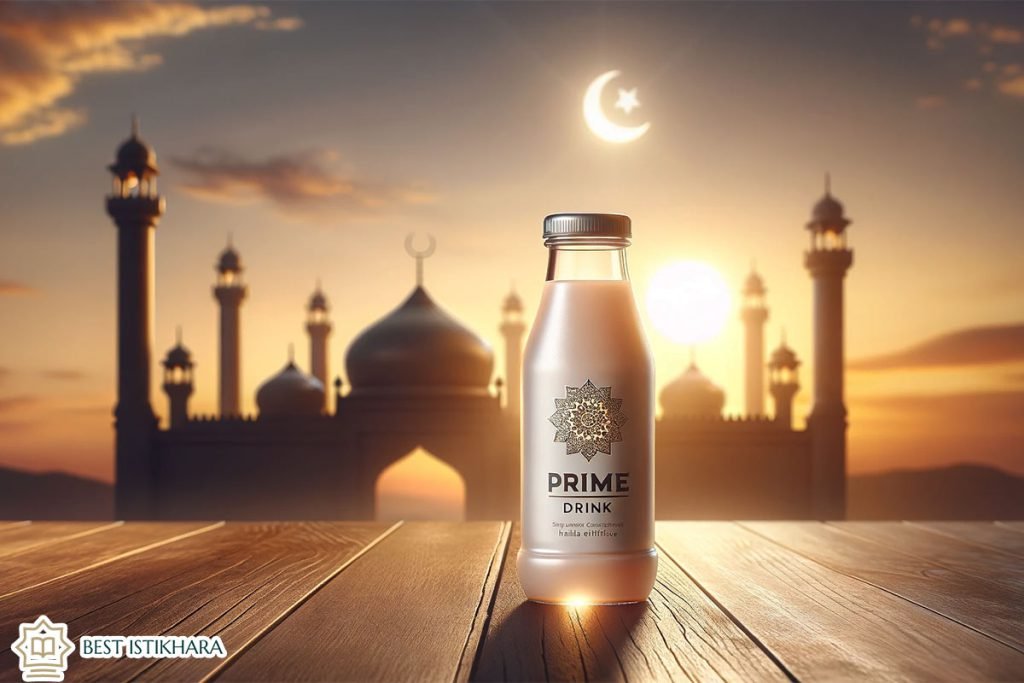
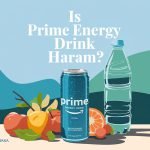
In a world where dietary preferences intersect with religious observance, the question of Prime drink’s compatibility with Islamic halal standards is increasingly pertinent. This article delves into the halal status of Prime drink, a favorite among health-conscious individuals, by scrutinizing its ingredients, production process, and adherence to Islamic dietary laws. As Muslims seek to align their consumption with halal guidelines, we offer insights into whether Prime drink meets these religious criteria, aiming to provide clarity for those balancing modern dietary choices with their faith. Click to get more information about halal vs haram topics discussed in today’s world.
Prime Drink Ingredients: A Closer Look at Halal Compliance
Prime Drink’s appeal largely rests on its formulation, designed to hydrate and energize. To ascertain its halal status, a comprehensive analysis of its ingredients is essential. The drink primarily consists of water, electrolytes, B vitamins, and natural flavors, with a notable absence of alcohol or animal-derived components, which are major halal compliance concerns. However, the halal certification process extends beyond ingredient scrutiny to include examination of manufacturing practices. Ensuring equipment and facilities have not been contaminated with haram substances is vital. The use of natural flavors and colors raises questions, as the specific sources and extraction processes must be considered. For instance, gelatin, often used in flavor encapsulation, can be derived from non-halal sources. Therefore, while Prime Drink’s basic ingredients may initially seem halal-compliant, the halal certification would require transparency from manufacturers regarding all substances and their processing, affirming the absence of any haram elements in the production chain.
The Debate Over Prime Drink’s Islamic Legitimacy
The debate over Prime Drink’s Islamic legitimacy revolves around several key factors crucial for determining its halal status. First, the ingredients used in Prime Drink are scrutinized under Islamic dietary laws, where every component must not contain or be processed with anything considered haram (forbidden). This includes ensuring that the product is free from alcohol, pork derivatives, and any substances harmful to health, as Islam places significant emphasis on the consumption of pure and wholesome food (tayyib).
Second, the manufacturing process plays a critical role. Facilities must adhere to stringent cleanliness and contamination prevention standards, ensuring no cross-contamination with haram substances. Moreover, the ethical considerations surrounding the brand’s business practices, such as fair treatment of workers and animal welfare (if applicable), are also under the spotlight, as ethical integrity is a core principle in Islamic dietary laws.
The debate intensifies on online forums, social media, and among Islamic scholars, highlighting a divided opinion. Some argue that without official halal certification, the drink’s status remains questionable, while others point to the ingredients list as sufficient evidence of its permissibility. This ongoing discourse reflects the broader challenges Muslims face in navigating modern food and beverage options while adhering to their faith’s dietary guidelines.
Is Prime Drink Halal or Haram? The Definitive 2024 Guide
Determining whether Prime Drink is halal or haram in 2024 hinges on a detailed analysis of its ingredients, production process, and compliance with Islamic dietary laws. To classify as halal, every ingredient in Prime Drink must be permissible under Islamic law, avoiding any that are explicitly haram, such as alcohol or pork-derived substances. Additionally, the drink must not contain any harmful additives, aligning with the Islamic principle of consuming what is pure (tayyib) and beneficial for health.
The production process also plays a crucial role. Facilities must ensure there is no cross-contamination with haram substances, maintaining strict cleanliness standards. For a product to be deemed halal, it often requires certification from a recognized Islamic authority, verifying that the product meets all necessary criteria.
As of 2024, the halal status of Prime Drink can vary depending on the certification it has received and the specific product variant in question. Consumers seeking to adhere to halal dietary laws are advised to look for official halal certification on the product or consult with reliable Islamic authorities for guidance, ensuring that their consumption aligns with their religious beliefs and practices.
Conclusion
In conclusion, the question of whether Prime Drink is halal in Islam demands careful consideration of its ingredients, manufacturing process, and adherence to halal certification standards. As Muslims strive to align their dietary choices with the principles of their faith, it becomes essential to scrutinize the products they consume to ensure they meet Islamic dietary laws. The halal status of Prime Drink, as with any other food or beverage, hinges on its compliance with these criteria, emphasizing the importance of transparency, ethical manufacturing practices, and the pursuit of halal certification. For those in the Muslim community seeking to include Prime Drink in their diet, it is crucial to seek out products with clear halal certification or consult authoritative Islamic bodies for guidance. By doing so, consumers can make informed decisions that respect their religious commitments while enjoying the diverse offerings of the modern food and beverage market.