When it comes to dietary laws in Islam, understanding what is permissible (Halal) and what is not (Haram) is crucial for the devout. Among the many queries that arise, one interesting question is whether pheasant meat is considered Halal. This question delves into the specifics of Islamic dietary rules, which are guided by health, cleanliness, and ethical considerations. In this article, we will explore the criteria that determine Halal food, examine the nature of pheasants as a food source, and seek insights from religious texts and scholars to clarify whether pheasant meat can be included in a Halal diet. Whether you are a follower of Islam looking to adhere to your dietary laws, or simply curious about Halal food practices, this discussion aims to provide a clear and comprehensive understanding. Click to get more information about halal vs haram topics discussed in today’s world.
Ethical and Health Implications of Eating Pheasant
Eating pheasant meat, often considered a delicacy, has both health and ethical dimensions worth considering. Ethically, pheasant hunting can be seen in two lights: it is either viewed as a natural and sustainable method of obtaining meat, especially if the birds are wild and hunted in regulated seasons, or it can raise concerns about wildlife management and the ethics of hunting for sport. The context and methods of hunting significantly influence these perspectives.
Health-wise, pheasant meat is a rich source of protein, low in fat compared to traditional meats like beef, and contains essential vitamins such as B6, B12, niacin, and minerals including iron, phosphorus, and selenium. These nutrients make it beneficial for maintaining muscle mass, supporting neurological health, and aiding in oxygen transport in the body. However, as with all game meats, it’s important to ensure proper handling and cooking to avoid issues such as exposure to lead shot or potential pathogens, particularly if the bird was wild-caught.
Pheasant’s Role in Muslim Cuisine
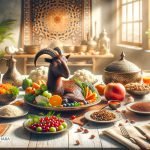
Pheasant meat, while not a staple, has found its niche in Muslim cuisine, particularly in regions where these birds are indigenous or commonly hunted. This game bird is appreciated for its rich, gamey flavor, which is a departure from more commonly consumed poultry such as chicken. In culinary practices that emphasize the ethical treatment and halal slaughter of animals, pheasant can be a preferred choice for those seeking diversity in their diet without compromising their dietary laws. The preparation of pheasant in Muslim cuisine often involves marinating the meat in a mixture of spices that are prominent in Islamic culinary traditions—such as cumin, coriander, and turmeric—to enhance its natural flavor while neutralizing any potential gaminess. This meat is typically slow-cooked to tenderize the lean muscle, commonly featured in stews and rice dishes that celebrate special occasions or gatherings, showcasing the bird’s unique status and culinary value.
Conclusion
In conclusion, whether pheasant meat is Halal depends largely on the method of slaughter and the specific dietary laws followed within the Muslim community. Pheasant meat itself is permissible under Islamic law, provided it is processed in a Halal manner, which includes invoking the name of Allah during slaughter and ensuring that all blood is drained from the carcass. This aligns with the general principles of Halal food, which emphasize not only the healthiness and cleanliness of the food but also the ethical treatment of animals. For Muslims considering incorporating pheasant into their diets, it is crucial to source the meat from reputable providers who adhere to these Halal slaughtering practices. This ensures the meat is both spiritually lawful and ethically obtained, reflecting the holistic approach Islam takes towards nourishment.