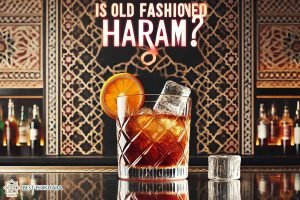
The Mai Tai cocktail, a popular tropical drink, is often enjoyed for its refreshing flavors and vibrant presentation. However, for those adhering to Islamic dietary laws, a common question arises: Is the Mai Tai cocktail considered haram (forbidden) in Islam? This article delves into the ingredients of the Mai Tai, explores Islamic teachings on alcohol and intoxicants, and provides a comprehensive understanding of whether this drink aligns with Islamic principles. Whether you’re curious about the halal status of this cocktail or seeking clarity on Islamic dietary guidelines, this exploration offers insightful perspectives. Click to get more information about halal vs haram topics discussed in today’s world.
Can Muslims Enjoy a Mai Tai?
Muslims who adhere strictly to Islamic dietary laws must consider whether consuming a Mai Tai cocktail aligns with their beliefs. The key factor is that the Mai Tai traditionally contains alcohol, including rum and orange curaçao, both of which are explicitly haram (forbidden) in Islam due to their intoxicating nature. Islamic teachings clearly prohibit the consumption of alcohol, as it is considered impure and has the potential to impair judgment and behavior.
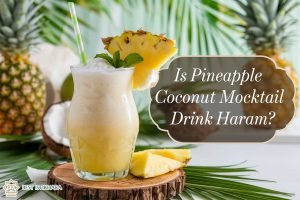
However, enjoying a Mai Tai isn’t entirely off-limits if Muslims opt for a non-alcoholic or “mocktail” version. This alternative uses alcohol-free ingredients to replicate the flavors of the original cocktail without violating Islamic principles. For example, a mocktail Mai Tai might substitute non-alcoholic rum flavoring and orange juice or orange extract for curaçao, allowing Muslims to enjoy a similar taste experience without compromising their faith. This adaptation makes it possible for Muslims to partake in the cultural enjoyment of a Mai Tai while adhering to their dietary guidelines.
Understanding the Ingredients
To determine whether the Mai Tai cocktail is halal or haram, it’s essential to understand its primary ingredients and their status under Islamic dietary laws. A classic Mai Tai typically includes several key components:
1. Rum: The primary alcoholic ingredient, rum, is derived from sugarcane byproducts such as molasses. As a distilled spirit, rum is intoxicating and is considered haram in Islam due to its alcohol content. Both light and dark varieties of rum are commonly used in a Mai Tai.
2. Orange Curaçao: This is a liqueur made from the dried peels of bitter and sweet oranges. Like rum, it contains alcohol and is thus haram.
3. Orgeat Syrup: A sweet, almond-flavored syrup made from almonds, sugar, and rose or orange flower water. Orgeat is generally considered halal as it does not contain alcohol or any haram substances.
4. Lime Juice: Freshly squeezed lime juice is a natural fruit juice and is entirely halal. It provides a tart, citrusy flavor to the drink.
5. Garnishes (Mint, Lime Wedge, Cherry): These are optional additions that enhance the presentation and flavor of the cocktail and are considered halal.
Conclusion
In summary, the traditional Mai Tai cocktail is considered haram in Islam due to its alcoholic ingredients, such as rum and orange curaçao. However, by understanding the components and opting for non-alcoholic alternatives, Muslims can enjoy a similar flavor without compromising their dietary restrictions. This approach allows for cultural enjoyment while adhering to Islamic principles, offering a balanced way to experience popular drinks. Ultimately, it’s up to individual interpretation and choice within the framework of Islamic dietary laws. In this regard, you may also want to read Is Black Russian Haram?