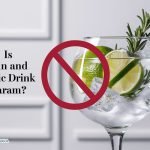
The consumption of alcoholic beverages is a topic of significant concern and debate in Islam. Among the various types of alcoholic drinks, cocktails such as the Gin Fizz have gained popularity worldwide for their refreshing taste and unique blend of ingredients. However, for Muslims, the question of whether consuming such beverages is permissible (halal) or forbidden (haram) arises, given the strict Islamic teachings regarding alcohol consumption. This article aims to explore the Islamic perspective on the Gin Fizz cocktail drink, examining its ingredients, preparation, and the religious rulings that determine its permissibility. Understanding these aspects is crucial for Muslims seeking to adhere to their faith’s dietary laws while navigating modern culinary landscapes. Click to get more information about halal vs haram topics discussed in today’s world.
Is Consuming Gin Fizz Considered Haram in Islam?
In Islam, the consumption of alcohol is generally considered haram (forbidden) due to its intoxicating effects, which are explicitly prohibited in the Quran and Hadith. The Gin Fizz, a popular cocktail made from gin, lemon juice, sugar, soda water, and sometimes egg white, falls under scrutiny primarily because of its alcohol content. Gin, being a distilled alcoholic beverage, contains a high level of ethanol, which can lead to intoxication.
The Islamic ruling on consuming any beverage, including the Gin Fizz, hinges on its potential to cause intoxication. If the drink contains any amount of alcohol that can intoxicate a person when consumed in large quantities, it is deemed haram, even if consumed in smaller, non-intoxicating amounts. Therefore, since Gin Fizz contains gin, a substantial amount of an intoxicating substance, its consumption is considered haram for Muslims according to Islamic jurisprudence.
Ingredients and Their Role in Determining the Status of Gin Fizz
1. Gin:
– Primary Ingredient: Gin is the main component of a Gin Fizz cocktail.
– Alcohol Content: It is a distilled spirit with a high ethanol content, which is an intoxicant.
– Islamic Ruling: Due to its intoxicating nature, gin is considered haram (forbidden) in Islam.
2. Lemon Juice:
– Non-Alcoholic: Lemon juice is a common ingredient that is halal (permissible) as it contains no alcohol or intoxicants.
– Does Not Affect Ruling: Its presence does not alter the haram status of the drink.
3. Sugar:
– Halal Ingredient: Sugar is inherently halal and is used to add sweetness to the cocktail.
– Irrelevant to Ruling: The addition of sugar does not impact the drink’s permissibility.
4. Soda Water:
– Non-Intoxicating: Soda water is a carbonated water that is halal.
– Neutral Impact: Like lemon juice and sugar, soda water’s inclusion does not change the ruling.
5. Overall Ruling:
– Dominance of Gin: The presence of gin, an alcoholic ingredient, overshadows the halal status of the other components, rendering the entire drink haram.
– Non-Alcoholic Alternatives: Even if a non-alcoholic substitute is used or the gin is in a minimal amount, Islamic jurisprudence generally considers any beverage associated with alcohol as haram due to potential intoxication and spiritual impurity.
Conclusion
In conclusion, the Gin Fizz cocktail is considered haram in Islam due to its primary ingredient, gin, which is a distilled spirit containing alcohol. Despite the presence of halal ingredients like lemon juice, sugar, and soda water, the inclusion of gin—a substance that can intoxicate—renders the entire drink impermissible according to Islamic law. Islamic teachings emphasize avoiding any form of alcohol due to its intoxicating effects and spiritual impurities. Even when the alcohol content is minimal or replaced with non-alcoholic alternatives, the association with an intoxicating substance is enough to classify the Gin Fizz as haram. Thus, Muslims are advised to refrain from consuming such beverages to adhere to Islamic dietary laws and maintain spiritual purity.