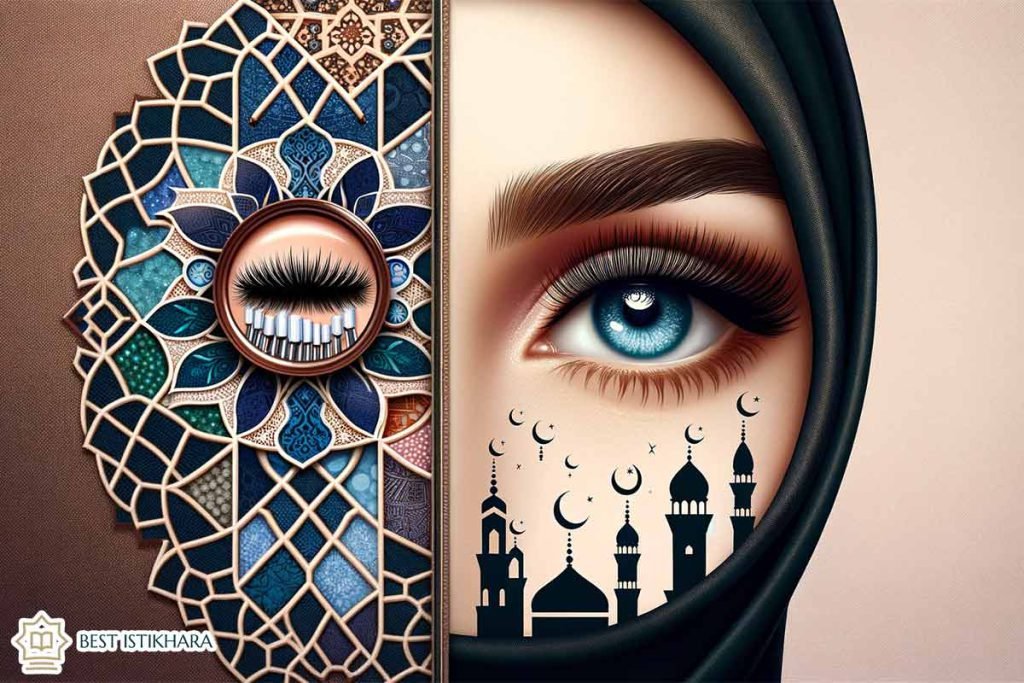
Scholarly opinions on the permissibility of eyelash extensions in Islam vary, primarily due to differing interpretations of Islamic law and principles concerning beautification. Some scholars argue that eyelash extensions could be considered permissible (halal) if they meet specific conditions: they do not cause harm to the body, are not used to deceive, and do not prevent the proper completion of ablution (wudu) if they are permeable to water. These conditions align with general Islamic guidelines on personal adornment and cleanliness.
Other scholars, however, view eyelash extensions as impermissible (haram), particularly if they involve vanity or excessive beautification beyond what is considered modest and reasonable within Islamic teachings. The concern also extends to the potential for eyelash extensions to foster pride or attract undue attention, which could conflict with the Islamic principles of humility and modesty.
Ultimately, the variance in scholarly opinions emphasizes the importance of intention, moderation, and adherence to Islamic ethics in personal beautification practices. Muslims considering eyelash extensions are encouraged to consult knowledgeable religious authorities, reflecting on the purpose and impact of such enhancements in light of their personal faith and the broader Islamic community.
Alternatives to Eyelash Extensions for Muslims
For Muslims seeking beauty enhancements within the bounds of Islamic principles, there are several alternatives to eyelash extensions that align with halal practices. One widely accepted option is the use of natural oils, such as castor or almond oil, which are known to promote eyelash growth and thickness without interfering with religious obligations. These oils are applied directly to the lashes, offering a natural way to achieve fuller-looking eyelashes over time.
Another alternative is the temporary use of mascara that is certified halal and water-permeable. This ensures that it does not prevent water from reaching the skin during wudu, maintaining the purity required for prayers. Additionally, there are halal-certified, removable eyelash strips designed for temporary wear, allowing for enhanced eyelash appearance without permanent alteration.
Muslims are encouraged to seek out products that have been specifically designed with Islamic principles in mind, ensuring that beauty enhancements do not compromise their faith. These alternatives not only adhere to halal standards but also foster a beauty routine that respects the delicate balance between personal adornment and religious observance.
Conclusion
In conclusion, the question of whether eyelash extensions are halal or haram does not have a one-size-fits-all answer. It deeply depends on the interpretation of Islamic teachings, the intention behind their use, and adherence to the principles of modesty and purity in Islam. Scholarly opinions diverge on this matter, highlighting the importance of personal judgment, community norms, and spiritual guidance in making such decisions.
For those considering eyelash extensions, it is crucial to weigh the benefits against potential conflicts with Islamic principles, such as the maintenance of wudu and the avoidance of excessive adornment. Alternatives that align more closely with halal practices offer viable options for beauty enhancement within the framework of faith.
Ultimately, the decision to use eyelash extensions, like many aspects of personal adornment in Islam, should be made with mindfulness towards one’s intentions, respect for religious guidelines, and a sincere commitment to upholding the values of modesty and piety that are central to the Muslim faith.