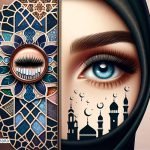

The relationship between makeup, including eyeliner, and Islam is rooted in the religion’s principles regarding modesty, intention, and personal adornment. Islam, a faith that emphasizes the importance of intention (niyyah) in every action, offers guidance on how Muslims should approach personal grooming and beautification. The concept of modesty (haya) is central, guiding not just the dress code but also the use of makeup. This framework doesn’t outright ban cosmetics but encourages believers to reflect on their intentions. Are they aiming to enhance their natural beauty modestly, or is it for vanity or attracting undue attention? Islamic teachings also recognize cultural practices and traditions, allowing room for interpretation and application in various contexts. Thus, understanding makeup in Islam requires examining how these principles balance personal expression with spiritual and ethical considerations. Click to get more information about halal vs haram topics discussed in today’s world.
What Does Haram Mean in Islam?
In Islamic jurisprudence, “haram” denotes actions, substances, or behaviors strictly forbidden by Allah. This term, integral to Islamic law, helps guide Muslims toward righteousness and away from harm. The prohibition extends beyond personal detriment, emphasizing the preservation of community welfare and moral integrity. The Observance of haram principles manifests faith, reflecting a Muslim’s submission to the divine will.

Haram’s Meaning & Role in Islam
“Haram” is derived from Arabic, meaning forbidden, and signifies actions or practices explicitly prohibited by Islamic law (Sharia). These prohibitions are considered serious, and adherence is essential for spiritual purity and societal harmony. The designation of an action as haram is typically clear-cut, based on direct references from the Quran or Hadith, which serves as a moral compass for Muslims.
Haram vs. Halal: Islamic Action Categories
Islamic law classifies actions into distinct categories: haram (forbidden) and halal (permissible). This binary is supplemented by intermediate categories such as “makruh” (discouraged but not sinful) and “mustahabb” (recommended), offering nuanced guidance for ethical conduct. Understanding these distinctions is crucial for Muslims striving to align their daily lives with Islamic principles, navigating the complexities of modern living with faith-based direction.
Historical Use of Eyeliner in Islamic Cultures
Eyeliner, specifically kohl, has a profound historical presence in Middle Eastern and Islamic cultures, deeply ingrained in their traditions and daily practices. Its origins trace back thousands of years, serving multiple purposes beyond aesthetics. Kohl was utilized for its protective qualities against harsh sunlight and as a preventive measure against eye diseases. Its application was common among both genders, reflecting its cultural significance and the belief in its health benefits.
The historical context of eyeliner (kohl) use in Islamic cultures
Kohl’s use in Islamic societies was multifaceted, symbolizing purity and protection. It transcended mere cosmetic use, embodying a tradition with spiritual connotations. This practice was widely accepted, signifying a blend of beauty, health, and spiritual protection.
Hadiths: Kohl’s Significance & Benefits
Islamic traditions and Hadiths endorse kohl for its beneficial properties, highlighting its significance beyond beauty. The Prophet Muhammad’s use of kohl underscores its importance, advocating for its health benefits and protective qualities. This endorsement integrates kohl within Islamic practices, merging health, beauty, and spirituality.
Eyeliner for Beautification vs. Cultural Practices
The use of eyeliner in Islamic societies oscillates between personal beautification and adherence to cultural practices. This distinction is pivotal in understanding its place within Islamic teachings, which emphasize intention in actions.
Eyeliner Intent: Beauty or Culture?
In Islamic culture, eyeliner is employed for beautification and as a part of traditional practices. While beautification seeks to enhance personal appearance, cultural usage is deeply rooted in historical and spiritual significance. The intention behind its use distinguishes permissible personal adornment from vanity, guided by the principles of modesty and moderation.
How intentions affect the permissibility of makeup in Islam
In Islam, the intention (niyyah) behind any action significantly impacts its permissibility. When makeup, such as eyeliner, is applied with the intention of modestly enhancing natural beauty within the bounds of Islamic guidelines, it is generally considered permissible. However, if the intent veers towards attracting undue attention or flaunting beauty, it may cross the boundaries of modesty, thus affecting its acceptability. This distinction underlines the importance of aligning personal grooming practices with Islamic ethical standards.
Scholarly Opinions on Wearing Eyeliner
Islamic scholars have diverse opinions regarding the use of eyeliner, reflecting the broad spectrum of thought within Islamic jurisprudence. These perspectives often hinge on the interpretation of religious texts and the intention behind using makeup.
Scholar Views on Eyeliner’s Permissibility
Some scholars permit the use of eyeliner, considering it a continuation of cultural practices with historical roots in Islamic societies. They emphasize moderation and the preservation of modesty, aligning with the broader Islamic principles regarding personal adornment. Others caution against its use, particularly when it involves excessive beautification or attracting attention, which could conflict with the principles of modesty and humility.
When Is Eyeliner Permissible or Haram?
The permissibility of wearing eyeliner in Islam largely depends on the wearer’s intention and the context of its use. It is generally permissible if used modestly for personal beautification without the intent of drawing unnecessary attention or flaunting. Conversely, it could be viewed as haram if it leads to vanity or distracts from spiritual obligations. The distinction underscores the importance of adhering to the spiritual ethos of Islam, balancing personal adornment with modesty and purity.
Modern Makeup Trends and Islamic Ethics
The intersection of modern makeup trends and Islamic ethics presents a nuanced dialogue between contemporary beauty standards and traditional religious principles. This conversation is particularly relevant in the context of trends like winged eyeliner, which has gained global popularity.
Modern Makeup vs. Islamic Ethics
Winged eyeliner, a symbol of modern beauty, is scrutinized through Islamic ethics, focusing on intention and moderation. Islamic teachings advocate a balanced approach to beautification, emphasizing that makeup should not compromise modesty or spiritual integrity. The trend is analyzed not for its style but for the intention behind its use and its impact on the individual’s adherence to Islamic values.
Self-Expression & Islamic Principles Balance
Navigating modern makeup trends, including winged eyeliner, involves balancing self-expression with Islamic principles. This balance requires mindfulness about the purpose of beautification and its reflection on one’s faith. While Islam allows for personal adornment, it places paramount importance on modesty, advocating for beauty practices that align with ethical and spiritual guidelines rather than societal pressures or trends. This balance encourages Muslims to express themselves within the framework of their faith, maintaining a harmony between contemporary aesthetics and timeless Islamic values.
Conclusion
Navigating the use of makeup, including eyeliner, within the Islamic faith highlights the importance of intention, modesty, and adherence to spiritual values. Islamic teachings provide a framework that allows for personal expression through beautification, emphasizing that such practices should not detract from one’s faith or modesty. The discussions around makeup in Islam, from historical practices to modern trends, reflect a dynamic interpretation of Islamic law, accommodating cultural diversity while upholding core religious principles. Ultimately, the aim is to harmonize personal grooming with Islamic ethics, fostering a mindful approach to beauty that respects both individuality and religious convictions.