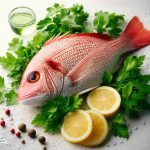
When it comes to dietary laws in Islam, the concept of halal is central to ensuring that food consumption adheres to religious guidelines. For many Muslims around the world, understanding what qualifies as halal is crucial, especially when it involves seafood. Herring, a popular fish known for its nutritional benefits and culinary versatility, often prompts questions about its halal status. This article delves into the specific criteria that make herring fish meat halal, exploring the religious principles, scholarly interpretations, and practical considerations that guide Muslims in making informed dietary choices. By examining these aspects, we aim to provide a comprehensive understanding of why herring fish is considered permissible under Islamic dietary laws. Click to get more information about halal vs haram topics discussed in today’s world.
Halal Certification
To ensure that herring fish meets all halal requirements, many fisheries and processing plants obtain halal certification. This certification process involves rigorous inspections to verify that the fish is handled and processed according to Islamic laws, providing consumers with confidence in their dietary choices.
In conclusion, herring fish is widely considered halal based on clear Quranic guidance, scholarly consensus, and its natural characteristics and handling methods. Muslims can consume herring with confidence, knowing it adheres to the principles of halal dietary laws.
Scholarly Consensus
In the realm of Islamic dietary laws, the consensus among scholars plays a critical role in guiding the Muslim community on what is permissible (halal) to consume. When it comes to seafood, there is a broad agreement among Islamic scholars that fish, including herring, is halal. This consensus is rooted in various interpretations of religious texts and principles that govern Islamic jurisprudence.
Agreement Across Major Islamic Schools
The four major Sunni schools of thought—Hanafi, Shafi’i, Maliki, and Hanbali—generally agree on the permissibility of consuming fish. Each school has its specific criteria, but all concur that fish with scales, such as herring, are halal.
- Hanafi School:The Hanafi school is known for its strict adherence to consuming only fish that have scales. Since herring is a scaly fish, it is deemed halal.
- Shafi’i School: The Shafi’i scholars allow the consumption of all types of fish and sea creatures, provided they are not harmful. This inclusive view encompasses herring.
- Maliki School: Similar to the Shafi’i school, Maliki scholars permit the consumption of fish with scales and other sea creatures, as long as they are not toxic.
- Hanbali School: The Hanbali school also supports the permissibility of fish with scales, aligning with the other schools in considering herring halal.
Basis in Hadith and Fiqh
Islamic jurisprudence (Fiqh) and Hadith (sayings and actions of Prophet Muhammad) provide additional support for the consensus on fish. Many Hadiths emphasize the permissibility of consuming sea creatures, reinforcing the Quranic guidance. Scholars have interpreted these texts to consistently affirm that fish, especially those with scales like herring, are halal.
Contemporary Scholarly Views
Modern Islamic scholars continue to uphold these traditional views, adapting them to contemporary contexts. They emphasize the importance of fish being caught in a humane manner and coming from clean environments, which herring typically does.
The scholarly consensus on the permissibility of herring fish is clear and well-supported, making it a reliable choice for Muslims adhering to halal dietary laws.
Natural Death and Clean Habitat
For fish to be considered halal, it must meet specific criteria, including the manner of death and the cleanliness of its habitat. These factors are crucial in determining whether herring fish meat adheres to Islamic dietary laws.
Humane Capture and Natural Death
Islamic law stipulates that animals must be slaughtered in a humane manner to be considered halal. In the case of fish, this means they should ideally be caught alive and die naturally out of water or through a swift, humane process. Herring, often caught using traditional fishing methods, typically meets this requirement. Fishermen ensure that herring are swiftly removed from water and handled in a manner that minimizes suffering, aligning with the principles of halal.
Clean and Pure Habitat
The environment in which the fish is caught also plays a significant role in its halal status. Herring are usually found in clean, unpolluted waters, which is a vital criterion for their permissibility. Islamic dietary laws emphasize the importance of consuming animals that come from pure and uncontaminated habitats. This ensures that the fish is free from harmful substances and toxins, making it safe and permissible for consumption.
Avoidance of Contamination
During the fishing and processing stages, it is crucial to avoid any form of contamination with haram (forbidden) substances. This includes ensuring that the equipment used is clean and that the fish are not exposed to non-halal elements. The adherence to such stringent cleanliness standards further supports the halal status of herring fish.
Verification of Halal Standards
Many herring fisheries now adhere to halal certification processes, where they are inspected and verified by halal certification bodies. These certifications ensure that all aspects of fishing, handling, and processing comply with Islamic laws. Consumers can look for halal-certified herring products to be assured of their compliance with these standards.
By meeting these criteria, herring fish maintain their status as halal, allowing Muslims to consume them with confidence in their adherence to religious dietary laws.
Conclusion
In summary, herring fish is considered halal based on clear Quranic guidance and consensus among Islamic scholars. The Quran permits the consumption of seafood, including herring, as stated in Surah Al-Ma’idah (5:96). Islamic scholars from various schools of thought agree that fish with scales, such as herring, are halal. Herring’s method of capture and clean habitat ensure it meets the criteria for halal seafood. The fish is typically caught humanely and from unpolluted waters, aligning with Islamic dietary laws. Furthermore, the nutritional benefits of herring support its inclusion in a halal diet. Halal certification processes provide additional assurance that herring is handled according to Islamic principles, giving Muslims confidence in their dietary choices.