Bison meat, a less common alternative to beef in many parts of the world, has been gaining attention for its health benefits and sustainable farming practices. However, for many Muslim consumers, the primary question remains: Is bison meat halal? The answer hinges on the Islamic dietary laws detailed in the Quran and the Hadith, which outline what is permissible (halal) and what is not permissible (haram) for Muslims to consume. This article delves into the criteria that determine the halal status of meats, examines the specific case of bison, and discusses how this meat can be a part of a halal diet, provided certain conditions are met during its slaughter and handling. By understanding these religious guidelines, Muslim consumers can make informed decisions about incorporating bison meat into their meals. Click to get more information about halal vs haram topics discussed in today’s world.
Exploring the Halal Certification of Bison Meat in the US
In the United States, the halal certification of bison meat is governed by stringent Islamic dietary laws that ensure the meat is permissible for Muslim consumption. This certification process involves multiple steps, starting from the careful selection of healthy bison that have not been given impermissible substances such as hormones or non-halal feed. The slaughtering process must be conducted by a Muslim who is sound of mind, recites the Tasmiyah and Takbeer (prayers), and uses a sharp knife to make a swift and humane single cut through the jugular veins and arteries of the animal.
The facilities where bison are processed must also adhere to strict cleanliness standards and ensure that cross-contamination with non-halal substances does not occur. After slaughtering, the meat must be properly drained of blood, as the consumption of blood is prohibited in Islam. Halal certifying bodies in the US, such as the Islamic Services of America or the Halal Advocates of America, conduct regular inspections and audits to confirm adherence to these practices.
Certification Bodies and Their Role
These bodies are crucial in providing the necessary assurances to Muslim consumers about the halal status of bison meat. They issue certificates only after thorough examination of the entire chain of custody, from the farm to the processing facility. This ensures that every stage complies with Islamic dietary laws, providing a clear, trusted path for halal bison meat to enter the market and be confidently consumed by the Muslim community in the US.
Is Bison Meat Halal? An In-Depth Look at Its Dietary Status
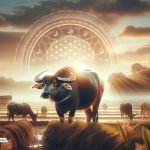
Determining whether bison meat is halal centers on how the animal is treated from its life on the farm to its method of slaughter. Islamically, bison can be considered halal if slaughtered correctly, which involves specific rituals. The animal must be alive and healthy at the time of slaughter, which should be performed by a sane, adult Muslim. The process requires a sharp knife to make a quick, humane incision through the throat, cutting the trachea, esophagus, and the main arteries and veins without severing the spinal cord. This method ensures minimal suffering.
Moreover, the name of Allah must be invoked at the time of slaughter. This spiritual component, combined with the physical technique, categorizes the meat as permissible under Islamic law. Provided these conditions are strictly adhered to, bison meat is deemed halal and suitable for consumption by Muslims.
Importance of Compliance with Halal Standards
Compliance with halal standards is crucial not only for spiritual adherence but also for the psychological comfort of Muslim consumers. It reassures them that the meat they consume supports their ethical and religious values, emphasizing dignity and respect for the creature, ensuring the meat is as pure and wholesome as prescribed by Islamic dietary guidelines.
Conclusion
In conclusion, the halal status of bison meat is contingent upon adherence to Islamic dietary laws that dictate both the ethical treatment of the animal and the method of slaughter. For bison meat to be considered halal, it must be processed in a manner that complies with these stringent requirements, including a humane slaughter process conducted by a qualified Muslim who invokes the name of Allah. When these conditions are met, bison meat offers a lawful and nutritious option for Muslims seeking diverse protein sources within their dietary guidelines. By ensuring these practices, consumers can confidently incorporate bison meat into their halal diet, knowing it aligns with their religious and ethical standards.