Halal turkey meat adheres to Islamic dietary laws as specified in the Quran. These laws dictate not only which types of foods can be eaten but also how the foods should be prepared. For meat to be considered halal, it must come from a permissible source and be processed in accordance with Islamic law. This includes invoking the name of Allah (God) during slaughter, using a sharp knife to ensure a quick, humane kill, and draining all the blood from the carcass. Turkey meat is naturally halal when these conditions are met, making it a favored option among Muslim consumers around the world. The rising demand for halal turkey is supported by its dietary benefits and versatility in various culinary dishes. Click to get more information about halal vs haram topics discussed in today’s world.
The Basics of Halal Slaughter
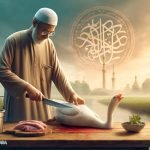
Halal slaughter, or Dhabihah, refers to the method prescribed by Islamic law for the slaughtering of animals intended for human consumption. This process is designed to ensure the health of the animal, the cleanliness of the meat, and adherence to spiritual guidelines emphasizing compassion and respect for the creature.
Islamic Rules about the Correct Method of Halal Slaughter
Under Islamic law, several criteria must be met for meat to be considered halal. First, the animal must be healthy at the time of slaughter and not already dead. The individual performing the slaughter must be a sane adult Muslim, and the act must be performed intentionally, with a sharp knife, to ensure a swift incision through the jugular veins and carotid arteries, minimizing the animal’s pain. During the slaughter, the name of Allah must be invoked by saying “Bismillah” (In the name of Allah) to fulfill the spiritual aspect of the ritual. The blood must be completely drained from the veins to purify the meat. These steps help satisfy the requirements set by Islamic dietary laws, which are not only meant to meet physical cleanliness standards but also to reflect a profound respect for life.
Turkey Meat and Halal Certification
Halal certification for turkey meat involves a comprehensive process that ensures the meat is prepared according to Islamic dietary laws, which is crucial for catering to Muslim consumers globally.
How Turkey Meat is Halal: Processes and Certification Authorities?
The certification process for turkey meat to be recognized as halal typically involves several stages, starting with an audit of the farm where the turkeys are raised. The turkeys must be fed a natural diet free from non-halal substances, and their welfare must be considered. The slaughter must then be performed by a trained Muslim slaughterman who adheres to the Dhabihah method, which includes reciting a blessing and swiftly severing the jugular veins and carotid arteries to ensure humane treatment and proper bleeding. After slaughter, the meat is inspected to ensure it meets health and safety standards.
Certification authorities vary by region but generally include organizations like the Halal Food Authority (HFA) or the Islamic Food and Nutrition Council of America (IFANCA). These bodies audit the processes regularly and provide certification labels that assure consumers of the meat’s halal status. This certification is crucial for consumer trust and market access, particularly in international markets where compliance with halal standards is rigorously monitored.
Is All Turkey Meat Halal?
The question of whether all turkey meat is halal is nuanced and requires understanding the specific Islamic dietary laws related to meat processing.
Identifying Halal Turkey Meat by Referring to Islamic Scholars
A common misconception is that all turkey meat is automatically halal if the turkey itself is a permissible animal in Islam. However, for turkey meat to be considered halal, it must meet specific slaughtering criteria outlined by Islamic law. These criteria include the slaughter being carried out by a sane, adult Muslim who pronounces the name of Allah at the time of slaughter. The method of slaughter must involve the following:
- A swift and humane cutting of the throat.
- Cutting the jugular veins and carotid arteries while leaving the spinal cord intact.
- Allowing all the blood to drain from the body.
Islamic scholars and halal certification agencies, such as the Halal Monitoring Committee (HMC) and the Islamic Food and Nutrition Council of America (IFANCA), emphasize that the halal status also depends on factors such as how the animal was treated during its life, its feed, and the absence of non-halal substances during processing. These certifications ensure that the entire process adheres to Islamic guidelines, making the turkey meat permissible for Muslims to consume.
Conclusion
Understanding the halal status of turkey meat is crucial for Muslim consumers seeking to adhere to dietary laws prescribed in Islam. The key factors determining halal compliance include the health of the animal, the method of slaughter, and the slaughterman’s faith and practices. Certified halal turkey meat ensures that all these conditions are met, providing reassurance to consumers about the product’s compliance with Islamic law. As the demand for halal turkey meat grows globally, both consumers and suppliers must remain vigilant about maintaining strict halal standards to ensure the integrity and spiritual compliance of the meat consumed.
FAQs
- What makes turkey meat halal?
- Halal turkey meat must be processed according to Islamic dietary laws, which include specific slaughtering practices. The animal must be slaughtered with a sharp knife by a Muslim who invokes Allah’s name during the act, ensuring a swift cut to the throat to drain all blood.
- Can turkey meat be non-halal?
- Yes, turkey meat can be considered non-halal if it does not meet the Islamic slaughtering practices or if it is processed or contaminated with haram substances at any point during its preparation.
- How do I verify if turkey meat is halal?
- Look for halal certification labels on the packaging, which are provided by recognized halal certification authorities. These labels ensure the meat has been inspected and meets all halal requirements.
- Are there different halal certification standards for turkey meat?
- Yes, other countries and regions may have varying standards and certifying bodies. Common halal certifiers include the Halal Food Authority (HFA), the Islamic Food and Nutrition Council of America (IFANCA), and local mosques or Islamic councils.