Lamb meat is a staple in many cuisines around the world, cherished not only for its flavor but also for its cultural significance in various dietary laws, including Islamic dietary laws. For Muslims, whether or not food is halal, permissible under Islamic law, is a crucial consideration. Lamb meat, widely consumed and available, often prompts the question: Is it halal? This concern primarily hinges on the manner in which the lamb is slaughtered and processed. According to Islamic law, for lamb meat to be considered halal, it must meet specific slaughtering practices that include reciting a blessing, ensuring the animal is healthy and alive before slaughter, and adhering to humane slaughtering techniques to minimize suffering. This introduction aims to explore the intricate balance between traditional culinary practices and religious compliance, which ensures that lamb meat is not only delicious but also aligns with halal standards. Click to get more information about halal vs haram topics discussed in today’s world.
Is All Lamb Meat Halal? Exploring Certification
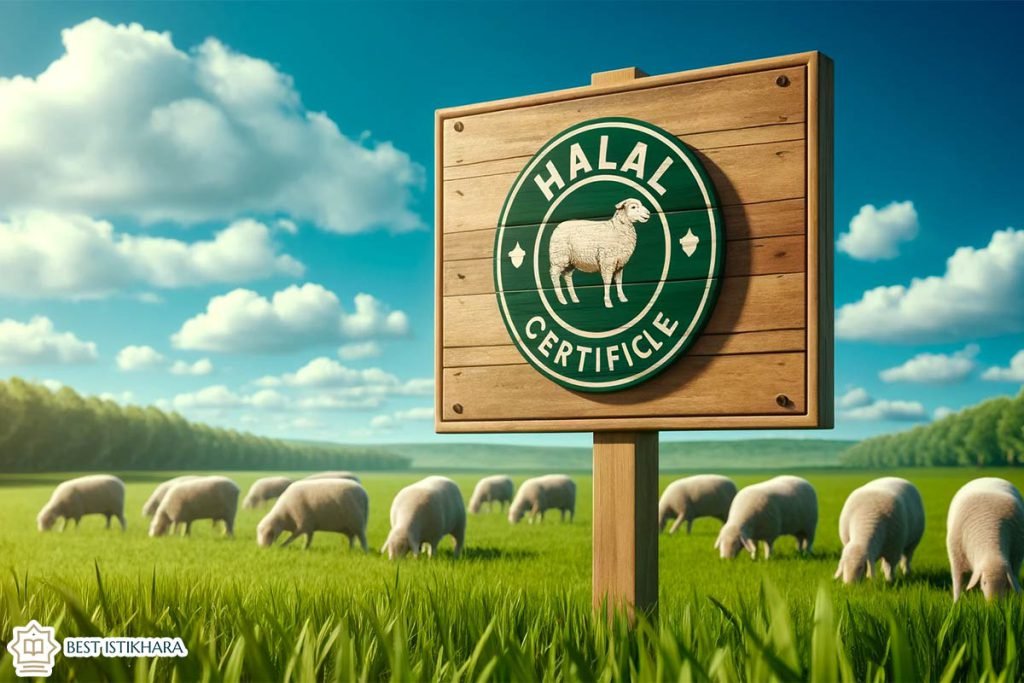
Not all lamb meat is automatically halal. The designation depends significantly on the process used for slaughtering and handling the meat according to Islamic laws. For lamb meat to be considered halal, it must be slaughtered by a sane adult Muslim who invokes the name of Allah before making a swift, single cut to the throat. This cut must sever the trachea, esophagus, and the main arteries and veins of the neck to ensure the blood is fully drained, as the consumption of blood is prohibited in Islam.
Moreover, the animal must be healthy and alive at the time of slaughter and must not have been subjected to any harsh treatment or conditions. Post-slaughter, the meat must be processed and packaged in a way that prevents contamination with non-halal substances. Halal certification bodies verify these practices and offer their marks of certification to assure consumers of the meat’s compliance with halal standards. Thus, verifying halal certification is essential for consumers seeking genuine halal lamb.
Certification Processes and Their Impact
Halal certification involves rigorous inspection and monitoring to ensure compliance with Islamic dietary laws. Certified bodies assess the slaughtering facilities, slaughtering methods, and handling procedures to ensure they meet halal requirements. The presence of a halal certification label from a recognized authority provides assurance to consumers that the lamb they are purchasing adheres to the strict guidelines of halal preparation. This certification not only supports Muslim consumers in making informed dietary choices but also impacts the global trade of lamb meat by enabling access to markets requiring certified halal products.
Global Trends in Halal Lamb Demand
The global demand for halal lamb has seen substantial growth, driven by increasing Muslim populations worldwide and rising awareness of halal food benefits beyond religious compliance. Countries with significant Muslim populations like Indonesia, Malaysia, and the Gulf Cooperation Council (GCC) states have traditionally been large markets for halal lamb. However, Western countries with growing Muslim communities, such as the United States, the United Kingdom, and Canada, are also seeing a rise in demand.
This growth is not only due to demographic changes but also due to the expanding appreciation for the quality and ethical considerations involved in halal meat production. Halal certification, which ensures that meat is produced according to Islamic dietary laws, is becoming a sign of quality assurance valued by both Muslim and non-Muslim consumers. This shift is influencing global meat markets, encouraging more producers to consider halal certification to access these lucrative markets.
Influence of Halal Certification on Market Access
Halal certification plays a crucial role in global trade, especially for lamb producers. This certification opens doors to international markets that demand compliance with Islamic dietary laws. For producers, obtaining halal certification can be a strategic move to enhance market share and consumer trust, particularly in regions with significant Muslim populations. As halal certification becomes synonymous with ethical and quality standards, its impact on consumer choice and global trade routes continues to expand, shaping the future of the lamb meat industry.
Ethical Guide to Slaughtering Halal Lamb
The ethical slaughter of halal lamb adheres strictly to Islamic principles that prioritize animal welfare and dignity. The process begins with ensuring that the animal is healthy and has been treated well throughout its life, reflecting a respect for the creatures as mandated by Islamic teachings. Slaughtering must be performed by a skilled Muslim who recites the Tasmiyah and Takbir to bless the meat. The technique used involves a swift, clean cut to the throat with a sharp knife, ensuring minimal suffering. This cut severs the jugular veins and carotid arteries, facilitating quick blood drainage, which is essential in halal practices to purify the meat.
The environment where the slaughter takes place must be calm and clean, preventing the animal from seeing other animals being slaughtered or sensing distress, which could cause fear. These practices are not only about compliance with religious norms but also about promoting compassion and responsibility towards animal welfare, making the process as humane and respectful as possible.
Importance of Transparency and Training in Halal Slaughter
Transparency and proper training are critical in ethical halal slaughtering. Individuals performing the slaughter are required to have thorough training to master the precise and humane slaughtering methods that comply with halal standards. This training ensures that the principles of halal slaughtering are upheld, minimizing animal distress and maintaining meat quality. Transparency about the slaughtering practices also builds trust among consumers, confirming that the halal meat they purchase is ethically sourced and processed according to Islamic law. This adherence not only respects religious mandates but also addresses growing consumer concerns about ethical meat processing.
Conclusion
In conclusion, lamb meat can indeed be considered halal when it adheres to specific Islamic dietary laws concerning animal welfare, slaughtering methods, and post-slaughter handling. The process requires the animal to be healthy and treated humanely up until the point of slaughter, which must be conducted by a sane, adult Muslim who recites a blessing and swiftly and cleanly cuts the throat to ensure minimal suffering and proper blood drainage. Certification by recognized halal authorities provides further assurance to consumers that these stringent practices have been followed. As the demand for halal products grows globally, understanding and respecting these practices not only caters to religious needs but also raises the ethical standards of meat production worldwide.