The concept of Halal, deeply rooted in Islamic law, guides Muslims in various aspects of life, especially dietary laws. Halal, translating to “permissible” in Arabic, encompasses more than just food; it’s a holistic approach to cleanliness, integrity, and ethical considerations in life’s facets. In the context of food, Halal ensures the consumption of items deemed pure and clean by Islamic standards. This involves the type of food and its preparation, processing, and handling methods. Understanding Halal is crucial for Muslims worldwide, as it reflects a commitment to living a life aligned with Islamic principles, fostering a deep sense of community, spiritual fulfillment, and ethical living. Click to get more information about halal vs haram topics discussed in today’s world.
What is Arabic Gum?
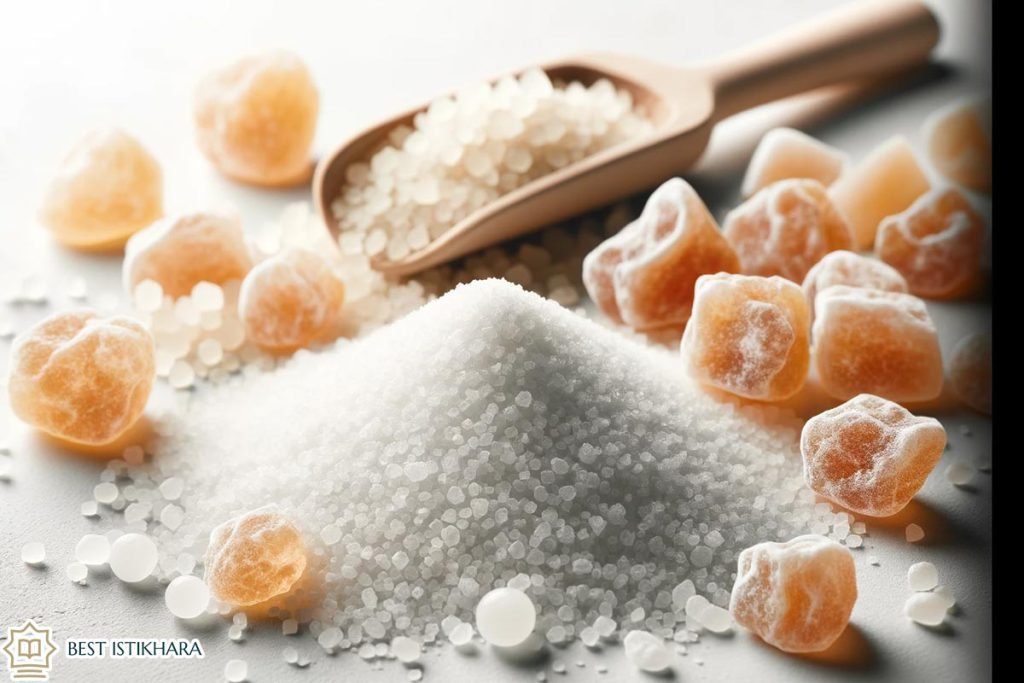
Arabic gum, also known as gum acacia, is a natural gum consisting of the hardened sap of various species of the acacia tree. Primarily sourced from the Acacia Senegal and Acacia seyal trees, it is found in the Sahel region of Africa, stretching from Senegal to Sudan. Harvesting Arabic gum is an eco-friendly process that involves tapping the trees for sap, which then hardens and is collected. This substance is highly valued for its versatility and safety as a food additive.

Description of Arabic Gum and its Sources
Arabic gum originates from the sap of acacia trees, particularly Acacia senegal and Acacia seyal. These trees are indigenous to the semi-desert regions of Sub-Saharan Africa, where the climate and soil conditions are ideal for their growth. The gum is harvested by making careful incisions in the tree bark, allowing the sap to exude and harden upon exposure to air. This method ensures the resource’s sustainability and the tree’s health.
Common Uses of Arabic Gum in Food and Other Products
Arabic gum is a stabilizer, emulsifier, and thickening agent in the food industry, enhancing texture and consistency in various products, including soft drinks, ice creams, and confectioneries. Beyond its culinary uses, Arabic gum is employed in pharmaceuticals as a binder for pills, cosmetics for its emollient properties, and in the art world as a traditional binder in watercolor paints and inks. Its natural origin and minimal processing make it a preferred choice for health-conscious consumers and industries.
The Criteria for Halal Food
Halal food compliance is deeply rooted in Islamic dietary laws, outlined in the Quran and Hadith. These laws specify permissible food and drink while emphasizing ethical, humane treatment of animals and cleanliness in food preparation. To be deemed halal, food must not contain any traces of alcohol, pork, or blood, and all meat must come from a halal-certified source, ensuring the animal was healthy at the time of slaughter and killed in a specific, humane manner.
Overview of What Makes Food Halal
Food is considered halal if it adheres to Islamic law, which prohibits certain ingredients like alcohol and pork and mandates specific slaughtering practices. The animal must be alive and healthy before being slaughtered in the name of Allah, and the blood must be completely drained from the carcass, ensuring purity and respect in the process.
Ingredients & Processes Define Halal Status
The ingredients used in food products must be scrutinized to ensure they meet halal standards and avoid prohibited substances. Moreover, the manufacturing process plays a crucial role; cross-contamination with non-halal items must be prevented. Facilities must maintain strict hygiene and purity standards, including using separate utensils and equipment for halal products, to uphold the integrity of halal certification.
Is Arabic Gum Halal?
Determining whether Arabic gum is halal involves understanding its composition and how it’s produced. Arabic gum, harvested from the acacia tree, is naturally occurring and does not involve the addition of any synthetic or haram (forbidden) substances during its collection or processing. This factor is crucial in Islamic dietary law, emphasizing natural and pure food sources without contamination by prohibited substances.
Examination of Arabic Gum’s Composition and Production Process
Arabic gum is a complex polysaccharide obtained from the sap of acacia trees. The collection process is straightforward and environmentally sustainable, involving tapping the tree bark to allow the sap to exude. Once hardened, this sap is harvested and purified through a physical process without the addition of chemicals or alcohol, maintaining its purity and natural state.
Islamic Views on Arabic Gum’s Halal Status
Islamic scholars and various halal certification bodies have examined Arabic gum’s production and composition, affirming its halal status. The consensus is based on its natural sourcing, the absence of forbidden ingredients in its composition, and the ethical, clean methods involved in harvesting and processing. This endorsement by religious authorities assures Muslim consumers of its suitability for inclusion in a halal diet, making Arabic gum a widely accepted and utilized ingredient in food, pharmaceuticals, and other halal-certified products.
Benefits of Arabic Gum
Arabic gum is not just a food additive; it is a powerhouse of health benefits and a critical ingredient in the food industry due to its unique properties.
Health Benefits Associated with Consuming Arabic Gum
Consuming Arabic gum offers numerous health benefits, including improved digestion, reduced cholesterol levels, and better blood sugar control. It’s rich in soluble fiber, aiding gut health and regularity. Additionally, its prebiotic properties support healthy gut bacteria, contributing to overall well-being. Studies have also shown that Arabic gum can help manage weight, providing a feeling of fullness.
Its Role in the Food Industry as an Emulsifier and Stabilizer
In the food industry, Arabic gum is prized for its role as an emulsifier and stabilizer. It helps oil and water-based ingredients mix more effectively, preventing separation and improving texture and shelf life. This is particularly important in products like salad dressings, soft drinks, and ice creams. Its versatility and natural origin make it an invaluable tool for creating consistent, high-quality food products without synthetic additives.
How to Identify Halal Arabic Gum?
Identifying halal Arabic gum ensures that your products align with Islamic dietary laws, which is crucial for maintaining a halal diet.
How to Spot Halal-Certified Products?
When identifying halal Arabic gum in products, scrutinizing food labels is essential. Ingredients should be listed, and Arabic gum should be indicated. Look for products that explicitly mention “halal” on the label or provide a clear list of ingredients, ensuring no hidden non-halal substances exist. Familiarizing yourself with common non-halal ingredients can also help you avoid them.
It is Important to Look for Halal Certification Marks
Seeking out halal certification marks is crucial for ensuring that Arabic gum and its products comply with halal standards. These marks are provided by recognized halal certification bodies and indicate that the product has undergone rigorous scrutiny to meet halal requirements. Certifications assure consumers that the product, including its Arabic gum content, adheres strictly to Islamic dietary laws, offering peace of mind for consumers.
Conclusion
In exploring the halal status of Arabic gum, its benefits, and how to identify halal-certified products, we’ve uncovered the importance of this natural ingredient in both the dietary and cultural practices of Muslims worldwide. Arabic gum’s natural sourcing, health benefits, and versatility in the food industry highlight its value beyond just being halal. Consumers seeking to adhere to Islamic dietary laws can rely on halal certification as a guide to making informed choices. Ultimately, the journey of understanding Arabic gum’s role in halal nutrition underscores the intersection of faith, health, and sustainability in our global food systems.
Faq
- Is all Arabic gum halal?
- Yes, Arabic gum, derived from the sap of the Acacia tree, is naturally halal. Its collection and processing do not involve non-halal substances or practices, making it permissible for Muslims to consume.
- Can Arabic gum be used in all halal food products?
- Arabic gum can be used in various halal food products, including beverages, dairy items, baked goods, and confectioneries. Its versatility as an emulsifier, stabilizer, and thickener makes it suitable for various applications in halal food manufacturing.
- How can I ensure the Arabic gum in my food is halal?
- Look for halal certification marks on the product packaging. These marks indicate that the product, including its Arabic gum content, has been rigorously tested and certified by a recognized halal certification body.
- Are there any health benefits to consuming Arabic gum?
- Yes, Arabic gum is known for several health benefits, including aiding digestion, reducing cholesterol levels, and managing blood sugar. It’s also rich in soluble fiber, which promotes gut health.
- Can Arabic gum cause any allergies?
- Arabic gum is generally considered safe and is widely used in food and pharmaceutical products. However, some individuals might experience allergic reactions as with any natural product. It’s always best to consult with a healthcare provider if you have concerns about allergies.
- Is the production of Arabic gum sustainable?
- Yes, the production of Arabic gum is sustainable. The gum is harvested from Acacia trees in a way that does not harm the tree and provides a vital source of income for communities in the gum-producing regions of Africa.