In the vast ocean of Islamic dietary laws, understanding what makes food halal (permissible) is crucial for Muslims worldwide. Among the many types of seafood, tuna holds a special place for its nutritional benefits and its clear status as halal. This article delves into why tuna is considered halal in Islam and the importance of scales in determining the permissibility of fish. Click to get more information about halal vs haram topics discussed in today’s world.
What Makes Tuna Halal?
According to Islamic law, the consumption of any fish that has scales is permitted, making tuna a halal choice for Muslims. This ruling is derived from the Hadith and the Quran, which provide guidance on lawful and unlawful foods. Tuna, known for its distinct scales and widespread availability, is embraced by Muslim communities as a nutritious part of their diet.
The Scale Criterion
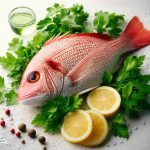
The Islamic dietary law specifies that fish must have scales at any point in their life cycle to be considered halal. This criterion excludes certain types of seafood but firmly places tuna within the halal category. The presence of scales is more than a dietary guideline; it signifies purity and the fish’s suitability for consumption without the need for slaughter in the Islamic manner.
Nutritional and Spiritual Benefits of Tuna
Tuna is not only permissible in Islam but also highly regarded for its health benefits. Rich in omega-3 fatty acids, protein, and essential nutrients, tuna supports heart health, reduces the risk of certain diseases, and promotes overall well-being. Consuming halal foods like tuna also carries spiritual significance, as it aligns with adhering to Allah’s commands, fostering a sense of discipline and gratitude in one’s dietary habits.
Choosing Halal Tuna
For Muslims seeking to incorporate tuna into their diets, it’s important to choose options that adhere to halal standards. This includes ensuring the tuna was handled and processed in facilities that comply with Islamic dietary laws. Many halal-certified products and suppliers cater to the needs of the Muslim community, making it easier to enjoy tuna without compromising on religious principles.
Conclusion
Tuna’s status as halal in Islam, thanks to its scales, opens up a world of nutritional and spiritual benefits for Muslims. By choosing halal-certified tuna, the Muslim community can enjoy this delicious seafood while staying true to their faith. As one of the world’s largest Islamic websites, Best Istikhara is committed to providing valuable insights into halal dietary laws, helping Muslims make informed choices about their diet.