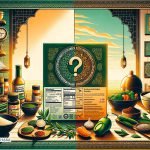

E 631, also known as Disodium Inosinate, is a food additive widely utilized in the food industry to enhance flavor and appeal to consumers’ taste preferences. This compound is especially prevalent in snack foods, packaged noodles, and various processed meats, serving as a flavor enhancer that works synergistically with monosodium glutamate (MSG) to provide a savory taste known as umami. The origin of E 631 can be diverse, ranging from animal sources, including fish and pigs, to microbial fermentation, which is a critical factor for dietary considerations, particularly for individuals following strict Halal nutritional laws. Its Halal status is not universally fixed and depends significantly on the ingredient’s source, making it a subject of scrutiny and inquiry among consumers concerned about adhering to Halal dietary guidelines.Click to get more information about halal vs haram topics discussed in today’s world
What is E 631?
E 631, or Disodium Inosinate, is a flavor enhancer integral to the food industry’s quest for more prosperous, palatable flavors. This additive is vital in creating the savory umami taste, often found with monosodium glutamate (MSG) to amplify flavor profiles in various food products. Its utility spans a broad spectrum of food items, from snacks and instant noodles to soups and canned goods, where it significantly improves taste satisfaction without adding a distinct flavor of its own.

E 631 Sources: Animal & Plant Origins
The derivation of E 631 is multifaceted, with sources ranging from animal to microbial fermentation. Traditionally, it has been extracted from fish and pork, making its acceptability vary among different dietary laws and preferences. However, advancements in biotechnology have enabled the production of E 631 through bacterial fermentation, which uses plant-based substrates. This development is pivotal for making E 631 accessible to a broader audience, including those following vegetarian, vegan, or Halal dietary guidelines, as it circumvents the need for animal-derived ingredients.
The Halal Aspect of E 631
Halal, an Arabic term meaning “permissible,” is a set of Islamic dietary laws dictating what is allowed for consumption. For Muslim consumers, adhering to Halal is not merely a dietary preference but a fundamental aspect of faith that influences their choices in food, pharmaceuticals, cosmetics, and other consumer goods. Halal guidelines ensure that the food consumed is clean, ethical, and prepared by Islamic law. This encompasses the type of food and its preparation, processing, and handling.
Dive Into Why the Source of E 631 Matters for its Halal Status
The Halal status of E 631, or Disodium Inosinate, primarily depends on its source. Since E 631 can be derived from various sources, including animals, plants, and microbial fermentation, its Halal certification ensures the source aligns with Halal dietary laws. Animal-derived E 631, especially from pigs or non-Halal slaughtered animals, is impermissible for Muslim consumers. Conversely, E 631 sourced from Halal-certified animals, plants, or microbial fermentation is considered Halal. This distinction underscores the importance for manufacturers to transparently disclose the origin of E 631 in their products, enabling Muslim consumers to make informed dietary choices that adhere to their religious beliefs.
Controversies and Misconceptions
One prevalent misconception about E 631 (Disodium Inosinate) is that it is exclusively derived from animal sources, often leading to concerns among vegetarian, vegan, and certain religious groups. E 631 can also be synthesized through microbial fermentation, making it suitable for a broader audience. This misunderstanding can result in unnecessary dietary restrictions and avoidance of products containing E 631, even when they comply with vegetarian or Halal nutritional laws. Clarifying the source of E 631 in products is crucial to dispel these myths and ensure informed consumer choices.
E 631: Halal Controversies Explained
The controversy surrounding E 631 often centers on its Halal certification. Since the Halal status of E 631 depends on its source, there is a continuous debate among scholars and certification bodies regarding the acceptability of specific sources and the transparency of manufacturers in disclosing this information. The use of E 631 derived from non-Halal sources, such as pork or non-Halal slaughtered animals, poses significant concerns for Muslim consumers. Furthermore, inconsistencies in Halal certification standards across different regions contribute to clarity and trust among consumers seeking to adhere to Halal dietary guidelines. This highlights the need for clear labeling, stringent certification processes, and international standards for Halal certification to ensure consumer confidence in the products they consume.
How to Determine if E 631 is Halal?
Consumers should look for the Halal certification seal on product packaging to ensure that E 631-containing products comply with Halal dietary laws. This seal indicates that the product has undergone rigorous inspection and has been certified by a recognized Halal certification authority. Additionally, understanding the source of E 631 is crucial. If the product labeling specifies that E 631 is derived from microbial fermentation or plant-based sources, it is more likely to be Halal. However, if the source is ambiguous, consumers should contact the manufacturer directly for clarification or opt for products that clearly state their Halal status.
Labels & Certs for E 631 Products
When purchasing products, it’s essential to look for labels and certifications that indicate Halal compliance. Recognized Halal certification symbols vary by region but generally include a logo or statement from a reputable certification body. Products may also carry labels such as “vegetarian” or “vegan,” which, while not synonymous with Halal, can indicate the absence of animal-derived ingredients, thus reducing the risk of non-Halal components. However, it’s important to note that these labels alone do not guarantee Halal compliance, and consumers should prioritize products with explicit Halal certification.
The Importance of Halal Certification
Halal certification is essential to compliance with Islamic dietary laws, especially for products containing additives like E 631. The certification process meticulously examines every aspect of production, from sourcing ingredients to manufacturing practices, ensuring they conform to Halal standards. This scrutiny is vital for additives, as their origin and processing might become apparent. Certification reassures Muslim consumers that these additives, including E 631, are derived from permissible sources and processed in a manner that maintains their Halal status. It bridges the gap between manufacturers and the Muslim community, fostering trust and widening market access.

Mention Reputable Halal Certification Bodies
Several reputable Halal certification bodies are recognized globally for their stringent standards and rigorous auditing processes. Among them, the Islamic Food and Nutrition Council of America (IFANCA), Halal Certification Europe (HCE), and the Halal Food Authority (HFA) stand out. These organizations are committed to ensuring that products meet the highest Halal compliance standards, offering peace of mind to consumers and credibility to manufacturers. Their certification is a mark of authenticity and adherence to Islamic dietary laws, crucial for products with additives like E 631 navigating the complexities of global food markets.
Alternatives to E 631 for Halal Consumers
For Halal consumers seeking alternatives to E 631 (Disodium inosinate), several natural and Halal-certified options enhance flavor without compromising dietary beliefs. One practical alternative is yeast extract, a rich source of natural umami that can mimic the savory depth E 631 adds to foods. Another option is seaweed, particularly varieties like kombu, which impart a similar umami profile and are inherently Halal.
Additionally, mushrooms, particularly dried shiitake, offer a complex flavor enhancement similar to E 631 and are suitable for Halal diets. These alternatives comply with Halal dietary laws and add nutritional value to dishes. Opting for such natural, Halal-certified ingredients allows consumers to enjoy a wide range of flavors while adhering to their dietary restrictions, offering peace of mind and a broader palette in cooking and food preparation.
Conclusion
Understanding the nuances of E 631 and its Halal status is crucial for Muslim consumers committed to Halal dietary laws. While the additive can be derived from various sources, its Halal certification depends on the origin and processing methods. Consumers seeking Halal options should look for clear labeling and Halal certifications to ensure compliance with their dietary restrictions. With the growing availability of natural and Halal-certified alternatives, there are ample opportunities for consumers to enjoy diverse flavors without compromising their nutritional beliefs. Ultimately, awareness and education are crucial to making informed dietary choices in the context of global food consumption.
Faq
- What is E 631?
- E 631, or Disodium inosinate, is a food additive commonly used as a flavor enhancer in various food products. It is known for its ability to intensify meaty and savory flavors.
- Is E 631 Halal?
- The Halal status of E 631 can vary depending on its source. If it is derived from plant sources or Halal-certified animal sources, it is considered Halal. However, it is not permissible for Halal diets if it comes from non-Halal animal sources.
- How can I identify Halal-certified E 631 products?
- Look for products with clear Halal certification labels from reputable Halal certification bodies. These labels indicate that the product has been scrutinized and certified as compliant with Halal standards.
- Are there natural alternatives to E 631 for Halal consumers?
- Yes, natural and Halal-certified alternatives to E 631 can enhance food flavor without compromising Halal dietary restrictions. These include yeast extract, seaweed, and mushrooms like dried shiitake.
- Why is Halal certification necessary for products containing E 631?
- Halal certification ensures that products containing E 631 or other additives comply with Islamic dietary laws. It guarantees that the product’s ingredients and manufacturing process adhere to Halal standards, offering peace of mind to Muslim consumers.
- Can E 631 be derived from both animal and plant sources?
- Yes, E 631 can be derived from both animal and plant sources. The source of E 631 is a crucial factor in determining its Halal status, as animal-derived E 631 must be from Halal-certified animals to be considered permissible for Halal diets.
- What controversies surround E 631?
- Some controversies and misconceptions about E 631 involve its source and Halal status. Misinformation can confuse consumers regarding its permissibility in a Halal diet. Ensuring clear communication and certification can help address these concerns.