When it comes to dietary laws in Islam, the question of whether termites are halal (permissible) is intriguing. Termites, commonly found worldwide, are rich in protein and have been consumed by various cultures. In Islamic dietary law, the permissibility of consuming specific foods is derived from the Quran, Hadith (sayings and practices of the Prophet Muhammad), and scholarly consensus. While most insects are generally discouraged, exceptions exist based on specific guidelines and interpretations. This article explores the Islamic perspective on eating termites, examining religious texts and scholarly opinions to determine whether termites can be considered halal, while also considering their nutritional benefits and role in traditional diets across different cultures. Click to get more information about halal vs haram topics discussed in today’s world.
Are Termites Considered Halal in Islamic Dietary Laws?
In Islamic dietary laws, determining whether termites are considered halal (permissible) involves examining various religious sources, including the Quran, Hadith, and scholarly interpretations. While the Quran provides general guidelines on permissible and forbidden foods, it does not explicitly mention insects like termites. However, the Hadith offers some insights. According to several Hadiths, the Prophet Muhammad permitted the consumption of locusts, which opens a discussion about other insects. Islamic scholars often rely on these traditions and their interpretations to provide rulings. Generally, most scholars agree that insects harmful to human health are haram (forbidden), but those that are not harmful, like termites, can be considered halal if they do not pose health risks and are consumed in a clean manner. The consensus varies among different Islamic schools of thought, and it’s advisable for individuals to consult their local scholars for specific guidance.
What Do Islamic Scholars Say About Eating Termites?
Islamic scholars have diverse opinions regarding the permissibility of eating termites, largely based on interpretations of the Quran and Hadith. Some scholars argue that since the Quran does not explicitly forbid termites, and given the Prophet Muhammad’s permissive stance on eating locusts, termites may also be considered halal. These scholars often cite the general principle that what is not explicitly forbidden is permissible. On the other hand, some scholars stress the need for caution, emphasizing the importance of cleanliness and potential health risks. They argue that while termites are not inherently haram, their permissibility may depend on the context of their consumption, including how they are harvested and prepared. Differences also exist among various Islamic schools of thought, with some being more permissive and others more restrictive. Overall, the consensus is not uniform, and Muslims are encouraged to seek guidance from their local religious authorities to make informed decisions based on their specific circumstances and the interpretations they follow.
Termites as Food
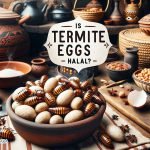
Termites are a traditional food source in many cultures, prized for their high protein content and nutritional benefits. In parts of Africa, Asia, and South America, termites are harvested and consumed as a significant dietary component. They are often collected by hand or using simple tools and can be eaten raw, roasted, or fried. Termites are known to contain essential amino acids, healthy fats, vitamins, and minerals, making them a valuable source of nutrition. Their consumption is sustainable and environmentally friendly, as termite harvesting has a minimal ecological footprint compared to conventional livestock farming. Additionally, termites are used in traditional medicine in some cultures, believed to have various health benefits. The practice of eating termites varies widely; in some regions, specific termite species are preferred due to their taste and nutritional profile. Despite their nutritional advantages, the acceptance of termites as food varies, with cultural and religious beliefs playing a crucial role in determining their consumption.
Conclusion
The question of whether termites are halal is multifaceted, involving religious, cultural, and health considerations. Islamic dietary laws do not explicitly address termites, leading scholars to interpret their permissibility through broader principles found in the Quran and Hadith. Some scholars deem termites halal, drawing parallels with the Prophet Muhammad’s approval of locust consumption. Others urge caution, focusing on cleanliness and health safety. The nutritional benefits and traditional use of termites as a food source add to the discussion, highlighting their potential value in a sustainable diet. Ultimately, Muslims are encouraged to consult their local scholars and consider their specific context when deciding on the consumption of termites. Understanding these diverse perspectives helps in making informed dietary choices aligned with Islamic teachings.